
Zelenskyy Accuses Trump of Betrayal After Starlink Cutoff and Diesel Deal
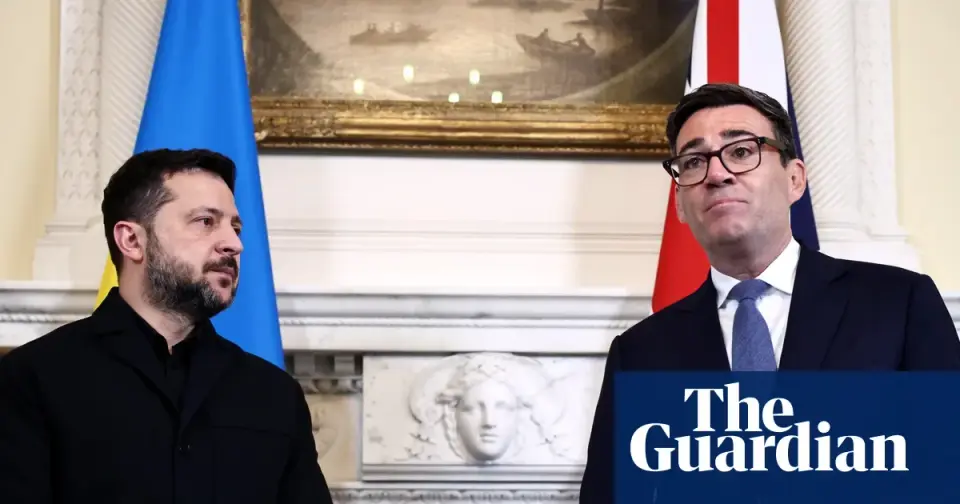
Ukrainian President Volodymyr Zelenskyy expressed feelings of personal betrayal by US President Donald Trump following a sudden restriction of Starlink satellite access and a controversial US-Russia diesel deal. The Starlink cutoff, which occurred overnight, disabled Ukrainian drone operations and air defenses, leading to significant casualties during Russian strikes. Zelenskyy criticized the US for siding with Moscow, while Trump maintained that intelligence sharing continues. European allies, including UK Prime Minister Andy Burnham, reaffirmed support for Kyiv, promising accelerated military aid and sanctions against Russia.
Key points
- Zelenskyy stated he felt 'betrayed' by Trump after Starlink access was restricted, disabling Ukrainian drones and air defenses.
- The Starlink cutoff occurred overnight, affecting speeds above 100mph, which crippled Ukrainian military operations and air defense systems.
- Trump announced a diesel deal with Russia to lower fuel prices, which Zelenskyy criticized as siding with Moscow.
- UK Prime Minister Andy Burnham met with Zelenskyy in London, promising accelerated delivery of British missiles and further sanctions against Russia.
- Trump denied cutting intelligence sharing, but Zelenskyy reported threats that such sharing could be limited if Ukraine continues strikes on Russian oil refineries.
Background
This development follows a series of escalating tensions between the US and Ukraine, including Trump's demand for a Ukrainian leadership change and a controversial 'energy ceasefire' that collapsed within hours of its announcement. Previous archive articles highlight the fragility of US-Ukraine relations, with Trump threatening to halt intelligence sharing and weapon purchases if Ukraine continues deep strikes on Russian infrastructure. The current crisis exacerbates these tensions, as Zelenskyy seeks European support to counter US pressure.
How outlets are covering it
The Guardian and USA Today emphasize Zelenskyy's emotional response to the Starlink cutoff and diesel deal, framing it as a betrayal by the US. CNN focuses on the broader implications of the US-Russia diesel deal and its impact on global energy prices. Politico highlights the Kremlin's rejection of Zelenskyy's 60-day ceasefire proposal, noting that Moscow is willing to halt strikes only on election day. The sources differ in their emphasis: The Guardian and USA Today focus on the personal and military impact on Ukraine, while CNN and Politico highlight the geopolitical and energy policy dimensions. All sources agree on the factual details of the Starlink cutoff and the diesel deal but differ in their interpretation of the US motives and the long-term implications for US-Ukraine relations.
Why it matters
The Starlink cutoff and diesel deal signal a potential shift in US support for Ukraine, raising concerns about the long-term sustainability of US aid. The crisis has prompted European allies to step up support for Kyiv, but the US-Russia deal and Trump's demands for a Ukrainian leadership change could undermine the alliance. The situation also highlights the fragility of the 'energy ceasefire' and the potential for further escalation in the conflict. The Starlink cutoff has immediate military consequences, as it disables Ukrainian drones and air defenses, leading to increased casualties and infrastructure damage. The diesel deal, meanwhile, could exacerbate global energy prices and strain US-Russia relations, with potential implications for the broader geopolitical landscape.
What to watch
Zelenskyy is expected to raise the Starlink and intelligence sharing issues in his meeting with UK Prime Minister Andy Burnham, seeking further support from European allies. The US-Russia diesel deal may face backlash from European leaders and US lawmakers, potentially leading to further sanctions against Russia. The 'energy ceasefire' remains in flux, with the Kremlin rejecting a 60-day truce and offering only a one-day pause on election day. The situation could escalate if the US continues to limit intelligence sharing or if Ukraine resumes deep strikes on Russian oil refineries. European allies are expected to accelerate military aid and sanctions against Russia, but the long-term impact on US-Ukraine relations remains uncertain.
- Volodymyr Zelenskyy feels ‘betrayed’ by Donald Trump over Starlink access The Guardian
- Zelensky says he feels betrayed by Trump after Russia fuel deal CNN
- Zelenskyy says he felt betrayed by Trump's diesel deal with Putin USA Today
- Ukraine's Zelenskiy says it is 'painful' when Trump chooses a different side Reuters
- Kremlin rebuffs Zelenskyy’s 60-day truce after Trump's energy ceasefire announcement Politico
Want the full story? Read the original reporting
Read on The Guardian