
Cornell President Condemns 2024 Fraternity Assault, Vows Transparency Amid Legal Scrutiny
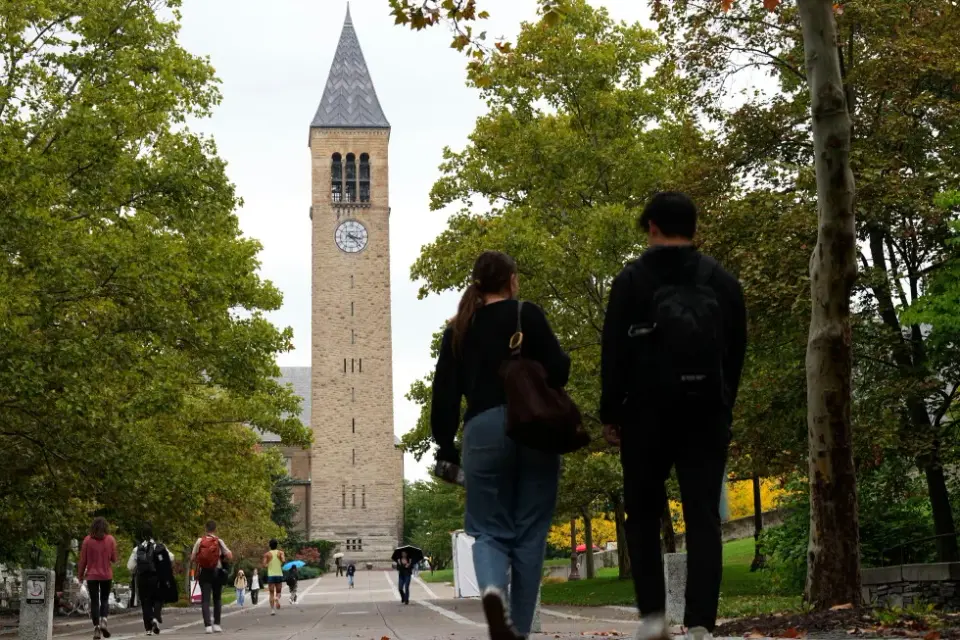
Cornell University President Michael Kotlikoff described the alleged 2024 gang rape of a student by Chi Phi fraternity members as 'deeply disturbing' and pledged greater transparency. The case has reignited debate over New York's 'voluntary intoxication' law, which hindered criminal prosecution. While the university defends its disciplinary actions, critics argue the legal loophole and initial lack of charges allowed accountability to be undermined.
Key points
- Cornell President Michael Kotlikoff called the alleged gang rape 'deeply disturbing' and committed to increased transparency and accountability on campus.
- Tompkins County District Attorney Matthew Van Houten cited New York's 'voluntary intoxication' law to justify declining criminal charges, noting the victim's initial statement described voluntary drug use.
- New York Governor Kathy Hochul has pledged to push for changes to the law, which critics call a 'voluntary intoxication loophole' that prevents prosecution in cases of voluntary intoxication.
- Kotlikoff stated that Cornell will examine the role of fraternities and sororities, emphasizing that group membership does not diminish individual responsibility for actions or failing to speak up.
- The university previously issued suspensions and expulsions, but the victim's lawsuit alleges these sanctions were insufficient compared to the severity of the alleged crime.
Background
This incident follows a civil lawsuit filed in late 2024 and renewed in 2026 by a former Cornell student alleging she was drugged and gang-raped by seven Chi Phi members in October 2024. Previous coverage noted that while Cornell imposed disciplinary sanctions, the Tompkins County District Attorney declined to pursue criminal charges due to insufficient evidence. In October 2026, New York Governor Kathy Hochul appointed Attorney General Letitia James as a special prosecutor to investigate the case, following student protests and political pressure from figures including Rep. Alexandria Ocasio-Cortez.
Why it matters
The case highlights the legal and ethical challenges of prosecuting sexual assault when victims voluntarily consume substances, a gap critics argue allows perpetrators to escape accountability. It also underscores the ongoing tension between elite universities and state authorities regarding the handling of campus sexual violence, with potential legislative changes in New York that could impact similar cases nationwide.
What to watch
New York State is expected to consider legislative changes to the 'voluntary intoxication' law, as pledged by Governor Hochul. Cornell University will conduct a review of the role of Greek life on campus, engaging students and alumni to strengthen accountability. The special prosecutor appointed by the governor will continue the investigation into the 2024 incident.
Want the full story? Read the original reporting
Read on AP News