
25 Years Later, US States Expand 9/11 Curriculum to Address a Generation Without Memory
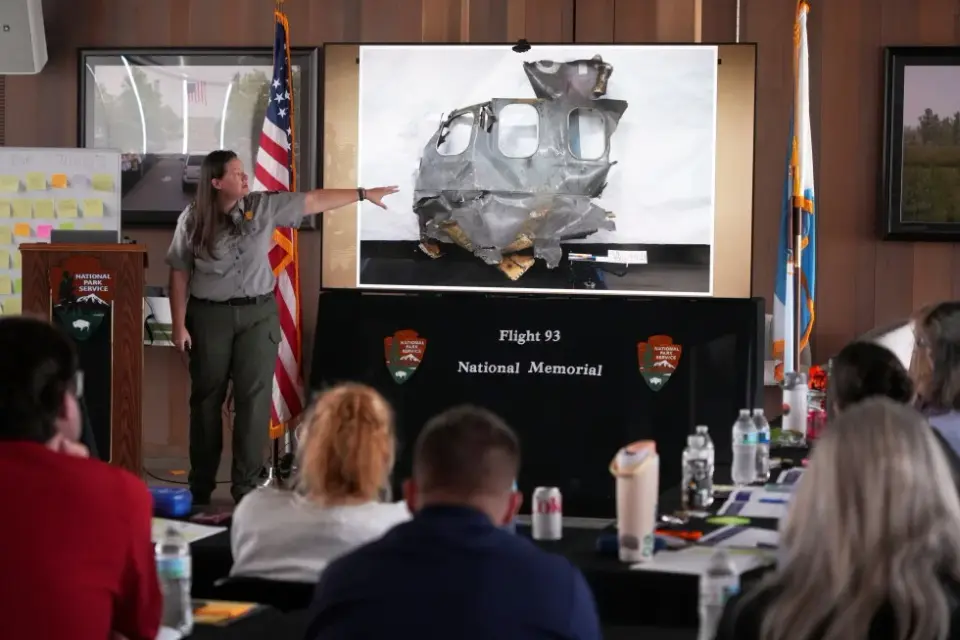
As the 25th anniversary of the September 11 attacks approaches, most US states are updating school curricula to ensure students understand the event, which is now distant history for many. While conservative-led states like Florida and Louisiana mandate specific instructional time, other states focus on broader themes like civil liberties and heroism. Educators are increasingly using personal stories, such as that of Welles Crowther, to make the tragedy relatable to students born after the attacks.
Key points
- AP News reports that most US states now prompt schools to teach about 9/11, with varying approaches based on political leanings.
- Florida law requires 45 minutes of instruction in certain middle and high school courses, while Louisiana's 'Freedom Framework' introduces the topic as early as second grade.
- Arizona initially required age-appropriate education in all public schools but later limited it to grades 7-12 to protect younger children.
- Pew Research Center data indicates that about 60% of young adults first learned about the attacks through school.
- The National Sept. 11 Memorial & Museum has raised over $25 million this year to support teacher training and student field trips.
- USAToday highlights the story of Welles Crowther, a 24-year-old who saved 18 people before dying, as a key teaching tool for resilience and heroism.
Background
This development follows a broader trend of states overhauling social studies curricula, often driven by conservative priorities, to include specific historical events like 9/11. Previous coverage in our archive does not directly address 9/11 education, but highlights ongoing debates in education policy and curriculum standards. The current focus reflects a shift from immediate trauma to historical analysis for a generation that did not experience the events firsthand.
How outlets are covering it
AP News emphasizes the legislative and policy differences across states, noting that even politically diverse states like California, Florida, New Jersey, and North Dakota share common themes in balancing national security and civil liberties. USAToday focuses on the pedagogical challenge of teaching a generation without memory, highlighting the use of personal heroism stories like Welles Crowther's to make the event tangible. TribLIVE did not provide substantive content on the topic, as its source was a privacy notice page.
Why it matters
As 9/11 becomes a historical event rather than a lived experience for many students, ensuring accurate and comprehensive education is crucial for understanding its long-term impact on US policy, civil liberties, and national identity. The varying approaches across states reflect broader political and educational debates about how to teach sensitive historical events.
What to watch
States may continue to refine their curricula, potentially expanding or narrowing the scope of 9/11 instruction. The success of programs like the Red Bandanna Project and increased funding for teacher training could influence how other states approach the topic. Congressional efforts, such as Rep. Andrew Garbarino's resolution, may also push for more standardized national guidance.
- Most states prompt schools to teach about 9/11, but the details differ, AP finds AP News
- The 9/11 story America's teachers keep telling usatoday.com
- 25 years later, 2 teachers remember 9/11 from opposite sides of same classroom 10TV
- Generational divide: Educators, students face challenge of connecting with 9/11 a quarter-century after attacks TribLIVE.com
- US Sept 11-Education wvnews.com
Want the full story? Read the original reporting
Read on AP News