
Nikole Hannah-Jones Admits Regret Over Daughter’s Brooklyn School Choice
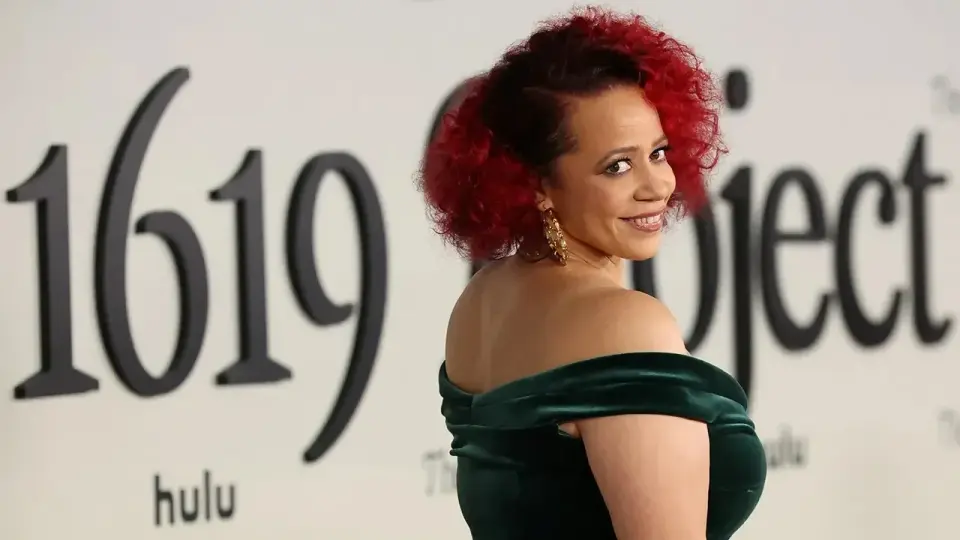
Nikole Hannah-Jones, creator of the 1619 Project, published an essay in The New York Times Magazine admitting she regrets enrolling her daughter, Najya, in underperforming Brooklyn public schools. While Hannah-Jones initially chose these schools to challenge segregation, her daughter has since expressed feeling 'cheated' and academically neglected. The admission has sparked debate over whether parents should prioritize individual educational outcomes or collective social equity.
Key points
- Hannah-Jones enrolled her daughter in P.S. 307 and Urban Assembly Unison starting in 2015 to support struggling communities.
- Najya, now 16, told her mother she never received the education she wanted and felt her needs were secondary to broader social goals.
- Hannah-Jones acknowledged that her daughter lacked basic skills, such as math proficiency, due to ungraded work and inexperienced teachers.
- The essay contrasts with her 2016 stance, where she defended the choice as a moral obligation to fight inequality.
- Critics argue the decision prioritized ideology over the child’s well-being, while supporters view it as a principled stand.
Background
This story follows a 2016 essay by Hannah-Jones explaining her decision to enroll Najya in segregated Brooklyn schools. At that time, she argued that middle-class families could help improve these institutions by enrolling their children. The 1619 Project, which Hannah-Jones co-created, has faced significant criticism from historians regarding its historical accuracy, though it remains a prominent cultural initiative.
How outlets are covering it
Fox News and the New York Post emphasize the personal failure of the decision, highlighting Najya’s anger and the gap between her academic needs and the schools' capabilities. Fox News quotes Corey DeAngelis, who argues that parents should not sacrifice children to failing systems for ideological reasons. In contrast, Kottke.org and commenters there offer a more nuanced view, acknowledging the systemic challenges faced by high-poverty schools and the difficulty of balancing individual success with community support. Some commentators on Kottke.org argue that Hannah-Jones’s diagnosis of the schools' problems was flawed, but her intent was not contemptible.
Why it matters
The story highlights the tension between individual educational advancement and collective social responsibility. It raises questions about the effectiveness of school choice policies and the impact of ideological decisions on children’s academic outcomes. The debate also reflects broader discussions on equity in education and the role of privilege in shaping educational opportunities.
What to watch
Hannah-Jones may continue to advocate for education reform, potentially shifting her focus toward policies that allow funding to follow students to better schools. The conversation may also influence public discourse on school choice and the responsibilities of parents in addressing educational inequality.
- 1619 Project founder regrets school choice for her daughter, admits putting ideals ahead of her education Fox News
- In Fighting for Every Black Child, Did I Betray My Own? The New York Times
- NYT writer Nikole Hannah-Jones sent daughter to troubled schools as a 'sacrifice' — and it backfired New York Post
- Reality Bites The New York Times
- Amazing piece by Nikole Hannah-Jones about the betrayal her ... Kottke.org
Want the full story? Read the original reporting
Read on Fox News