
Harvard Graduate Strike Disrupts Exams and Raises Pay Controversy
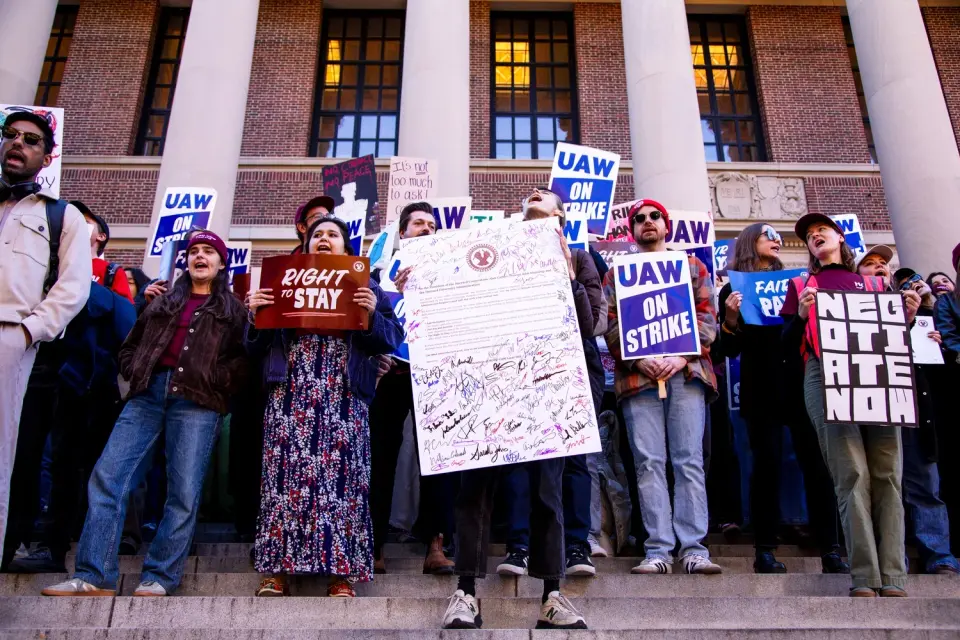
The Harvard Graduate Students Union-United Auto Workers (HGSU-UAW) is in its second strike of 2026, demanding higher pay and better protections. The dispute has caused significant campus disruptions, including a midterm exam described as a 'sonic assault' by a professor. Controversy has also emerged over whether striking workers are reporting unpaid hours, with some union members allegedly continuing to collect salaries while not working.
Key points
- The HGSU-UAW began a second strike on October 27, 2026, after previous negotiations failed to yield a contract.
- Union demands include higher pay, an independent grievance process for harassment complaints, and stronger protections for noncitizen members.
- Harvard University has labeled the strike 'unwarranted,' citing a tentative agreement that includes a 16% compounded pay increase and $1 million in additional financial support.
- A midterm exam for a history of science class was disrupted by noise-making picketers, an incident described by Professor David S. Jones as a 'sonic assault' that harmed undergraduate students.
- A former teaching fellow criticized the strike's integrity, alleging that some union members are not reporting unpaid hours to the university, thereby continuing to collect salaries while striking.
Background
This is the second walkout by the HGSU-UAW in 2026. The union previously struck for 40 days starting in April 2026 before returning to the bargaining table without a signed agreement. The current dispute follows stalled negotiations over contract terms, including compensation and benefits for graduate research assistants and teaching fellows.
How outlets are covering it
The Harvard Crimson features an opinion piece by C.J. Passarella, a former teaching fellow, who argues that the strike is 'unserious' because some members are allegedly not reporting unpaid hours, thus continuing to collect pay. Passarella contends that forfeiting pay is essential to a strike's credibility. Conversely, Harvard Magazine and Hindustan Times report on the tangible disruptions caused by the strike, highlighting the 'sonic assault' on a midterm exam and the frustration of faculty and students. Harvard Magazine notes that union leaders dispute the university's claim that the strike is an unprotected 'intermittent strike.' The university maintains that its offer addresses key demands, while the union insists on further concessions regarding harassment procedures and noncitizen protections.
Why it matters
The strike highlights deepening tensions between Harvard and its graduate workforce, with potential implications for other campus unions, including the Harvard Academic Workers-UAW, which is also poised to strike. The dispute over pay reporting and the impact on academic operations underscore the challenges of balancing labor rights with educational continuity.
What to watch
A bargaining session between the HGSU-UAW and the University was scheduled for November 6, 2026. The Harvard Academic Workers-UAW has a deadline of November 10, 2026, to decide whether to join the strike. The outcome of these negotiations will determine whether the strikes continue or if a new contract is reached.
- A Paid Strike Is Unserious The Harvard Crimson
- Harvard Academic Workers Will Strike Tuesday After Final Bargaining Session Ends Without a Deal The Harvard Crimson
- ‘We’re not asking for the moon’: Harvard strike grows as academic workers walk out The Boston Globe
- Cancellations, Disruptions as Harvard Graduate Student Strike Enters Second Week Harvard Magazine
- Harvard exam disrupted by striking graduate students, professor calls it ‘sonic assault’ Hindustan Times
Want the full story? Read the original reporting
Read on The Harvard Crimson