
Omaha Public Schools Ban Shock Gloves in Schools After Public Outcry
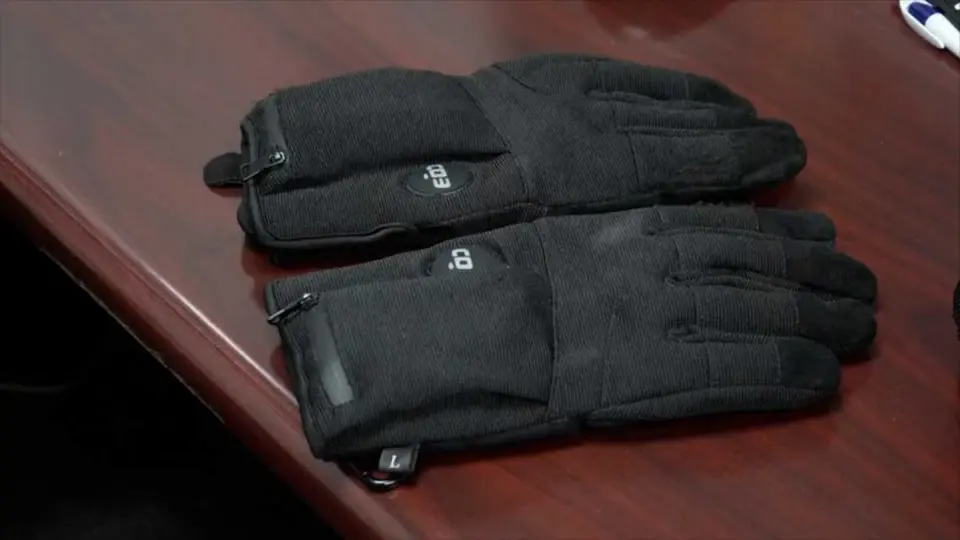
Omaha Public Schools (OPS) has requested that School Resource Officers (SROs) immediately stop carrying electric shock gloves, known as G.L.O.V.E., on school grounds. This decision follows intense public backlash at a recent board meeting, where parents and students criticized the use of the devices. OPS described the gloves as 'counterproductive' to the district's relationship with the Omaha Police Department (OPD). While OPD agreed to remove the gloves from OPS schools, they confirmed that officers will retain other standard equipment, including tasers and firearms. The controversy highlights a broader national debate over the use of non-lethal force in educational settings, particularly after the Department of Homeland Security announced plans to equip ICE agents with similar technology.
Key points
- OPS requested the immediate removal of shock gloves from SROs in its schools, citing concerns about student safety and well-being.
- The Omaha Police Department agreed to the request but maintained that SROs would still carry tasers, OC spray, batons, and firearms.
- The gloves, manufactured by Compliant Technologies, were used twice in the 2025-2026 school year: once on a trespassing student at Omaha South High School and once at a specialized program for students with behavioral deficits.
- Parents and students at the OPS board meeting expressed anger, noting they were not informed about the gloves' deployment until local media reported on them.
- The controversy is part of a larger national discussion, as ICE has planned to spend up to $20 million on similar shock gloves for its agents.
- Other Nebraska districts, including Elkhorn, Millard, and Westside, also have SROs trained in the use of shock gloves, though some have stated the devices have not been used in their schools.
Background
The issue of shock gloves in schools gained national attention in August 2026 when the Department of Homeland Security announced plans to purchase up to $20 million worth of G.L.O.V.E. devices for ICE agents. This move sparked a broader debate about the use of non-lethal force in public spaces, particularly schools. Prior to this, the Omaha Police Department had quietly trained 29 of its 34 SROs to use the gloves, which were purchased for just under $66,000 in 2025. The technology, which delivers electrical pulses directly to the skin, has been criticized by human rights groups for potential misuse and lack of transparency.
How outlets are covering it
The Omaha Public Schools and its board members, including Gini Magnuson, strongly opposed the use of shock gloves, viewing them as inappropriate for children and a breach of trust. Magnuson described the schools as a 'test bed' for new law enforcement technology. In contrast, the Omaha Police Department and Mayor John Ewing Jr. defended the gloves as a 'less impactful' and 'safer' alternative to tasers, emphasizing their role in maintaining school safety. Ewing noted that the gloves had been used only twice and that the department was willing to opt out at OPS's request. Community advocates and students, such as Nick Koehler and Lux Tipton, expressed deep concern over the potential for abuse, particularly for students with disabilities, and criticized the lack of prior notification from the district. The ACLU of Nebraska also condemned the devices as inappropriate for use on children.
Why it matters
This incident underscores the growing tension between law enforcement and educational institutions over the use of force in schools. It highlights the need for transparency and community engagement when introducing new technologies in public spaces. The decision by OPS to ban the gloves may set a precedent for other districts, especially as the national debate over ICE's use of similar technology intensifies. The controversy also raises important questions about the balance between safety and the rights of students, particularly those with disabilities, and the role of local governments in making decisions that affect their communities.
What to watch
The Omaha Police Department will continue to use shock gloves in other districts, including Elkhorn, Millard, and Westside, where they have confirmed the devices have not been used. The Omaha City Council is expected to address the issue in a meeting, and the national debate over ICE's use of shock gloves will likely continue. OPS may face further scrutiny over its decision, and other districts may consider similar bans. The long-term impact on the relationship between schools and law enforcement remains to be seen, but the incident has already sparked a broader conversation about the use of force in educational settings.
- Omaha Public Schools requests SROs no longer be authorized to carry shock gloves on school grounds KETV
- Public anger over shock gloves in Omaha schools WOWT
- Omaha police, mayor detail two uses of electric shock gloves by school resource officers nebraskapublicmedia.org
- Cops Love ICE’s New Shock Gloves. Parents Want Them Out of Schools. Mother Jones
- OPS asks police to stop carrying shock gloves in schools after board meeting concerns Omaha World-Herald
Want the full story? Read the original reporting
Read on KETV