
US Schools Deploy Nonlethal Drones to Counter Active Shooters
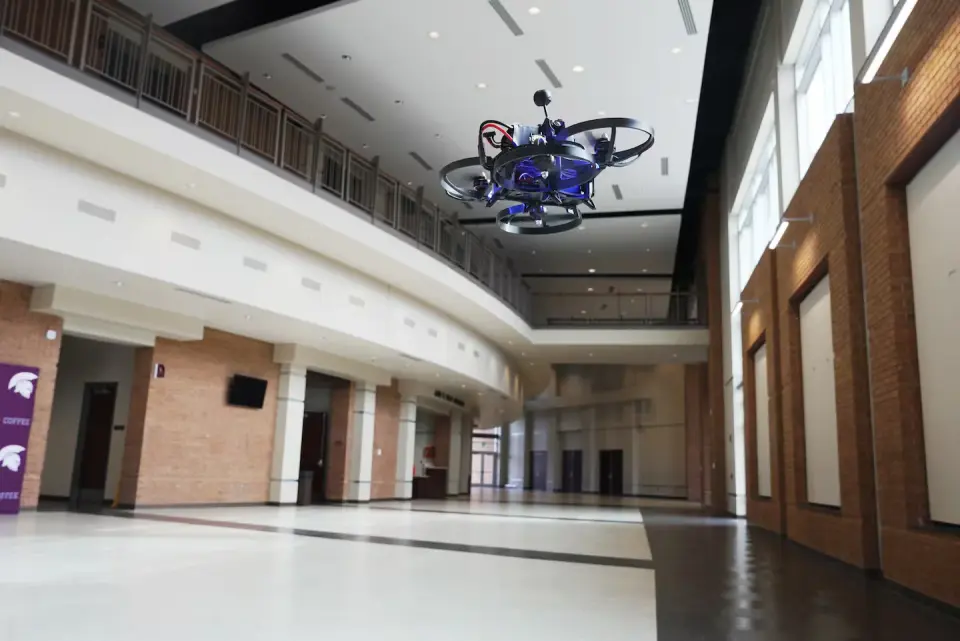
Mithril Defense is rolling out the Campus Guardian Angel drone system in nine schools across Florida, Georgia, and Colorado. These nonlethal aircraft, activated by teachers, can reach an active shooter within 15 seconds to deploy pepper spray, strobe lights, and sirens. While proponents argue the technology saves lives during critical early minutes of an attack, critics question its safety and unproven effectiveness in real-world scenarios.
Key points
- Nine schools in Florida, Georgia, and Colorado are participating in the pilot program for the Campus Guardian Angel drone system.
- The drones are designed to reach a shooter within 15 seconds, using nonlethal methods like pepper spray and loud noises to incapacitate the threat.
- Florida has allocated over $1.1 million to the program over two years, with the latest budget approving an additional $564,500.
- Critics, including school safety experts, express concerns about the drones potentially targeting students or law enforcement and note the lack of real-world testing.
- The initiative was inspired by the 2022 Robb Elementary School shooting, with the goal of intervening within the first 120 seconds of an attack.
Background
This development follows a series of high-profile school shootings in the US, including the 2024 Apalachee High School shooting in Georgia, which led to the guilty plea of 16-year-old Colt Gray. The increased focus on school safety technology reflects ongoing concerns about gun violence in educational settings, with over 398,000 students having experienced gun violence on campuses since the 1999 Columbine High School shooting.
How outlets are covering it
The Washington Post and The Independent highlight the rapid deployment of the drones and their nonlethal capabilities, emphasizing the potential to save lives during the critical first 120 seconds of an active shooter incident. News4JAX provides detailed funding information, noting Florida's total investment of over $1.1 million and the specific counties involved in the pilot. Critics, such as Curtis Lavarello of the School Safety Advocacy Council, raise concerns about the drones potentially targeting fleeing students or law enforcement, describing the technology as a collision of gaming and school safety. Mithril Defense's CEO, Justin Marston, defends the program by stating that the drones are operated by elite pilots and trained for real-world scenarios, aiming to incapacitate shooters within 60 seconds.
Why it matters
The deployment of these drones represents a significant shift in school safety strategies, moving from traditional security measures to advanced, rapid-response technology. This could set a precedent for other states and countries to adopt similar systems, potentially changing how active shooter incidents are handled in schools. However, the unproven effectiveness and safety concerns of these drones in real-world scenarios raise important questions about their long-term impact and public acceptance.
What to watch
The next steps will likely involve the expansion of the pilot program to additional schools and districts, particularly in Florida, depending on the outcome of the independent study being conducted with the University of Florida. There will also be ongoing debates and discussions about the safety and effectiveness of these drones, which could influence future policy decisions and public opinion on the use of such technology in schools.
- Schools are adding pepper-spraying drones to help combat active shooters The Washington Post
- Florida approves $564K for school‑safety drone program; state spending tops $1M News4JAX
- Schools to tackle active shooters with pepper-spraying drones that can ram attackers The Independent
- Atlanta Public Schools PD tactical field officer team 'ready and able and capable' for emergency response 11Alive.com
- Pepper spraying drones to be used against active school shooters in bid to prevent massacres Yahoo
Want the full story? Read the original reporting
Read on The Washington Post