
Record 12,000 US Book Bans Driven by AI and State Laws
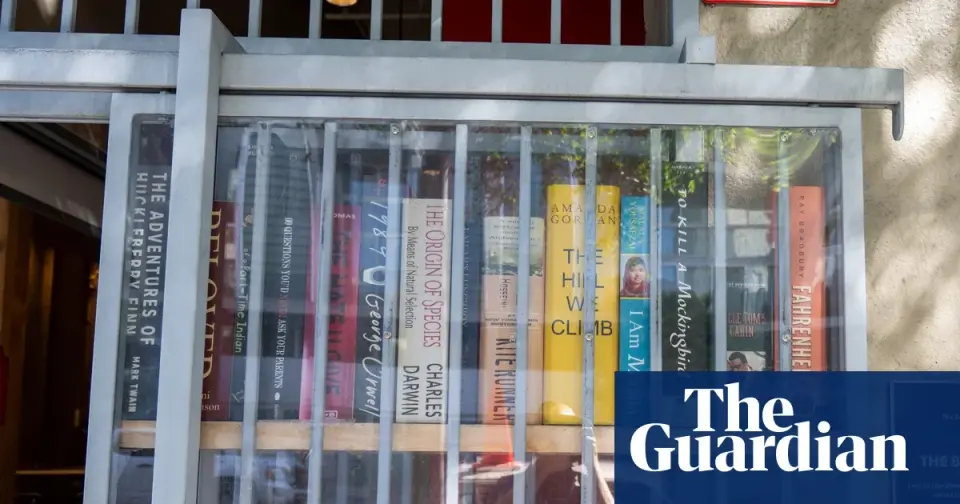
PEN America reports nearly 12,000 book bans in US public schools for 2025-2026, a record high. Texas and Florida led the surge, driven by new state laws and AI tools that flag titles for removal. Over 7,000 unique titles were affected, with fiction and manga heavily targeted.
Key points
- PEN America recorded 11,982 book bans in the 2025-2026 school year, the highest annual total since tracking began in 2021.
- Texas accounted for over 8,100 bans, largely due to the implementation of state law SB13, which restricts content deemed 'indecent' or 'profane.'
- Florida, previously the top state for bans, saw a significant increase after political appointees pressured districts, leading to widespread removals of specific titles.
- School districts increasingly use artificial intelligence to review library collections, often removing books based on lists from other districts rather than legal standards.
- Over 7,300 unique titles were banned, impacting more than 4,000 authors, with fiction and manga comprising the majority of removed works.
Background
Book bans in US schools have risen steadily since 2021, with Florida and Texas becoming focal points for censorship efforts. Previous years saw Florida rank first in bans, but Texas overtook it in 2025-2026 due to new legislation. The trend reflects a broader conservative push to restrict content related to race, gender, and sexuality in educational settings.
How outlets are covering it
The Guardian and PEN America emphasize the role of state laws and AI in driving the record number of bans, highlighting Texas's SB13 as a primary catalyst. USA Today notes that the numbers are likely an undercount due to lack of transparency from school districts and emphasizes the federal government's dismissal of book bans as a civil rights issue. PEN America's report details how AI tools exacerbate censorship by recommending removals based on other districts' actions rather than content analysis, a trend not explicitly detailed in the other sources.
Why it matters
The surge in book bans restricts student access to diverse literature and ideas, potentially limiting educational opportunities and critical thinking. The use of AI to enforce bans raises concerns about automated censorship and the erosion of academic freedom in public schools.
What to watch
PEN America and other advocacy groups will continue to monitor and challenge book bans through public records requests and legal action. School districts may face increased scrutiny over their use of AI for content review, and federal legislation could further impact funding for schools that maintain diverse library collections.
- US book bans in public schools reach record annual high of 12,000 The Guardian
- Schools banned record number of books in 2025-2026, report says USA Today
- PEN America: Nearly 12,000 school book bans in a year, a record high AP News
- A Spotlight on School Book Bans PEN America
- How Banned Books Week Turned Liberals Into Conservatives Newsweek
Want the full story? Read the original reporting
Read on The Guardian