
Six-Figure Sticker Shock: 15 US Colleges Now Cost Over $100,000 Annually
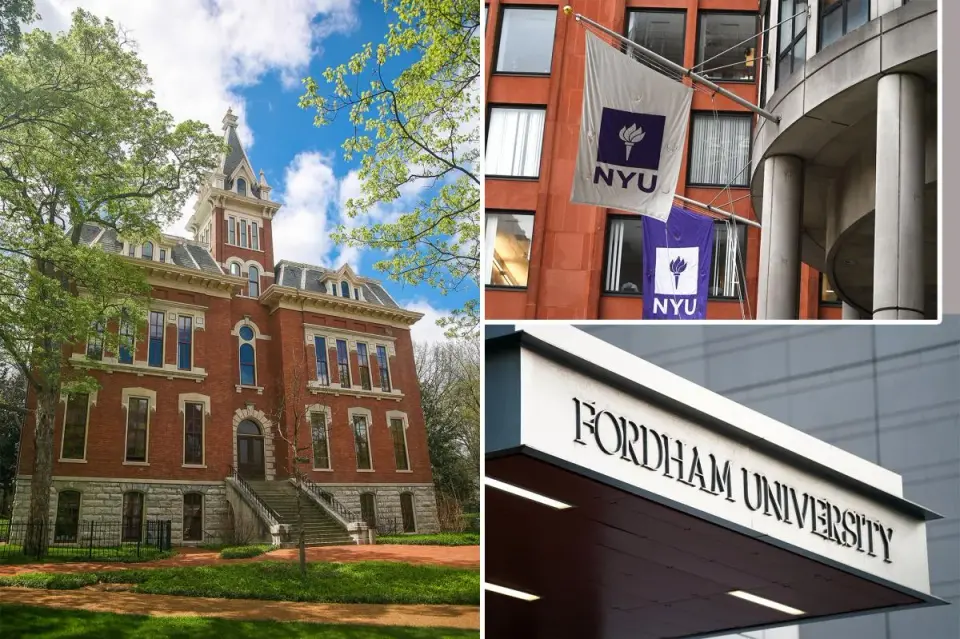
Fifteen US colleges now charge over $100,000 annually for total cost of attendance, up from just two a year ago. While sticker prices have surged, experts note that need-based financial aid significantly reduces the net cost for many students, though only about half of top-tier students qualify for such aid.
Key points
- The number of US colleges charging over $100,000 annually for total cost of attendance (tuition, housing, books, fees) jumped to 15 this year, up from two the previous year, according to the Princeton Review.
- Harvey Mudd College is the most expensive at $104,512, followed by Duke University ($103,975) and the University of Chicago ($103,821).
- Nine additional colleges are close to breaking the six-figure mark, including Ivy League schools Brown, Columbia, and Cornell.
- A Wall Street Journal analysis found that none of the 15 most expensive schools ranked highly for return on investment; for example, Duke ranked 166th and NYU ranked 321st for value.
- Need-based financial aid can drastically reduce costs; for instance, Washington University’s average aid of $75,880 cuts its $102,260 sticker price to about $29,195.
- However, only about half of students at top schools qualify for need-based aid, meaning many still face the full six-figure bill.
Background
In September 2026, the New York Post and Washington Post reported on the surge in six-figure college costs, highlighting the disconnect between sticker prices and actual net costs after aid. This follows earlier coverage in July 2026 that noted the same jump from two to 15 schools crossing the $100,000 threshold. The broader context includes rising operating costs and inflation, which experts say are driving sticker prices higher, even as average tuitions at many other US schools have slightly decreased over the past decade.
How outlets are covering it
The New York Post and Washington Post both emphasize the dramatic increase in the number of six-figure colleges and the poor return on investment for many of these institutions, citing Wall Street Journal rankings. The Post highlights the gap between sticker prices and net costs after aid, while the Washington Post focuses on how families can afford these costs through aid and scholarships. U.S. News & World Report, citing a Sallie Mae report, provides a broader perspective on family spending, noting that average college spending rose 10% to $34,019, with parent savings and scholarships being the most common funding sources. All sources agree that sticker prices are not the full story, but they differ in emphasis: the Post and Washington Post focus on the elite schools and aid, while U.S. News focuses on the average family’s financial strategy.
Why it matters
The surge in six-figure college costs raises concerns about affordability and return on investment for students and families. While financial aid can mitigate costs for some, the fact that only half of top-tier students qualify for need-based aid means many families still face significant financial burdens. This trend may influence college choice, student debt levels, and broader discussions about the value of higher education in the US.
What to watch
Experts expect sticker prices to continue rising as operating costs and inflation increase. However, the actual net cost for many students may remain manageable due to financial aid. Families are likely to continue relying on parent savings, scholarships, and borrowing to finance college, as indicated by the Sallie Mae report. The debate over the value of high-cost colleges may intensify as return-on-investment rankings show that many expensive schools do not offer the best financial outcomes for graduates.
- 15 colleges now cost $100k+ per year — and almost none of them are worth it New York Post
- As more colleges surpass $100,000 price tag, here’s the true cost The Washington Post
- Insider Information: College Spending Is Up 10% U.S. News & World Report
- The college costs that don't show up on the tuition bill Detroit Free Press
Want the full story? Read the original reporting
Read on New York Post