
U.S. International Student Enrollment Plunges 15% as Visa Uncertainty Hits College Finances
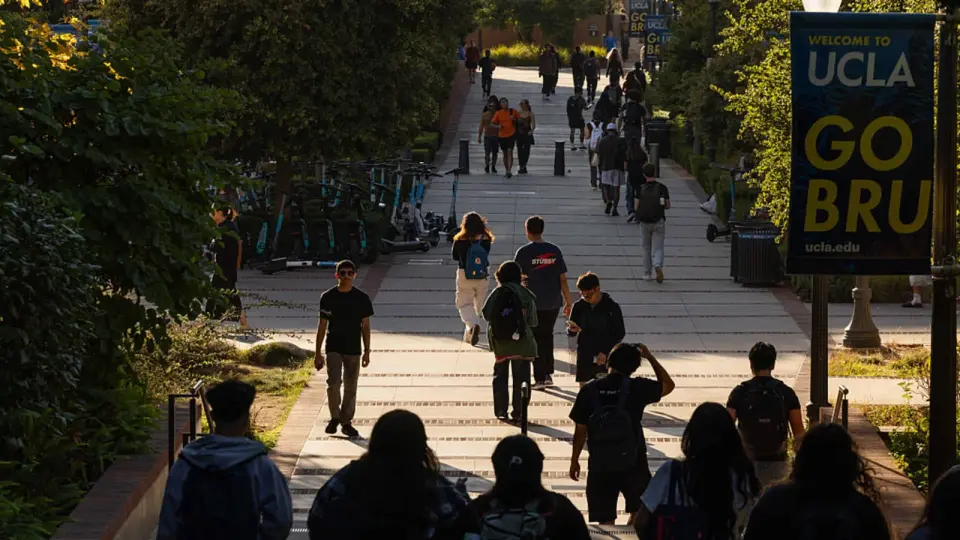
New international student enrollment in the U.S. dropped 15% this fall, marking a second consecutive year of steep declines. The Institute of International Education attributes the drop to visa policy uncertainty, rising costs, and stricter vetting. While the U.S. remains the top global destination, the decline threatens college revenue and costs the economy an estimated $2.4 billion.
Key points
- New international student enrollment fell 15% in fall 2026, following an 18% drop in the previous year, according to the Institute of International Education (IIE).
- Overall international enrollment, including existing students, declined 9% this fall, extending a three-year downward trend.
- The decline is driven by uncertainty over F-1 and J-1 visa rules, including a proposed four-year limit on visas, and rising tuition costs relative to other countries.
- Colleges with large graduate and STEM programs face the highest financial risk, as international students often pay full tuition and contribute significantly to research funding.
- The enrollment drop is estimated to cost the U.S. economy $2.4 billion, with international students having contributed nearly $40 billion in the 2025-26 academic year.
Background
This is the third consecutive year of declining international enrollment in the U.S. Previous reports indicated that visa restrictions, proposed fees for post-graduation work programs, and broader immigration enforcement were key drivers. California recently lost its top spot for international students to New York, with its population dropping 5.8%, more than double the national rate.
How outlets are covering it
The New York Times emphasizes the role of the Trump administration's policies in scaring away students, noting a 10% drop at Michigan State University. Politico highlights the political dimension, linking the visa crackdown to the appointment of Stephen Miller as chief of staff and framing the policy as a way to hit academic institutions' bank accounts. The Washington Post focuses on the raw data, reporting an 18% drop in new students for the 2025-26 academic year, which aligns with the IIE's long-term data but differs from the 15% fall snapshot. CNBC and Fitch Ratings stress the financial repercussions, warning that lost revenue is hard to replace quickly, particularly for STEM-heavy institutions. NAFSA criticizes the barriers as harmful to U.S. competitiveness, while college presidents like Michael Roth of Wesleyan University argue that the policies are counterproductive to national interests.
Why it matters
The decline in international enrollment threatens the financial stability of U.S. colleges, which rely on full-tuition payments from foreign students to fund research and domestic financial aid. The economic impact extends beyond campuses, with an estimated $2.4 billion loss in spending and contributions to innovation. As other countries compete for talent, the U.S. risks losing its edge in global education and research leadership.
What to watch
Colleges are expected to intensify recruitment efforts, particularly in STEM fields, where 91% of institutions now prioritize international recruitment. The financial impact may lead to reduced research funding and scholarships for domestic students. The outcome of the federal court injunction on DHS visa rules will determine if the uncertainty persists, potentially influencing future enrollment trends.
- International student enrollment drops sharply, putting more U.S. colleges in financial jeopardy CNBC
- International Student Enrollment in U.S. Colleges Plunges Again The New York Times
- US colleges struggle as international students turn away Politico
- Number of new international college students in the U.S. drops 18 percent The Washington Post
- US Colleges See Further Declines in International Student Enrollment Bloomberg.com
Want the full story? Read the original reporting
Read on CNBC