
US School Book Bans Hit Record 12,000 as AI and State Laws Drive Removals
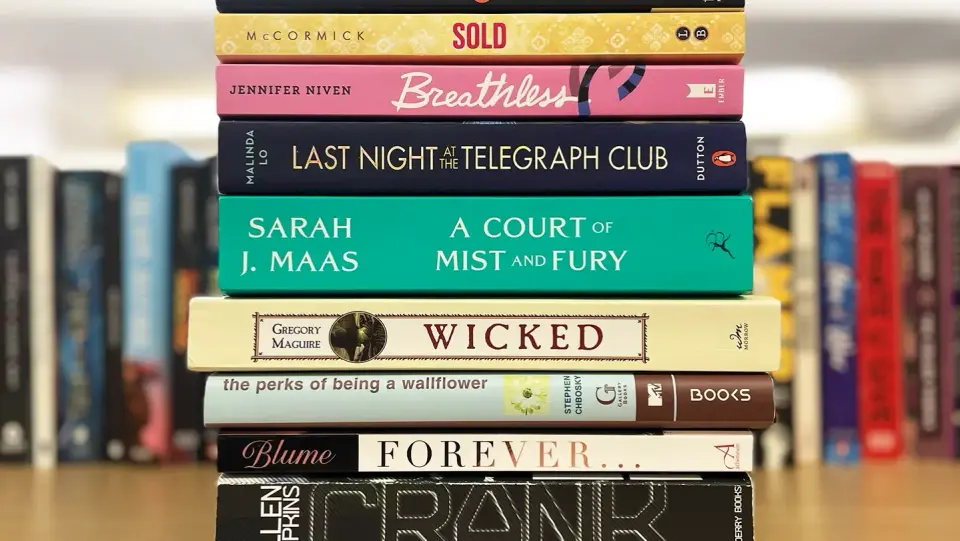
PEN America reports nearly 12,000 book bans in US public schools for the 2025-2026 year, the highest since tracking began in 2021. Texas and Florida led the surge, driven by new state laws and AI tools that flag titles for removal. Over 7,300 unique titles were affected, with fiction and manga heavily targeted.
Key points
- PEN America recorded 11,982 book bans in the 2025-2026 school year, affecting 7,370 unique titles, with over 4,500 added to the index for the first time.
- Texas recorded 8,193 bans, surpassing Florida's 3,212 for the first time in three years, largely due to new state law SB13 restricting 'indecent' content.
- School districts increasingly use artificial intelligence to review library collections, sometimes recommending removals based on other districts' actions rather than specific legal violations.
- Stephen King was the most banned author with 312 instances, while Patricia McCormick's novel 'Sold' was the most banned individual title with 25 removals.
- Bans disproportionately targeted books dealing with race, gender, sexuality, and LGBTQ+ issues, with fiction comprising over 90% of banned young adult titles.
Background
This record high follows a multiyear trend of increasing book challenges in US schools. In the 2024-2025 school year, nonfiction books were censored at more than double the previous rate. The current surge coincides with federal developments, including the US Department of Education's dismissal of book ban complaints as a 'hoax' and legislative efforts to restrict federal funding for 'sexually oriented material.'
How outlets are covering it
While all sources agree on the record number of bans, they emphasize different drivers. USA TODAY and NBC News highlight the role of AI tools and state laws in Texas and Florida. The Guardian focuses on the impact on reading for pleasure and the specific case of 'Sold' by Patricia McCormick. Axios notes the shift in leadership from Florida to Texas and the potential for AI to recommend removals based on peer district actions rather than legal necessity. PEN America's director Kasey Meehan describes the situation as a 'crisis point,' while critics argue the bans disproportionately impact minority groups and reduce student engagement.
Why it matters
The record number of book bans signals a significant shift in educational censorship, potentially limiting students' access to diverse perspectives and literature. The reliance on AI for content review raises concerns about automated decision-making in education, while state laws create a chilling effect on library collections. This trend may further disengage students from reading and exacerbate existing literacy gaps, particularly in states like Florida where reading scores are already among the lowest in the nation.
What to watch
The US House may vote on Rep. Mary Miller's bill to block federal funding for 'sexually oriented material' for children. Florida Education Commissioner Henry Mack has issued a 90-day implementation plan for library materials compliance. PEN America and other advocacy groups will continue to monitor and challenge bans, while progressive candidates may face conservative opponents in upcoming school board elections.
- Schools banned record number of books in 2025-2026, report says USA Today
- US book bans in public schools reach record annual high of 12,000 The Guardian
- Florida ranks second behind Texas for school library book removals Axios
- Schools banned a record 12,000 books in a year, according to annual report NBC News
- A Spotlight on School Book Bans PEN America
Want the full story? Read the original reporting
Read on USA Today