
Federal Court Halts Army’s Plan to Detonate Unstable Lead Azide in Iowa Amid Public Outcry
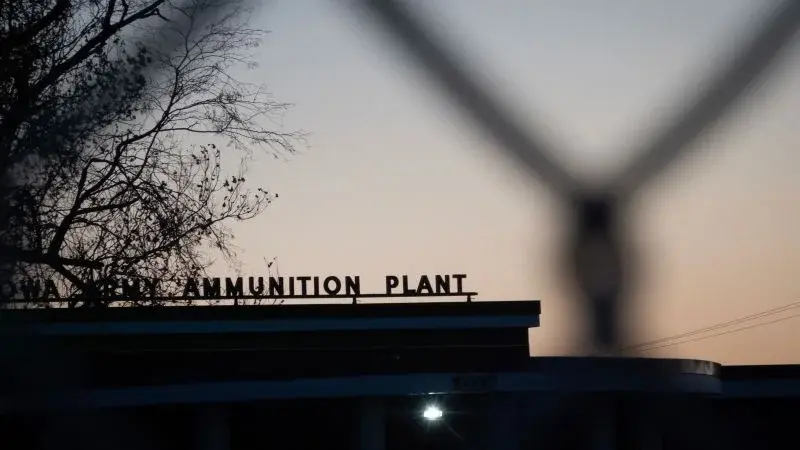
A federal appeals court has temporarily suspended the U.S. Army’s plan to detonate nearly five tons of unstable lead azide at the Iowa Army Ammunition Plant in Middletown. The blast, originally scheduled for Friday and postponed to Monday, was halted after environmental groups sued the EPA over its emergency permit. While the Army argues the material is too volatile to transport and must be destroyed before freezing temperatures worsen its instability, critics and local officials warn that the explosion could spread toxic lead dust across rural Iowa and into Illinois, posing severe health risks to children and residents. The Justice Department opposes the stay, citing imminent safety hazards, while the Army and EPA insist that mitigation measures will minimize public risk.
Key points
- The Eighth Circuit Court of Appeals granted an administrative stay on the EPA’s emergency permit, pausing the detonation while it reviews an emergency motion from the Iowa Environmental Council and Sierra Club Iowa Chapter.
- The Army plans to destroy 68 drums of lead azide, a primary explosive used in munitions, which has degraded and become extremely sensitive to friction or shock, making transport unsafe.
- The detonation was postponed from Friday to Monday due to public concern and pressure from Iowa and Illinois officials, but the court’s stay now halts the operation entirely pending further review.
- Environmental groups argue the EPA failed to adequately assess the health and environmental impacts, including the potential for lead dust to settle on farmland, waterways, and homes up to 100 miles away.
- The Army and EPA state that controlled detonation is the safest option, with mitigation measures including water misters, sand barriers, and resident evacuations to minimize exposure.
Background
The Iowa Army Ammunition Plant, built in 1941, has been under scrutiny for years due to environmental concerns. In March 2026, the Army discovered that lead azide stored in bunkers had begun recrystallizing, increasing its sensitivity to accidental detonation. Prior to the current crisis, the plant had faced criticism for inadequate public communication and delayed risk assessments. The current dispute is part of a broader pattern of tensions between federal agencies and local communities over the disposal of hazardous materials, with previous incidents highlighting gaps in transparency and environmental safeguards.
How outlets are covering it
The Army and EPA maintain that the controlled detonation is the only responsible option, as the lead azide is too unstable to transport and poses an imminent risk of spontaneous explosion. They emphasize that mitigation measures, including water saturation and barriers, will keep lead levels below EPA thresholds. In contrast, environmental groups and local officials, including Iowa Gov.-elect Rob Sand and Sen.-elect Josh Turek, argue that the federal government failed to provide timely and transparent communication, leaving residents unprepared. Critics, such as the Iowa Environmental Council, contend that the EPA’s permit did not adequately evaluate alternatives or the long-term health impacts of lead contamination, particularly for children. The Justice Department opposes the court’s stay, citing the material’s instability, while the Army asserts that waiting longer would increase risks due to forecasted temperature drops.
Why it matters
The case highlights the tension between federal safety protocols and local community concerns over hazardous material disposal. The potential spread of toxic lead dust across Iowa and Illinois could have long-term health and environmental consequences, particularly for children and agricultural communities. The legal battle also raises questions about the adequacy of emergency permits and the transparency of federal decision-making in high-risk operations. If the detonation proceeds, it could set a precedent for how unstable explosives are handled in the future, with implications for public trust and environmental regulation.
What to watch
The Eighth Circuit Court of Appeals will review the emergency motion from environmental groups, with the Justice Department planning to file a response by Sunday. The Army and EPA will continue to monitor the situation and engage with local officials, but the detonation remains paused. If the court upholds the stay, the Army may need to seek alternative disposal methods or wait for further legal rulings. Residents in affected areas are advised to stay informed through local government updates and to take precautions against potential lead exposure if the detonation eventually proceeds.
- Fears about toxic lead dust spur battle over US Army plan to detonate bomb-making material in Iowa CNN
- Trump Administration Says Army Can Blow Up Lead-Laced Explosives The New York Times
- Federal appeals court halts detonation of nearly 5 tons of lead azide at Army plant ABC News - Breaking News, Latest News and Videos
- Why the Army says it needs to detonate unstable, lead-filled explosives in Iowa and what's at risk CBS News
- Middletown detonation postponed, here’s what you need to know KWQC
Want the full story? Read the original reporting
Read on CNN