
SS United States Sinks in Gulf of Mexico to Become World’s Largest Artificial Reef
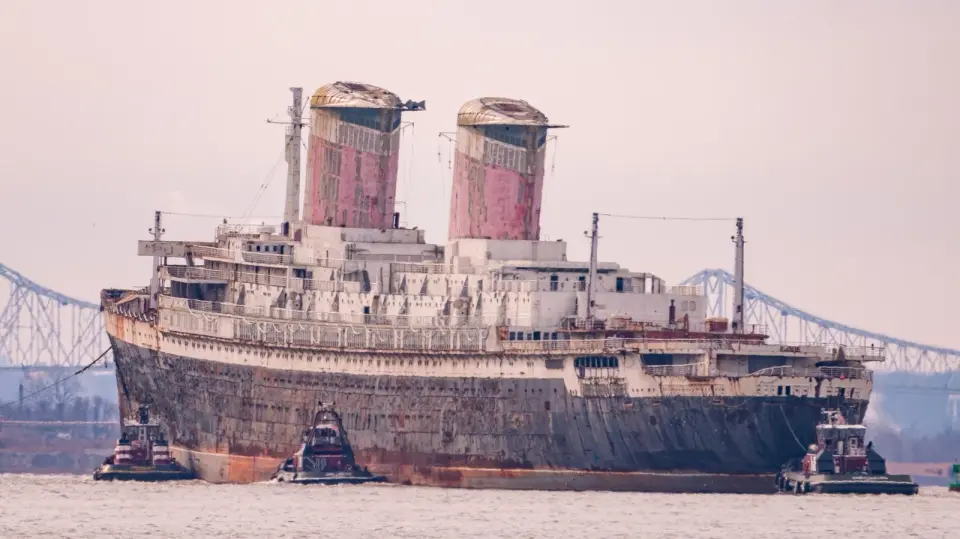
The SS United States, the former fastest transatlantic ocean liner, was deliberately sunk in the Gulf of Mexico on November 11, 2026, to become the world’s largest artificial reef. The 990-foot vessel, purchased by Okaloosa County, Florida, for $1 million, now rests 180 feet deep to support marine biodiversity and tourism. The project, which cost $13.5 million, replaces decades of failed preservation efforts and aims to generate significant economic returns for the Florida panhandle.
Key points
- The SS United States, measuring 990 feet in length, was sunk without explosives by removing hull plugs, allowing it to fill with water and settle upright on the Gulf floor.
- The ship is located approximately 20 to 25 nautical miles southwest of Destin, Florida, with its top deck accessible to recreational divers at a depth of 18 meters (55 feet).
- Okaloosa County acquired the vessel in 2024 from the SS United States Conservancy for $1 million, following its eviction from a Philadelphia pier after nearly 30 years of docking.
- The project aims to replace lost coral reef habitats and attract divers, with officials expecting to recoup the $13.5 million investment within a few years through tourism revenue.
- The SS United States now surpasses the USS Oriskany, sunk in 2006, as the largest artificial reef in the world, joining a cluster of similar projects in the Florida panhandle.
Background
The SS United States, launched in 1951, held the transatlantic speed record for decades, crossing the Atlantic in under four days. After retiring in 1969, it faced multiple failed restoration attempts and legal battles over its location. It was docked in Philadelphia for nearly three decades before being moved to Alabama for preparation and then to Florida for sinking. The vessel had previously been used to transport celebrities and presidents, symbolizing a bygone era of luxury ocean travel.
How outlets are covering it
Jalopnik emphasized the irony of sinking a historic vessel to protect the environment, noting the ship’s former glory and current state. NPR highlighted the emotional complexity for the SS United States Conservancy, particularly Susan Gibbs, granddaughter of the ship’s designer, who viewed the sinking as a dignified alternative to scrapping. 6abc focused on the immediate aftermath, featuring diver Rustin Cassway’s positive assessment of the ship’s condition and the presence of marine life. All sources agreed on the economic and environmental goals but differed in tone, with Jalopnik being more critical of the ship’s decline and NPR focusing on the human element.
Why it matters
The sinking of the SS United States represents a significant shift in how historic vessels are repurposed, balancing preservation with environmental and economic needs. It highlights the growing trend of using artificial reefs to boost tourism and marine biodiversity, particularly in regions affected by coral reef decimation. The project’s success could influence future decisions regarding other historic ships and contribute to the economic vitality of coastal communities.
What to watch
The SS United States Conservancy plans to build a museum and visitor center in Florida to commemorate the ship. Okaloosa County is considering sinking five to six additional artificial reefs in the coming years. Divers and tourists are expected to visit the site, with early reports indicating the presence of marine life such as tuna and swordfish. The economic impact will be monitored to determine if the investment yields the expected returns.
- Florida Sinks SS United States In Gulf Of Mexico To Protect The Environment, And I'm Sorry, But That's Just Too Many Jokes Jalopnik
- The historic SS United States is sunk after a long goodbye off Florida’s coast AP News
- World's fastest ocean liner is sunk to break another record: largest artificial reef NPR
- A very, very slow and final bon voyage for the SS United States along the Florida Panhandle Inquirer.com
- SS United States underwater photos: First divers explore world's largest artificial reef after historic sinking 6abc Philadelphia
Want the full story? Read the original reporting
Read on Jalopnik