
Forest Service files plan to repeal roadless rule, sparing Colorado and Idaho
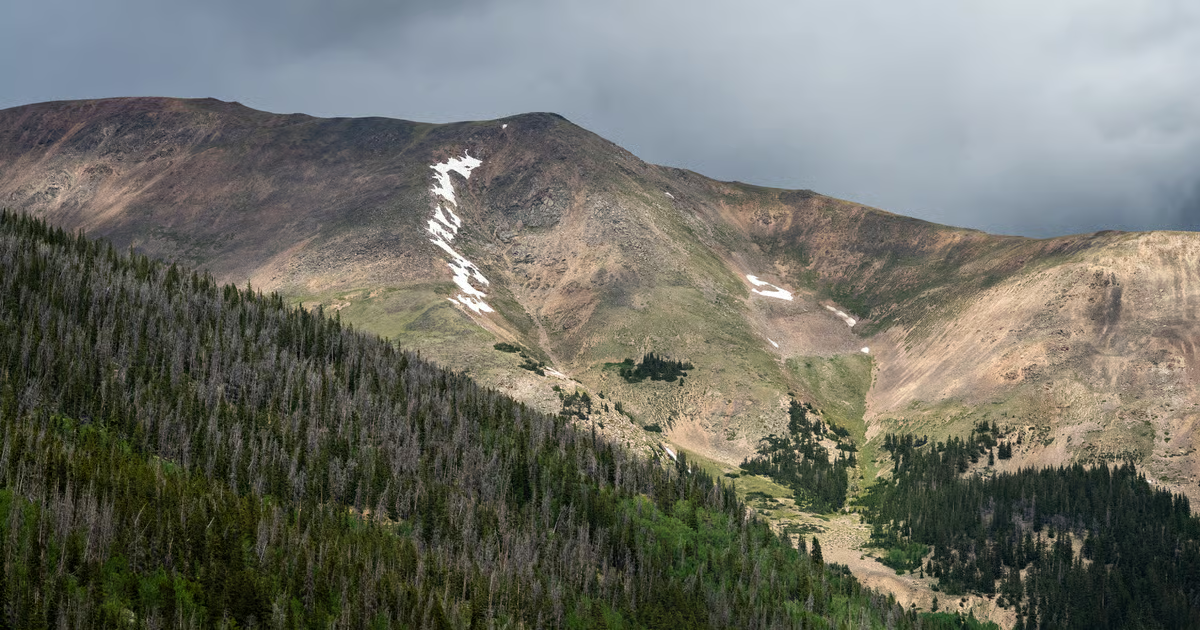
The U.S. Forest Service has formally filed a proposal to repeal the 2001 Roadless Area Conservation Rule, which currently protects approximately 45 million acres of national forest land from road construction, commercial logging, and drilling. Agriculture Secretary Brooke Rollins argues that the rule prevents necessary forest treatments and wildfire mitigation, while environmental groups contend it safeguards critical habitats and old-growth forests. Colorado and Idaho are exempt from the repeal due to existing state-specific protections, though the move is expected to face significant legal challenges.
Key points
- The Forest Service filed a proposal on Tuesday to rescind the Roadless Area Conservation Rule, which was finalized by the Clinton administration in 2001.
- The rule currently restricts road-building and large-scale development on roughly 45 million acres of national forest land across the United States.
- Agriculture Secretary Brooke Rollins stated that the repeal will allow local managers to perform treatments that improve forest health and reduce wildfire risks.
- Environmental organizations, including the Natural Resources Defense Council and the Sierra Club, argue that the rule protects watersheds, wildlife habitats, and old-growth forests from industrial exploitation.
- Colorado and Idaho are exempt from the federal repeal because they have their own roadless area rules developed in conjunction with the federal government.
- In Colorado, more than 4 million acres are protected as roadless, with over 1 million acres receiving higher protection levels than the federal rule provided.
Background
The Trump administration first signaled its intent to repeal the roadless rule in June 2025, describing it as an obstacle to development. Since then, the agency has received hundreds of thousands of public comments. This move follows other recent regulatory changes by the administration, such as a July 2026 rule narrowing the Endangered Species Act to exclude indirect habitat destruction, which has also drawn legal scrutiny. The current proposal marks the final stages of the rescission process, with a final decision potentially coming later this year.
How outlets are covering it
The administration and the Forest Service, led by Secretary Brooke Rollins and Chief Tom Schultz, frame the repeal as a necessary step to restore authority to local land managers. They argue that the current rule prevents essential forest treatments, noting that only 5% of high-hazard roadless areas have received fuel reduction treatments since 2014. Conversely, environmental groups like the Sierra Club and the Natural Resources Defense Council characterize the move as an attack on the most successful land conservation policy in modern history. They argue that opening forests to roads will increase human-caused ignitions and destroy old-growth habitats, rather than mitigating wildfire risks. While the administration emphasizes flexibility and forest health, critics emphasize the long-term ecological damage and the potential for industrial logging expansion.
Why it matters
The repeal of the roadless rule would fundamentally alter land management across the United States, potentially opening tens of millions of acres to industrial development, logging, and infrastructure projects. This could significantly impact biodiversity, water quality, and wildfire dynamics. For Colorado, the existing state protections offer a temporary shield, but the broader national precedent could influence future land-use policies and legal battles over public lands. The outcome will likely be determined by the courts, given the anticipated litigation following the finalization of the rule.
What to watch
The public comment period for the proposed rule and draft environmental impact statement ends on September 21. The administration is expected to finalize the proposal later in 2026. Following finalization, the rule is likely to face immediate legal challenges from environmental groups and potentially from states or localities affected by the change. The outcome of these legal proceedings will determine whether the roadless protections are permanently rescinded or reinstated.
- Trump administration moves to kill ‘roadless rule,’ but Colorado has its own protections cpr.org
- Trump Administration Moves to Allow Logging in Pristine National Forests The New York Times
- Trump moves to strip protections from 44M acres of national forest The Hill
- Trump administration to rescind rule protecting old-growth forests The Guardian
- Trump administration moves to rescind rule that protects millions of forest acres Reuters
Want the full story? Read the original reporting
Read on cpr.org