environment3.17 min read
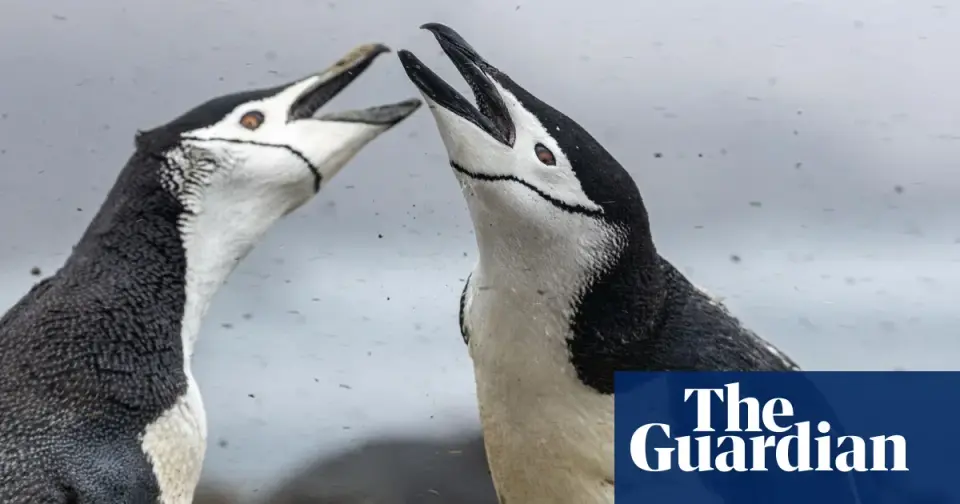
Chinstrap penguin collapse on Zavodovski Island signals Antarctic ecosystem shift
2 days ago•Source: The Guardian

The latest environment stories, each synthesized from multiple sources with added background and context.
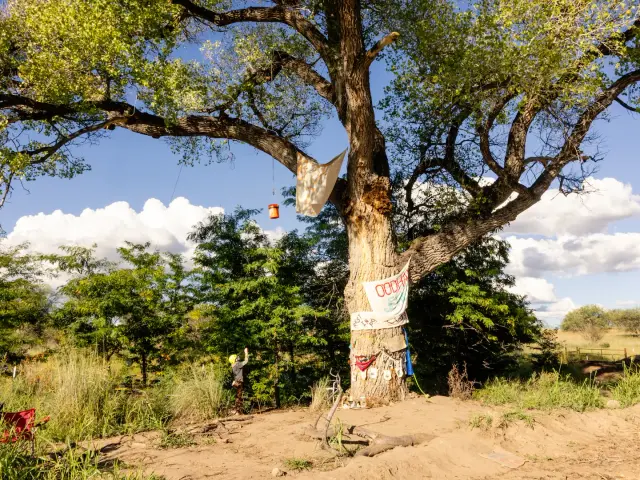
After a 70-day standoff, U.S. Customs and Border Protection agents dismantled a tree-sitting camp and felled a 150- to 250-year-old cottonwood tree in Lochiel, Arizona, to clear the path for a $46.5 billion border wall expansion. Approximately 10 activists were arrested and 10 others cited during the operation, which ended months of resistance against the removal of the 'grandmother' tree.
AP News•4 days ago
BBC Wildlife Magazine•5 days ago
Great white sharks are increasingly appearing in Canada’s Atlantic waters, driven by warming oceans that have expanded seal populations. While sightings in Nova Scotia have surged, experts note that most sharks are transient visitors rather than permanent residents. Recent non-fatal attacks have prompted caution among divers, though the risk remains low.
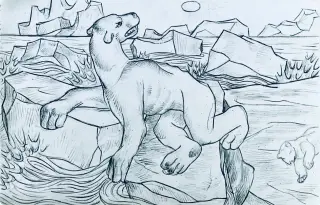
Recent satellite data indicates the Thwaites Glacier’s eastern ice shelf is collapsing and its western shelf has effectively vanished, removing critical structural support. This loss accelerates the glacier’s flow into the ocean, potentially destabilizing the larger West Antarctic Ice Sheet. Over the past 47 years, melting has contributed approximately 3.1 centimeters to global sea levels, with projections suggesting up to 10 feet of rise if the ice sheet fully disintegrates. The author advocates for consumer boycotts and reduced spending as immediate actions to mitigate climate change.
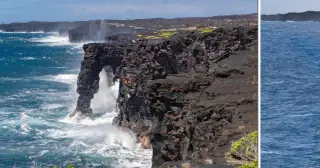
The Hōlei Sea Arch, a 90-foot natural landmark in Hawai'i Volcanoes National Park, collapsed into the Pacific Ocean between September 23 and 27, 2026. The structure, which had stood for approximately 550 years, disappeared during a park closure caused by Tropical Storm Nolo. Officials attribute the loss to long-term differential erosion, noting that such coastal changes are expected but unpredictable.
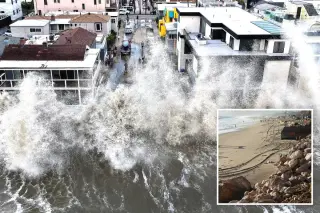
A massive Kelvin wave driven by a historic El Niño is raising California sea levels by up to a foot, compounding existing climate change trends and prompting emergency preparations across the state.
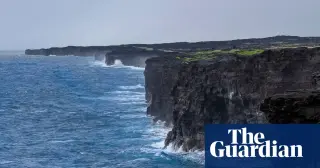
The Hōlei Sea Arch, a 90-foot natural landmark in Hawaii's Volcanoes National Park, has collapsed into the Pacific Ocean. The structure, which stood for approximately 550 years, was confirmed standing on September 23 but was gone by September 27, 2026. The collapse occurred during a park closure for Tropical Storm Nolo, following a period of intense storm activity in the Pacific.
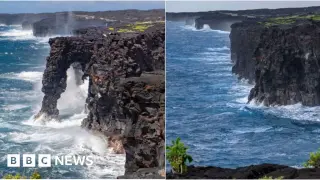
Hawaii's iconic 90-foot Hōlei Sea Arch, a natural lava formation roughly 550 years old, has collapsed into the Pacific Ocean. The structure was confirmed standing on September 23 but was gone by September 27, 2026, during a park closure for Tropical Storm Nolo. Officials attribute the loss to long-term differential erosion and damage from the 2018 Kīlauea eruption.

Wildfires in Borneo and Sumatra have intensified since August, threatening critical habitats for orangutans and gibbons. While rescue teams in Indonesia treat injured primates, conservationists warn that draining peatlands have created underground 'zombie fires' that are difficult to extinguish. The crisis has prompted urgent appeals for funding to support firefighting efforts and protect remaining forest corridors.

Fifteen northern bald ibises have arrived in Alt Empordà, Catalonia, guided by humans in ultralight aircraft. This addition supports a broader European effort to re-establish the species, which was extinct on the continent for 300 years, with goals to reach 300 wild individuals within a decade.
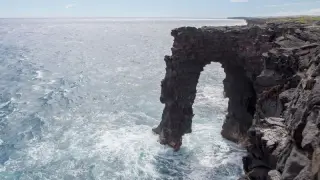
The Hōlei Sea Arch, a 90-foot landmark in Hawaii's Volcanoes National Park, collapsed into the Pacific Ocean between September 23 and 28, 2026. Formed 550 years ago by lava flows, the structure fell due to differential erosion, a process park officials had long predicted would eventually destroy the arch. The collapse occurred during a closure for Tropical Storm Nolo, with the structure confirmed standing on September 23 but missing when the park reopened on September 28.
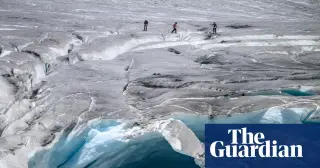
Switzerland has lost approximately 19.4% of its glacial ice since 2021, with a 5.5% reduction recorded in the first eight months of 2026. This rapid retreat, driven by record-breaking heat and low winter snowfall, has transformed many glaciers into barren rock landscapes. Scientists warn that internal ice collapse and reduced water reserves threaten the country's tourism, hydropower, and drinking water supplies.