
Hormuz Conflict Risks 11 Million Barrels of Oil and Gulf Marine Ecosystems
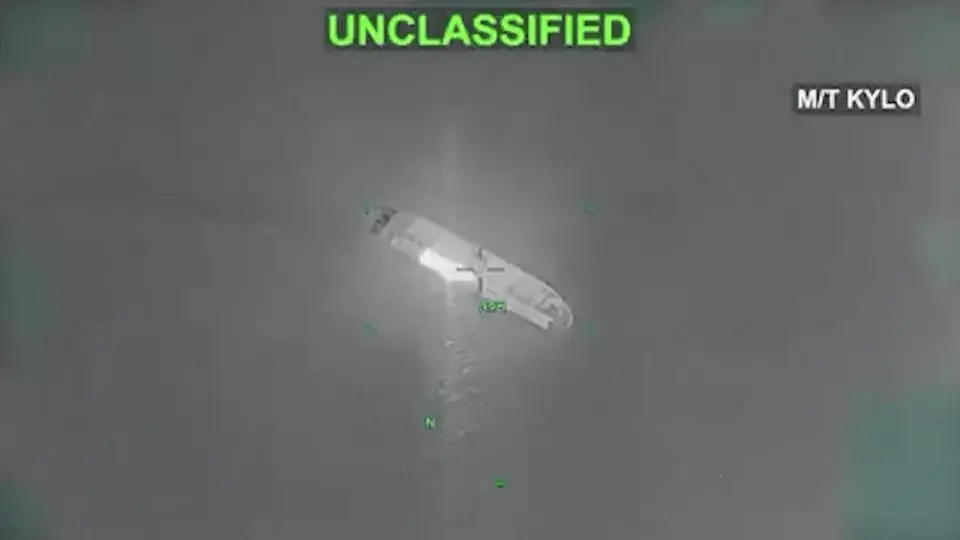
The US-Iran conflict has intensified maritime warfare in the Strait of Hormuz, with recent strikes on oil tankers threatening environmental catastrophe. As of October 2026, 42 tankers are waiting to transit the strait, holding an estimated 1.76 million cubic meters of oil, equivalent to 11 percent of global daily demand. Since the war began, 75 ships have been attacked, resulting in 21 seafarer deaths and multiple fires. A major spill could contaminate coastlines, disrupt desalination plants serving 65 million people, and damage fragile marine ecosystems that have already suffered from chronic pollution since the 1980s.
Key points
- US forces struck five Iranian oil tankers on September 8, three days after hitting three others, following Iranian missile attacks on US naval vessels.
- MarineTraffic data indicates 42 tankers are currently waiting to transit the Strait of Hormuz, with 18 carrying oil, totaling an estimated 1.76 million cubic meters of petroleum products.
- Since the start of the conflict, at least 75 ships have been attacked, causing 21 seafarer deaths, six fires, and two minor oil spills.
- The Caroline Bezengi tanker has been leaking oil since running aground in June, with Reuters estimating it carried 800,000 barrels, potentially affecting 40km of Omani coastline.
- Researchers warn that oil pollution in the Gulf has increased fourfold compared to the previous year, threatening coral reefs, mangroves, and fisheries that support local economies.
Background
This escalation follows a protracted US-Iran war that began in early 2026, characterized by repeated strikes on military and commercial targets. Previous coverage noted that Gulf states were fortifying defenses and seeking alternative trade routes to bypass Hormuz, while oil prices surged and global energy import bills increased by $330 billion in six months. The current maritime conflict represents a new phase where commercial shipping and environmental stability are directly threatened by tit-for-tat attacks on tankers and naval vessels.
Why it matters
The Strait of Hormuz is a critical chokepoint for global energy supplies, and any major oil spill could have long-term ecological and economic consequences. The Gulf’s marine ecosystems are already stressed by chronic pollution and limited water exchange, making them vulnerable to further damage. Additionally, oil contamination could disrupt desalination plants that provide fresh water to nearly 65 million people in the region, exacerbating humanitarian and economic pressures. The conflict’s impact on marine life and coastal infrastructure underscores the broader risks of maritime warfare in environmentally sensitive areas.
What to watch
Analysts expect continued tension in the Strait of Hormuz as both sides maintain their tit-for-tat attacks on shipping. Environmental monitoring will be critical to assess the extent of oil spills and their impact on marine ecosystems. Gulf states may accelerate efforts to diversify energy routes and strengthen environmental safeguards, while international attention may focus on potential diplomatic resolutions to prevent further escalation. The long-term recovery of the Gulf’s marine environment will depend on the scale of pollution and the effectiveness of cleanup efforts.
- Why US-Iran war over Hormuz is threatening the Gulf’s waters Al Jazeera
- Shipping traffic via Strait of Hormuz stays below 10-day average, data shows Reuters
- Iran Says Strait of Hormuz Deal With Oman Just Days Away Bloomberg.com
- Iran’s Attacks Keep the Strait of Hormuz in a Lethal Stalemate The New York Times
- Iran says it plans to announce a new 'exclusion zone' near the Strait of Hormuz PBS
Want the full story? Read the original reporting
Read on Al Jazeera