
Medicaid Closures Threaten US Maternity Care and Rural Hospitals
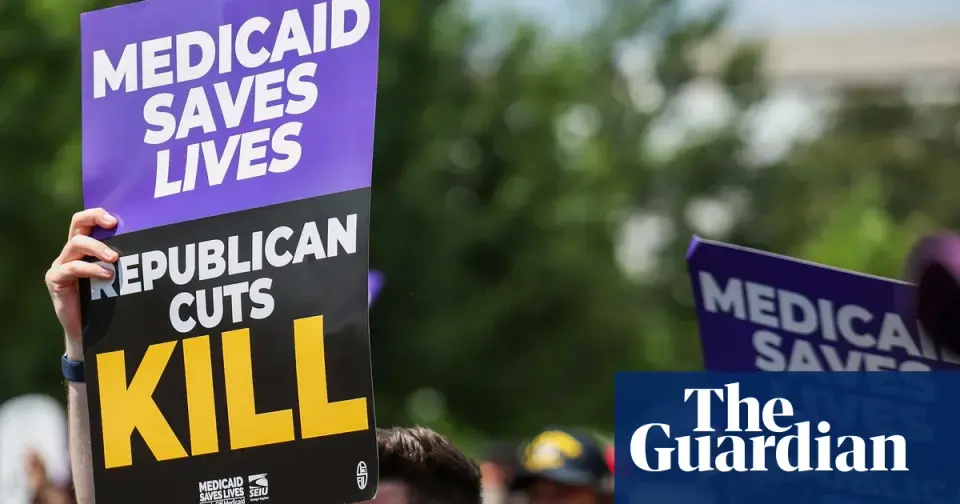
The implementation of H.R. 1 is triggering a wave of maternity ward closures across the US, with 52 already closed and eight more announced. Experts warn that $1 trillion in federal Medicaid cuts will force hospitals to shut down essential services, particularly in rural areas, while new work requirements threaten to disenroll millions of adults, including pregnant women, from coverage.
Key points
- 52 maternity wards have closed since July 2025, with eight more announcing upcoming closures, according to Protect Our Care.
- H.R. 1, effective in 2027, imposes work requirements and reduces federal funding, threatening 31 at-risk rural hospitals.
- The US maternal mortality rate is 17.9 per 100,000 births, the highest among high-income nations.
- Illinois faces $26 billion in Medicaid cuts, potentially affecting 400,000 residents and threatening academic medical centers.
- North Carolina projects 250,000 residents could lose coverage, with rural hospitals facing $3.7 billion in losses over ten years.
Background
This development follows a broader trend of hospital closures in the US, with over 400 facilities closing between 2010 and 2025. Recent coverage noted that legal immigrants have already lost coverage under new rules, and the GOP tax overhaul has shifted resources away from welfare programs. The current crisis is exacerbated by the closure of CDC pregnancy monitoring teams in 2025, which disrupted data collection on maternal health trends.
How outlets are covering it
The Guardian and Protect Our Care emphasize the immediate impact on maternity wards, citing specific closures in Virginia and Georgia. The Chicago Tribune highlights the threat to academic medical training, noting that UI Health trains a significant portion of Illinois' doctors. North Carolina Governor Josh Stein argues that the cuts will increase costs for all taxpayers through uncompensated care, while Michigan officials warn of 200,000 people losing coverage. Critics like Harvard's Benjamin Sommers argue that exemptions for pregnant women are ineffective because many are not enrolled in the correct Medicaid pathways.
Why it matters
The closure of maternity wards and the loss of Medicaid coverage threaten to worsen maternal mortality rates and reduce access to essential healthcare in rural and underserved communities. The financial strain on hospitals may lead to further service cuts, increasing wait times and costs for all patients, while the loss of data from CDC teams hampers the ability to monitor these trends.
What to watch
H.R. 1 will fully take effect in 2027, with new work requirements and eligibility checks beginning in January. States are expected to issue notices to affected residents, and hospitals may face further closures as funding caps phase in by 2033. Advocates are urging Congress to delay the work requirements and payment caps before they take full effect.
- US maternity wards face wave of closures as Medicaid cuts kick in The Guardian
- Albert D. Sam II: The hospital that trains Chicago’s doctors can’t survive Washington’s Medicaid cuts Chicago Tribune
- Medicaid cuts: The facts behind the rhetoric | Opinion PennLive.com
- NC Governor: Imminent federal Medicaid cuts will cost everyone | Opinion Raleigh News & Observer
- State braces for changes to Medicaid programs from Big Beautiful Bill Spartan Newsroom
Want the full story? Read the original reporting
Read on The Guardian