health-policy8.135 min read
CDC Proposal to Slash Disability Questions in National Health Interview Survey Draws Sharp Criticism
3 days ago•Source: Disability Scoop

The latest health policy stories, each synthesized from multiple sources with added background and context.

The U.S. federal vaccine schedule has been significantly altered under HHS Secretary Robert F. Kennedy Jr., leading to a sharp rise in measles cases and legal challenges. Critics argue these changes, which include removing thimerosal from flu vaccines and ending universal newborn hepatitis B shots, are based on flawed or nonexistent evidence. While the administration claims to align with international norms, experts note the U.S. now lags behind most peer nations in disease coverage, raising concerns about preventable outbreaks and economic costs.
vox.com•9 days ago
Ars Technica•9 days ago
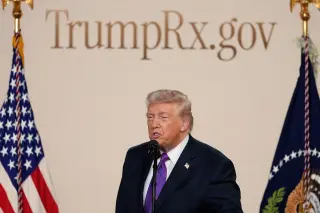
A new Kaiser Family Foundation analysis shows that the TrumpRx platform delivers mixed results for prescription drug prices. While 17 brand-name drugs cost less than the average in peer countries, 15 are more expensive, and 13 are the most costly among all compared nations. The administration claims $700 million in savings, but experts advise patients to compare prices with insurance and other discount programs.

Health Secretary Robert F. Kennedy Jr. has proposed a major overhaul of US health data systems, advocating for the integration of medical records, insurance claims, and lifestyle data to be analyzed by artificial intelligence. Speaking at a Make America Healthy (MAHA) Institute event, Kennedy argued that current data silos prevent researchers from identifying links between environmental exposures, diet, and chronic diseases, including autism. He emphasized that AI could accelerate research from years to seconds, though he acknowledged that privacy concerns and existing data governance laws, such as those in Arizona, currently restrict access to such comprehensive datasets.

A new analysis by the Kaiser Family Foundation (KFF) reveals that the TrumpRx website delivers mixed results for Americans seeking lower prescription drug prices. While prices for 17 brand-name drugs are lower than the average in 11 peer nations, 15 drugs cost significantly more. The site, which targets cash-paying consumers, does not guarantee the 'lowest prices in the developed world' as claimed by the administration. Notable exceptions include weight-loss drugs like Ozempic and Zepbound, which remain more expensive in the U.S. than in comparable countries. This finding contrasts with the administration's broader 'most favored nation' strategy, which has secured deals with 26 pharmaceutical companies and enrolled all 50 states in Medicaid pricing reforms.
The Trump administration's WISeR pilot, which uses AI to manage Medicare prior authorizations, is facing severe backlash due to delayed care, high denial rates, and vendor incentives that reward rejecting treatment. While the program was launched in six states in January 2026, new documents reveal technical failures and a financial structure that pays vendors 25% of averted costs for every denial. Lawmakers are demanding transparency, but the administration plans to expand the model to oncology and cardiac care by 2031.
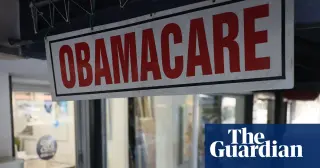
The Trump administration has canceled 760,000 Affordable Care Act (ACA) plans, claiming fraud, and is investigating 420,000 more. Officials say the move saves $2.2 billion, but experts warn it may disenroll legitimate enrollees and worsen coverage gaps.

The Department of Health and Human Services (HHS) is preparing to fundamentally alter how childhood vaccines are categorized and recommended, a move that has triggered urgent warnings from public health experts, legal advocates, and state governors. The changes stem from an August 2026 executive order by President Donald Trump, which mandated a reevaluation of the childhood vaccine schedule and the revival of a defunct vaccine task force. HHS recently concluded a public comment period on a Request for Information (RFI) that questions the current three-tier recommendation system: routine/universal, risk-based, and shared clinical decision-making (SCDM). While HHS frames the review around 'individual autonomy' and 'religious freedom,' critics argue the proposed new categories lack scientific basis and will cause widespread confusion. This debate unfolds against a backdrop of a severe measles resurgence, with the U.S. experiencing its worst year since 1991, including 792 cases and four deaths in Pennsylvania alone. State officials and legal groups are urging HHS to maintain a stable, evidence-based framework to prevent a collapse in vaccination rates and a return of preventable diseases.

The US Department of Health and Human Services (HHS) has not released updated Covid-19 vaccines through the Vaccines for Children (VFC) program, leaving approximately 52% of US children without free access. While doses are available for privately insured patients, the federal delay creates a two-tiered system that disproportionately affects low-income, uninsured, and Medicaid-eligible families. Officials have not provided a timeline for when VFC doses will be distributed, despite the FDA approving the shots in August 2026.

The Trump administration has canceled coverage for approximately 750,000 Affordable Care Act enrollees, claiming they were fraudulently enrolled or did not exist. Vice President JD Vance and CMS Administrator Mehmet Oz stated the move will save taxpayers $2.2 billion. While the administration is investigating an additional 419,000 cases, health experts dispute the scale of the fraud, arguing that enrollment declines are largely due to the expiration of pandemic-era subsidies rather than widespread fraud.
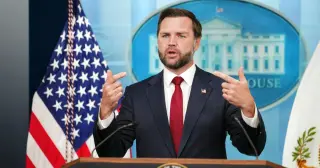
The Trump administration has canceled 315,000 Affordable Care Act marketplace enrollments, affecting approximately 760,000 people, citing widespread fraud and improper eligibility. Vice President JD Vance and CMS Administrator Mehmet Oz announced the action on September 22, 2026, estimating it will save the federal government $2.2 billion. The administration is also verifying the eligibility of another 419,000 enrollees and suspending insurance brokers accused of facilitating fraudulent sign-ups. While officials describe the move as a necessary crackdown on 'phantom' enrollees and ineligible recipients, critics argue the criteria are vague and may strip coverage from legitimate beneficiaries.
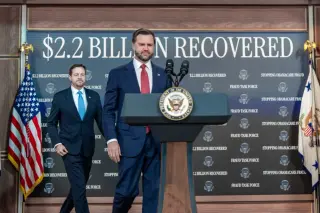
The Trump administration has disenrolled approximately 760,000 individuals from Affordable Care Act (ACA) marketplaces, citing fraudulent enrollment. Vice President JD Vance announced the move on Tuesday, stating it will save the government $2.2 billion. The administration is also conducting additional verification on 419,000 other enrollees and suspending insurance brokers involved in improper signups. This action is part of a broader anti-fraud initiative led by Vance, HHS, and CMS, which has shifted to a proactive 'stop and caught' model using AI analytics. Critics argue the process bypassed standard regulatory channels and may impact legitimate enrollees, while supporters contend it addresses significant waste following the expiration of pandemic-era subsidies.