
Northwell Health reports 75% surge in 9/11-linked cancers as new documents reveal air quality warnings
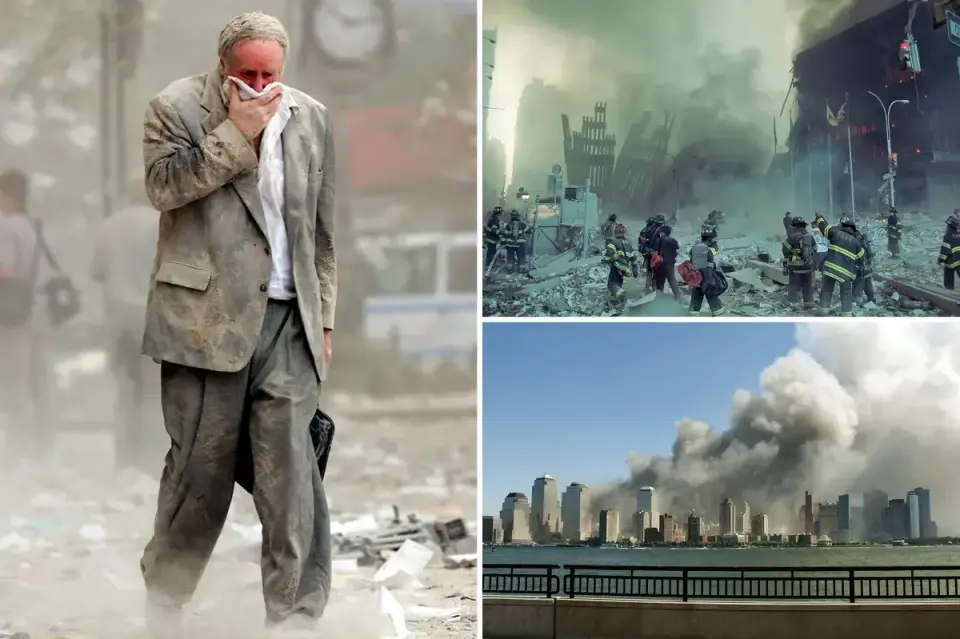
Northwell Health reported a 75% increase in 9/11-related cancers over three years, with 132 new cases in early 2026 alone. This surge coincides with the release of 170,000 pages of hidden city documents suggesting officials misled the public about toxic air quality. While the WTC Health Program has certified over 57,000 cancer cases since 2015, experts warn that delayed environmental sampling and expanding compensation claims indicate a 'slow-motion health disaster' that continues to affect survivors decades later.
Key points
- Northwell Health’s WTC program saw 9/11-related cancer cases rise from 177 in 2023 to 235 in 2025, a 75% jump.
- The hospital logged 800 new cases in 42 months, with 132 new cases in the first half of 2026.
- Mayor Zohran Mamdani released 170,000 pages of documents suggesting past officials knew about toxic air risks.
- The WTC Health Program has certified over 57,000 cancer cases since 2015, up from 3,204 in 2015.
- The September 11 Victim Compensation Fund receives over 800 new applications monthly, up from 2023.
- Approximately 9,400 people have died from 9/11-related illnesses, three times the number killed in the attacks.
Background
This story follows earlier coverage of cancer research and public health crises, but focuses specifically on the long-term health impacts of the 9/11 attacks. The archive notes recent advancements in cancer vaccines and treatments, but the current story highlights the ongoing, unaddressed health consequences of environmental exposure from 2001.
How outlets are covering it
The New York Post emphasizes the 'slow-motion health disaster' and the 75% cancer surge at Northwell Health, linking it to newly released documents about air quality. WSHU highlights the broader equity issues in 9/11 health studies, noting that many survivors are excluded from long-term research and that early-onset dementia is an emerging concern. 6abc Philadelphia focuses on the human toll, noting that 9,400 people have died from 9/11-related illnesses, three times the number killed in the attacks. The New York Times focuses on the long-term health risks for children who were exposed to dust and ash as young children, suggesting that the health impacts may continue for decades. The outlets differ in their emphasis: the Post focuses on the cancer surge and political accountability, WSHU on equity and research gaps, 6abc on the human toll, and the NYT on the long-term health risks for children.
Why it matters
The 75% surge in 9/11-related cancers at Northwell Health, combined with the release of hidden documents about air quality, highlights the ongoing health crisis faced by 9/11 survivors. The expanding compensation claims and rising cancer certifications indicate that the health impacts of the attacks are not over, and that many survivors are still being diagnosed with illnesses decades later. This story underscores the need for continued research, compensation, and public accountability for the long-term health consequences of the 9/11 attacks.
What to watch
The 25th anniversary of the 9/11 attacks will likely prompt further scrutiny of the health impacts on survivors, particularly as new documents are released and compensation claims continue to rise. Experts may call for expanded research into the long-term health effects of 9/11 exposure, particularly for children and other groups who were excluded from early studies. The WTC Health Program and the September 11 Victim Compensation Fund may face increased pressure to expand coverage and support for survivors.
- Top NY hospital system Northwell Health reports stunning 75% explosion in 9/11 cancers over last three years: 'Slow-motion health disaster' New York Post
- 25 years after 9/11, survivors face emerging health risks WSHU
- 9/11 ceremony live updates: Families to gather at WTC, Pentagon, Shanksville to mark 25 years 6abc Philadelphia
- 9/11’s Dust and Ash Coated Their Childhood. Is It Still Making Them Ill? The New York Times
- After thousands of deaths, first responders are still navigating health effects 25 years post-9/11 ABC News - Breaking News, Latest News and Videos
Want the full story? Read the original reporting
Read on New York Post