
Federal Judge Blocks Strict Medicaid Work Rule for Sick Americans
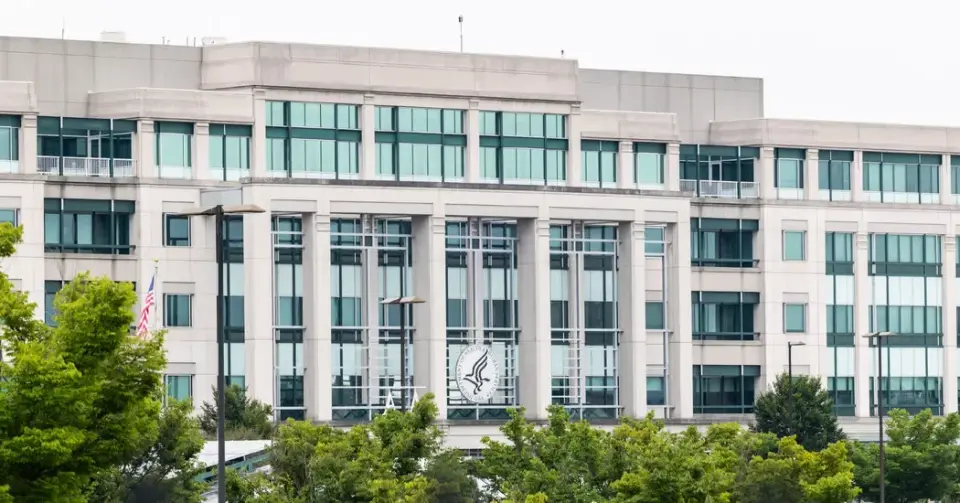
A federal judge in Massachusetts blocked the Trump administration’s strict interpretation of 'medically frail' exemptions in new Medicaid work requirements, ruling that the Centers for Medicare and Medicaid Services exceeded its authority. The decision prevents the immediate disenrollment of vulnerable individuals in 25 states and the District of Columbia, allowing them six months to adjust verification systems before the January 2027 mandate takes effect.
Key points
- Judge Richard Stearns ruled that CMS’s June regulation requiring proof that a medical condition 'significantly impairs' the ability to work was unlawful and beyond the agency’s authority.
- The ruling applies to 25 Democratic-led states and the District of Columbia, which sued to challenge the policy, and grants them a six-month grace period to update systems before enforcing remaining work requirements.
- The work requirement, enacted in the 2025 'One Big Beautiful Bill Act,' mandates 80 hours of work, volunteering, or schooling monthly for Medicaid recipients without disabilities, with exemptions for the 'medically frail.'
- The Congressional Budget Office estimated that the work requirement could leave approximately five million people uninsured, including those unable to navigate paperwork, despite the new judicial block on the strict medical definition.
- The judge upheld other aspects of the law, including a 12-month limit on medical evidence and a policy allowing states to decide whether to accept self-attestation of medical frailty in the first year.
Background
This ruling follows a period of intense debate and early implementation challenges surrounding Medicaid work requirements. In October 2026, Nebraska and Montana enacted early mandates, leading to coverage losses and administrative confusion, as highlighted by reports from Human Rights Watch and Oxfam America. Advocacy groups like 'Keep Your Care' launched campaigns to help residents navigate the new rules, while states like Pennsylvania and Virginia issued notices to prevent gaps in coverage. The current legal battle is part of a broader effort by Democratic-led states to protect vulnerable populations from the burdens of the new federal mandate.
How outlets are covering it
The New York Times emphasizes the ruling as a victory for vulnerable Americans, highlighting the judge’s concern that the strict definition could lead to the disenrollment of eligible individuals. It notes the relief expressed by state attorneys general, such as California’s Rob Bonta. Politico focuses on the legal boundaries of CMS’s authority, quoting Judge Stearns on the 'inherent public interest' in following the law. It also details the judge’s rejection of other state challenges, such as the 12-month lookback on medical evidence, and includes perspectives from healthcare providers who argue they are not trained to assess work capacity. Both sources agree on the core facts but differ in emphasis: The Times highlights the human impact and political response, while Politico provides a more detailed legal analysis of the judge’s decisions on various aspects of the rule.
Why it matters
The ruling prevents the immediate disenrollment of millions of vulnerable Americans who rely on Medicaid, ensuring that the 'medically frail' exemption is applied as intended by Congress. It provides states with a critical six-month window to adjust their systems, reducing the risk of administrative errors that could lead to coverage losses. The decision also sets a precedent for the limits of federal agency authority in interpreting broad legislative exemptions, potentially influencing future challenges to other aspects of the work requirement.
What to watch
The Trump administration has not yet indicated whether it will appeal the ruling. States will use the six-month grace period to update their verification systems to comply with the judge’s decision. The remaining work requirements, including the 80-hour mandate and the 12-month lookback on medical evidence, will take effect in January 2027. Another lawsuit challenging the policy, filed by medical groups and the city of Columbus, Ohio, remains pending in a Maryland federal court.
- Court Blocks Strict New Rule for Medicaid Work Requirements The New York Times
- 'Contrary to law': Judge strikes down Trump admin's definition of 'medically frail' in Medicaid work requirements Politico
- Judge blocks Trump administration's Medicaid work requirement rule forcing proof of medical frailty PBS
- Court voids CMS’ Medicaid medical frailty work requirement policy Modern Healthcare News
- US judge blocks Trump limits to Medicaid work requirement exceptions Reuters
Want the full story? Read the original reporting
Read on The New York Times