
Princeton neuroscientist detained by ICE after conference, raising fears for international researchers
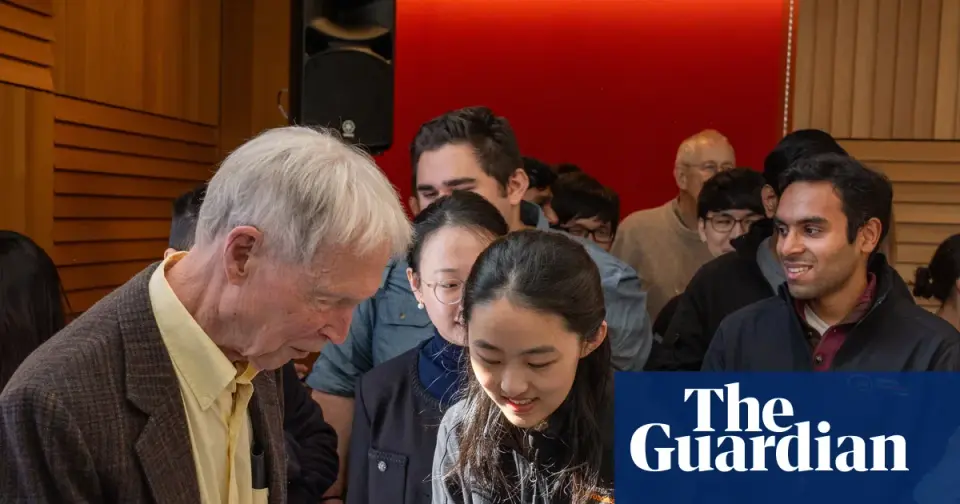
Eva Yi Xie, a third-year PhD candidate at Princeton University, was detained by US Immigration and Customs Enforcement (ICE) on November 19 at Ronald Reagan Washington National Airport while returning from the Society for Neuroscience conference. Xie, a Chinese-born researcher specializing in the neural basis of decision-making, is currently held at a facility in Chantilly, Virginia. Although her visa had expired, her lawyers state she was legally present due to a pending asylum application. Princeton University has secured legal counsel for her, and her attorneys filed a habeas corpus petition on November 20. The incident has intensified concerns among international academics about the safety of domestic travel under current immigration enforcement policies.
Key points
- Xie was detained on Thursday, November 19, after presenting a research poster at the Society for Neuroscience annual meeting in Washington, D.C.
- Her lawyers argue her detention is unlawful because she holds a pending asylum application, despite an expired visa.
- Princeton University confirmed it has arranged legal representation and is coordinating with her family and colleagues.
- Xie’s detention is the first reported ICE arrest of a Princeton student, drawing immediate attention from university leadership and peers.
- The incident occurs amid a broader crackdown on immigration, with ICE conducting over 491,000 arrests in fiscal year 2026.
Background
This detention follows a series of high-profile ICE arrests of individuals with pending legal status or lawful presence, including a Wisconsin state trooper and a former boxing champion, as noted in recent archive coverage. These cases highlight ongoing tensions between federal enforcement actions and the legal protections afforded to individuals with pending asylum or green card applications. The current enforcement climate has already impacted international student enrollment, with some academic medical centers reporting a one-third drop in foreign graduate student numbers.
How outlets are covering it
The New York Times and STAT emphasize the legal nuance of Xie’s status, noting that her pending asylum application should have protected her from detention despite an expired visa. The Daily Princetonian focuses on the immediate impact on the academic community, highlighting the distress expressed by her lab mates and university officials. The Guardian contextualizes the event within the broader Trump administration immigration strategy, citing record deportation figures and comparing Xie’s case to previous high-profile detentions of international students like Rümeysa Öztürk and Mahmoud Khalil. While all sources agree on the facts of the detention, they differ in emphasis: legal rights versus institutional response versus political context.
Why it matters
The detention of a high-profile academic researcher underscores the chilling effect of aggressive immigration enforcement on international scientific collaboration. It raises questions about the safety of domestic travel for non-citizens with pending legal status and may further discourage foreign students and researchers from engaging with US institutions, potentially impacting the country’s competitive edge in science and technology.
What to watch
Xie’s legal team has filed a habeas corpus petition to challenge the legality of her detention. Princeton University and the Society for Neuroscience are monitoring the situation and offering support. The outcome of the legal proceedings will likely set a precedent for how ICE handles individuals with pending asylum applications but expired visas.
- Princeton doctoral student reportedly detained by ICE on way back from conference The Guardian
- ICE detention of Princeton scientist rattles academia STAT
- Princeton neuroscience Ph.D. student detained by ICE The Daily Princetonian
- Chinese-Born Neuroscientist Is Detained by ICE While Traveling From Conference The New York Times
- Neuroscience Doctoral Student Detained by ICE Princeton Alumni Weekly
Want the full story? Read the original reporting
Read on The Guardian