
USCIS Rule Bypasses Asylum Interviews, Sending 444,000 Cases to Deportation Courts
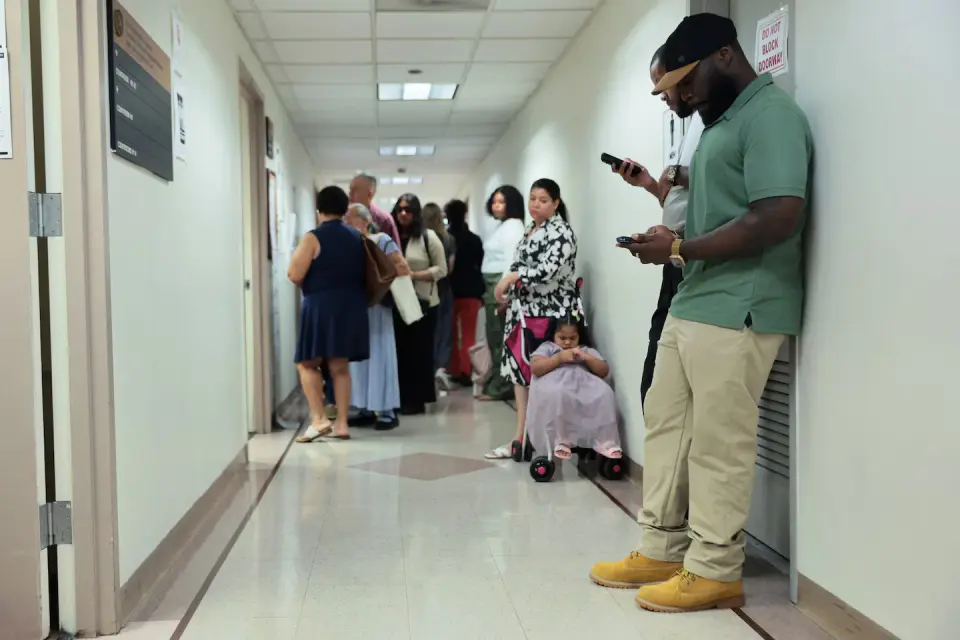
The Trump administration implemented a new rule allowing USCIS to skip asylum interviews and refer cases directly to immigration judges, potentially affecting 444,000 applicants. Critics argue this bypasses due process and accelerates deportations, while officials claim it reduces a 1.4 million-case backlog.
Key points
- USCIS announced an interim final rule effective July 28, 2026, eliminating the requirement for asylum officers to interview applicants before referring them to immigration courts.
- The rule is estimated to impact 444,000 of the 1.4 million pending affirmative asylum cases, with an additional 132,000 new cases expected to be referred annually without interviews.
- USCIS Director Joseph Edlow stated the move aims to combat system exploitation for delay and work authorization, directing resources to legitimate protection claims.
- Immigration advocates and legal experts warn that bypassing non-adversarial interviews in favor of adversarial court proceedings, where applicants lack guaranteed legal representation, increases the risk of removal without a fair hearing.
- The policy shift coincides with the firing of over 100 immigration judges and their replacement by former prosecutors, a move critics say biases the system toward denial and deportation.
Background
This development follows a series of restrictive immigration actions in 2026, including the termination of Temporary Protected Status for hundreds of thousands of immigrants and Supreme Court rulings limiting asylum access at the border. The new rule intensifies the administration's strategy to reduce the asylum backlog, which had reached 1.4 million cases by the end of 2025. Previous coverage noted rising deportation rates and declining asylum approval rates, with fewer than 3% of cases approved in January 2026.
How outlets are covering it
The Washington Post and Los Angeles Times emphasize the potential for mass deportations without hearings, highlighting the shift from non-adversarial USCIS interviews to adversarial immigration court proceedings. The Miami Herald notes the rule restricts legal pathways for vulnerable immigrants, particularly those losing Temporary Protected Status. Courthouse News focuses on due process concerns and the economic impact on asylum seekers who lose work permits. USCIS and DHS officials frame the rule as a necessary efficiency measure to clear a massive backlog and prevent system abuse, while critics like Doris Meissner and Robyn Barnard argue the policy prioritizes denial over fairness and ignores the existing backlog in immigration courts.
Why it matters
The rule fundamentally alters the asylum process, potentially leading to the removal of thousands of individuals without a full hearing. It reflects a broader shift in federal immigration policy toward expedited removal and reduced legal protections for asylum seekers, with significant implications for due process and the integrity of the asylum system.
What to watch
USCIS will accept public comments on the interim rule for 60 days before issuing a final rule. The administration is expected to continue reshaping immigration courts and enforcement strategies, potentially leading to further reductions in asylum approvals and increased deportation orders.
- Asylum seekers could be sent directly to deportation under new federal rule The Washington Post
- New federal rule sends asylum cases to immigration courts, pushing migrants toward deportation Los Angeles Times
- Trump administration moves to clear asylum backlog by bypassing interview rule Miami Herald
- DHS strips interview requirement for asylum seekers, expediting deportations Courthouse News
- USCIS Announces Rule Change to Asylum System to Reduce Backlog Homeland Security Today
Want the full story? Read the original reporting
Read on The Washington Post