
Federal contract lapse leaves thousands of unaccompanied minors without legal counsel
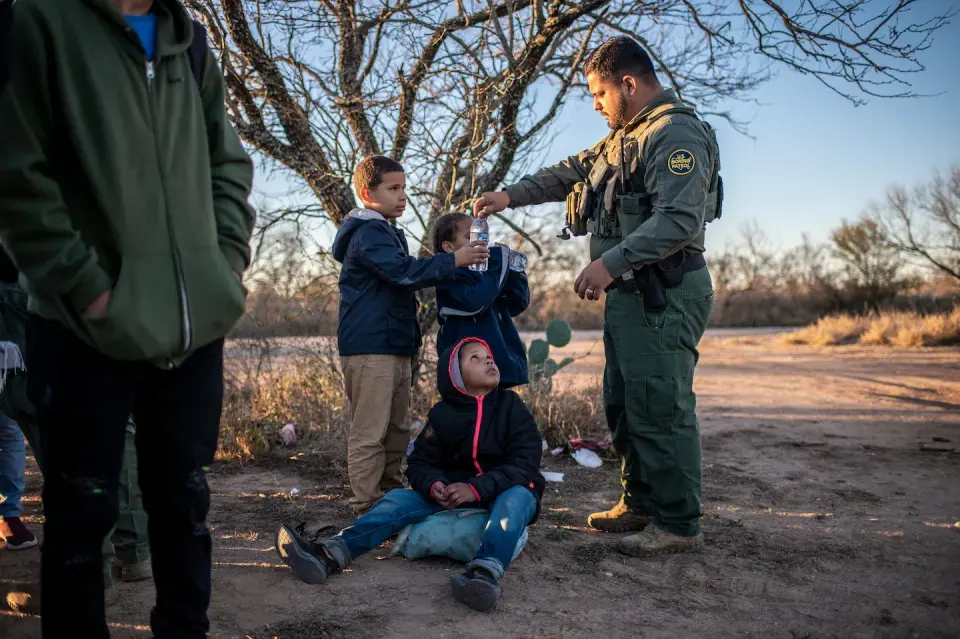
A federal contract providing legal representation to unaccompanied migrant children expires on July 31, 2026. This move, combined with accelerated court proceedings and withheld payments, threatens to leave thousands of minors without attorneys, increasing the risk of deportation.
Key points
- The $356 million annual contract with the Acacia Center for Justice, which funds legal services for over 20,000 unaccompanied minors, expires on July 31, 2026.
- The Department of Health and Human Services (HHS) has withheld $65 million in payments, citing disputes over client data confidentiality, while the Acacia Center refuses to share information that could breach attorney-client privilege.
- Immigration courts, including those overseen by Judge Lisa Ling in New York, have accelerated proceedings, scheduling hearings every two to three weeks instead of months, and proceeding with cases even when children lack legal representation.
- Advocates warn that without attorneys, children are 100 times less likely to access protection, leading to higher rates of voluntary departure and deportation orders.
- USCIS has significantly increased the volume of asylum interviews for unaccompanied children, creating a surge that overwhelms legal aid organizations and reduces preparation time for minors.
Background
This development follows a broader trend of federal challenges to immigrant benefits and sanctuary policies, as seen in recent rulings against in-state tuition programs in Illinois and New Jersey sanctuary laws. The current crisis in legal representation for minors is part of a wider administrative push to expedite removal proceedings and reduce federal funding for legal aid.
How outlets are covering it
The Washington Post and Politico emphasize the financial standoff between HHS and the Acacia Center, highlighting the $65 million in unpaid funds and the refusal to share client data. The Guardian and New York Focus focus on the procedural changes in immigration courts, such as Judge Lisa Ling’s accelerated scheduling and the bypassing of regulations that previously protected unrepresented children. All sources agree on the imminent loss of legal representation but differ in emphasis: some focus on the funding dispute, while others highlight the operational changes in courts and USCIS that compound the crisis.
Why it matters
The expiration of the contract and the acceleration of court proceedings could result in mass deportations of vulnerable children who lack the legal knowledge or language skills to navigate the immigration system. This shift undermines due process protections and increases the risk of children being sent back to countries where they may face danger, raising significant human rights and legal concerns.
What to watch
Legal aid organizations are seeking private donations and pro bono support to continue operations, while some are scaling back or closing. A lawsuit over the withheld $65 million in payments is ongoing. Advocates and Democratic lawmakers, including Sen. Alex Padilla, are pressing HHS to resolve the funding impasse and honor the contract. The outcome of these efforts will determine whether thousands of children remain without legal representation in the coming months.
- Thousands of immigrant children may soon face a judge alone The Washington Post
- Inside the New York court where children face deportation without access to attorneys The Guardian
- NY migrant children face having to go it alone in immigration court Gothamist
- NY Lawyers Fear Trump Blitz Will Speed Up Child Deportations nysfocus.com
- ‘Children will be deported.’ Politico
Want the full story? Read the original reporting
Read on The Washington Post