
US-Iran strikes resume with civilian casualties and new tanker policy
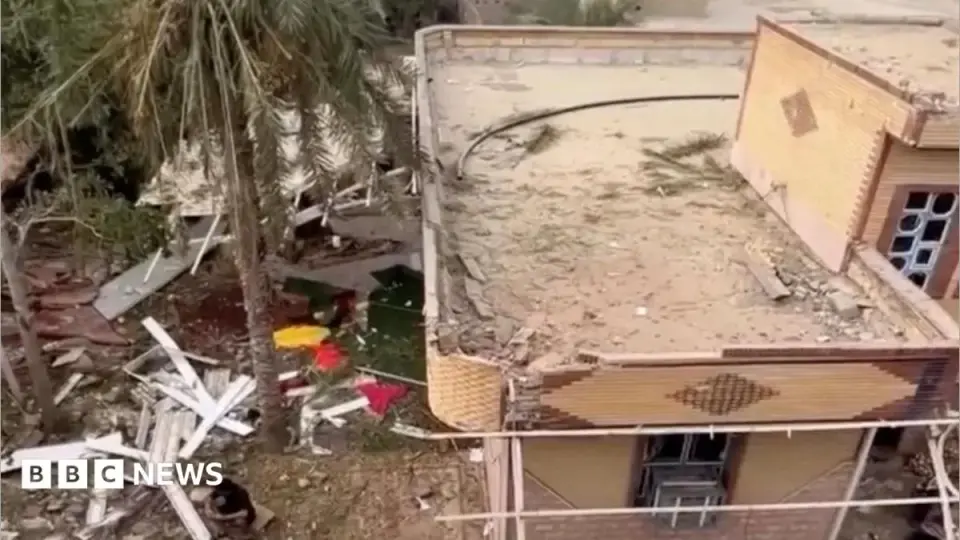
US forces launched a major round of strikes on Iran, targeting military assets and oil tankers, while Iran retaliated against US allies. The conflict has resumed after a month of quiet, with Iran calling a strike on a wedding a war crime.
Key points
- US Central Command confirmed strikes on Iranian air defenses, radars, and two government tankers, marking a new 'tanker for tanker' policy.
- Iranian media and the Red Crescent reported four deaths, including a child, at a wedding in Kuhestak, with 67 injured; the US denies targeting civilians.
- Iran retaliated with missiles and drones against US bases in Bahrain, Kuwait, and Jordan, though US officials say most were intercepted.
- President Trump has shifted from calling for regime change to an economic strangulation strategy, while Iran’s leadership is split between hardliners and President Pezeshkian’s diplomatic stance.
Background
This escalation follows a month of relative calm after the initial 'Operation Epic Fury' in February. A June Memorandum of Understanding had paused hostilities, but Washington resumed a naval blockade and new sanctions in August. The current strikes mark a return to direct military confrontation after weeks of tenuous ceasefire.
How outlets are covering it
The BBC and Axios emphasize the severity of the escalation and the specific targeting of oil tankers, which Axios notes is a first. The Washington Post highlights the strikes as a response to Iranian attacks on shipping. Iran’s foreign ministry and Red Crescent frame the wedding strike as a war crime, while the US military insists it never targets civilians. Inside Iran, hardliners demand continued retaliation, but President Pezeshkian has signaled openness to returning to negotiations if the US honors the June agreement.
Why it matters
The resumption of strikes threatens to destabilize the Strait of Hormuz, a critical global oil route. The introduction of a 'tanker for tanker' policy and the potential for further civilian casualties could derail diplomatic efforts mediated by Pakistan and Oman, leading to a prolonged regional conflict.
What to watch
US embassies in the Gulf are urging Americans to be vigilant due to potential flight cancellations and airspace closures. Pakistan is actively mediating to bring both sides back to the negotiating table, while Iran’s leadership debates whether to pursue diplomacy or continued military confrontation.
- Iran attacks US targets in Middle East after four reportedly killed at wedding celebration BBC
- Iran retaliates with missiles and drones, defying Trump’s warning The Washington Post
- Iran fires on its Gulf neighbors, retaliating for US strikes after a monthlong lull AP News
- U.S. strikes Iran tankers under new "tanker for tanker" policy axios.com
- Live Updates: Iran war ramps back up as Tehran accuses U.S. of bombing wedding party, attacks Gulf states CBS News
Want the full story? Read the original reporting
Read on BBC