
Liberia Receives First U.S. Deportees Amid Transparency and Security Concerns
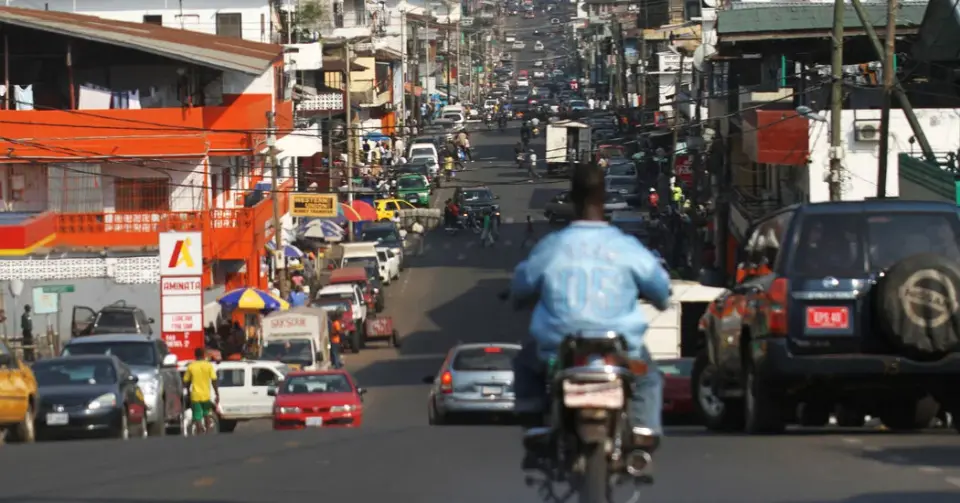
The first group of U.S. deportees arrived in Liberia on August 20, 2026, marking the start of a deal to transfer up to 1,200 individuals. While the Liberian government claims no financial compensation was received, critics question the lack of transparency regarding the deportees' backgrounds and the strategic motivations behind the agreement.
Key points
- Fifteen to twenty deportees arrived at Roberts International Airport in Monrovia, with discrepancies in official counts.
- The agreement is the largest third-country deportation deal under the Trump administration, involving 1,200 people from Africa, the Americas, and the Caribbean.
- Liberia claims it received no direct compensation, but the U.S. pledged $124 million in assistance and extended visitor visas for Liberians.
- Critics and human rights groups question the transparency of the deal, noting that deportees may have criminal records or be awaiting trial.
- Liberia's economy and health system have been strained by cuts in U.S. foreign aid, raising concerns about diplomatic pressure.
Background
This development follows earlier reports in August 2026 detailing the broader scope of third-country deportation deals under the Trump administration, which involve approximately 35 countries. Previous coverage highlighted concerns about using smaller nations as dumping grounds for migrants and the lack of quid pro quo arrangements. The current event marks the first physical transfer under the Liberia agreement, which was announced in mid-August 2026.
How outlets are covering it
The New York Times emphasizes the lack of transparency and public backlash in Liberia, highlighting concerns about the deportees' criminal records and the potential for diplomatic coercion. The Guardian focuses on the scale of the deal, noting it as the largest single arrangement, and details the U.S. commitments, including $124 million in assistance and extended visas. AP News provides a broader context of third-country deals, citing reports that over 80% of deportees eventually return home, and notes the state department's dispute of these findings. All sources agree on the initial arrival of deportees but differ in their emphasis on the financial and diplomatic implications of the agreement.
Why it matters
The arrival of deportees in Liberia highlights the growing use of third-country agreements in U.S. immigration policy, raising questions about transparency, human rights, and the impact on recipient nations. The deal's scale and the lack of clear information about the deportees' backgrounds have sparked public concern and debate over the ethical and legal implications of such transfers.
What to watch
Liberia is expected to receive up to 1,200 deportees under the agreement, with ongoing discussions about the conditions of their detention and the potential for asylum claims. The U.S. and Liberian governments may face further scrutiny over the transparency and fairness of the deal, while human rights groups continue to monitor the situation for potential abuses.
- First U.S. Deportees Arrive in Liberia, and Liberians Want Answers The New York Times
- US deports 20 people to Liberia, the first of 1,200 migrants under Trump deal The Guardian
- Venezuelans and Cubans among deportees to Liberia under Trump deal, official says Reuters
- US has sent deportees to many African countries, the latest one being Liberia. Here’s why AP News
- U.S. Begins Deporting Immigrants to Liberia WSJ
Want the full story? Read the original reporting
Read on The New York Times