
Mexico Files Formal Complaint Against U.S. DEA Tip Line, Citing Sovereignty Breach
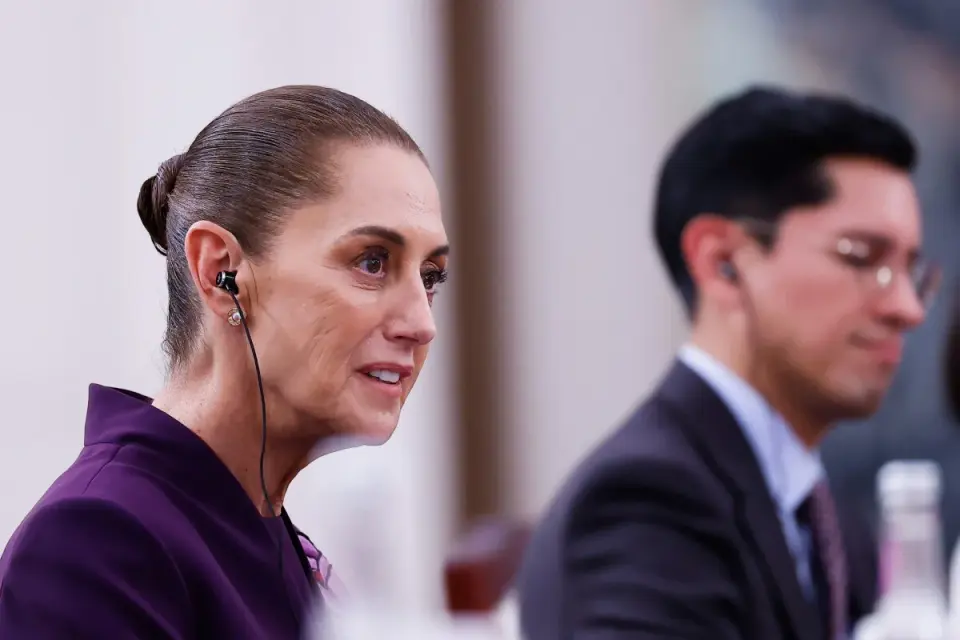
Mexican President Claudia Sheinbaum filed a formal complaint with the U.S. Embassy on Friday, November 27, 2026, condemning the U.S. Drug Enforcement Agency's new anonymous tip line for reports on Mexican criminals and corrupt officials as foreign interference. Sheinbaum emphasized that bilateral relations must be based on coordination, not subordination, while urging Washington to address drug use and trafficking within its own borders. The dispute follows recent tensions, including the death of two CIA agents in Chihuahua in April 2026 and the indictment of Sinaloa Governor Rubén Rocha Moya by U.S. authorities. While the Mexican government rejects the tip line, some domestic figures, including journalist Juan Manuel Partida Valdez and senator Lilly Téllez, support it as a tool to combat corruption and cartel influence that local authorities have failed to address. The U.S. and Mexico continue to cooperate on security matters, including a recent joint operation to capture a Sinaloa Cartel ally, despite the diplomatic friction.
Key points
- Mexican President Claudia Sheinbaum filed a formal complaint with the U.S. Embassy on Friday, November 27, 2026, regarding the U.S. Drug Enforcement Agency's anonymous tip line for reports on Mexican criminals and corrupt officials, labeling it foreign interference.
- Sheinbaum stated that the U.S.-Mexico relationship must be one of coordination, not subordination, and urged Washington to address drug use and combat traffickers within its own territory, while affirming Mexico's continued efforts to confront cartels and prevent drugs from reaching the U.S.
- Journalist Juan Manuel Partida Valdez, president of the Sinaloa Journalists Association, was among the first to use the tip line on Thursday, November 26, 2026, reporting alleged ties between Sinaloa politicians and criminal groups, citing the failure of local authorities to end violence and corruption.
- Senator Lilly Téllez of Mexico's National Action Party welcomed the tip line on Friday, November 27, 2026, calling it a good way to cooperate against the common enemy of both countries and urging Sheinbaum not to obstruct information gathering to locate criminals.
- The dispute follows recent tensions, including the death of two CIA agents in Chihuahua in April 2026 and the U.S. indictment of Sinaloa Governor Rubén Rocha Moya on drug-trafficking charges, which forced him to step down.
Background
The U.S. and Mexico have a long-standing security cooperation relationship, but recent events have strained it. In April 2026, two CIA agents died during a drug lab raid in Chihuahua, leading to a potential treason trial for local officials. In late 2026, Sinaloa Governor Rubén Rocha Moya was indicted by U.S. authorities on drug-trafficking charges and forced to step down. The Mexican government has also cracked down on cartels more forcefully than previous administrations, with homicide rates dipping and top cartel bosses captured, often using U.S. intelligence. The Sinaloa Cartel, based in Culiacán, is the largest drug trafficking organization in the world, with an estimated 17,825 members, and has split into factions after the arrest of its leaders in 2024.
Why it matters
The dispute over the DEA tip line highlights the complex and often contentious relationship between the U.S. and Mexico in combating drug cartels and corruption. It underscores the tension between Mexican sovereignty and U.S. efforts to address drug trafficking and corruption in Mexico. The reaction from Mexican citizens and politicians, with some supporting the tip line and others opposing it, reflects the deep frustration with corruption and violence in Mexico and the desire for effective action against cartels. The diplomatic friction could impact future security cooperation between the two countries.
What to watch
The U.S. and Mexico are expected to continue their security cooperation, including joint operations against cartels, despite the diplomatic friction over the tip line. The Mexican government will likely continue to assert its sovereignty and demand that the U.S. address drug use and trafficking within its own borders. The U.S. may face pressure to address the DEA's handling of fentanyl and other domestic issues, as highlighted by the AP investigation mentioned in the archive. The outcome of the treason case related to the CIA agents' deaths in Chihuahua, with a federal judge set to decide on the indictment on Saturday, November 28, 2026, could further impact U.S.-Mexico relations.
Want the full story? Read the original reporting
Read on AP News