
UN General Assembly Prepares for Historic Vote on U.S. Cuba Embargo Amid Diplomatic Breakdown
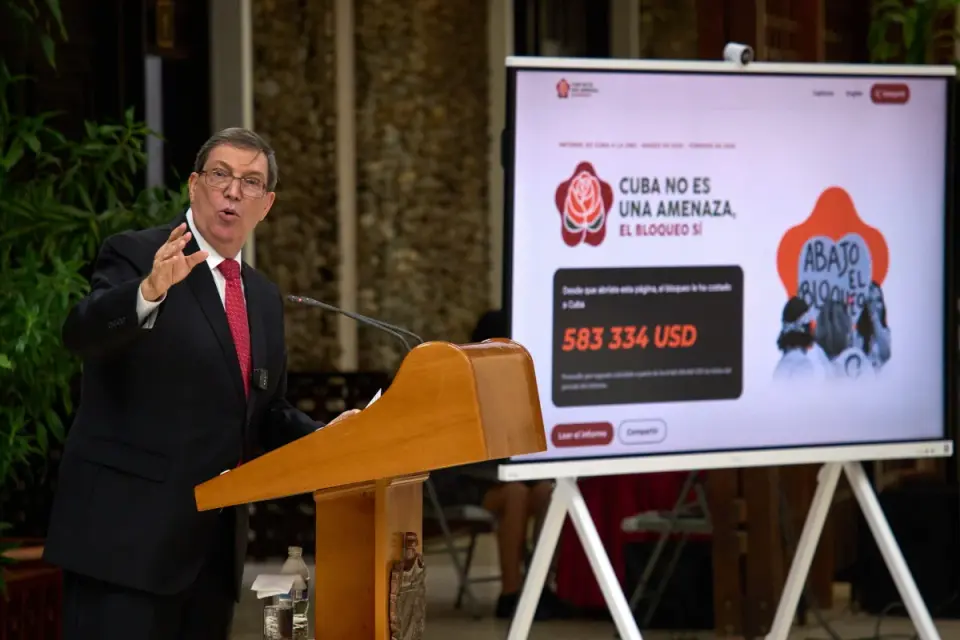
The UN General Assembly is set to vote on a resolution condemning the U.S. embargo on Cuba, a measure that has passed overwhelmingly for 34 years. The vote occurs as the Trump administration intensifies pressure, including tariffs on oil and threats of military intervention, leading to a physical confrontation between U.S. and Cuban diplomats at the UN.
Key points
- The UN General Assembly will vote Wednesday on a resolution condemning the U.S. economic embargo on Cuba, a non-binding measure that has passed with overwhelming support for 34 consecutive years.
- Last year's vote resulted in 165 votes in favor, seven against, and 12 abstentions; this year's outcome may see increased opposition or abstentions due to U.S. diplomatic pressure on Western allies.
- The U.S. embargo, originally imposed in 1960, has been intensified by President Trump's recent tariffs on countries supplying oil to Cuba, causing severe power outages and financial crises on the island.
- Tensions escalated when U.S. Ambassador Mike Waltz and Cuban Foreign Minister Bruno Rodríguez engaged in a shouting match on the UN floor, with Rodríguez accusing Waltz of lying and demanding he leave the podium.
- President Trump has recently threatened military intervention, suggesting U.S. warships could stop in Cuba on their return from the Iran conflict, marking a significant shift in diplomatic decorum.
Background
The U.S. embargo on Cuba was first imposed in 1960 following the revolution led by Fidel Castro, which nationalized U.S. properties. For decades, the annual UN vote has served as a symbolic expression of global opinion against the sanctions, though it lacks legal binding force. Recent developments include the U.S. Senate narrowly rejecting a resolution to end the Iran war in September 2026, highlighting broader tensions in U.S. foreign policy and military engagement.
Why it matters
The annual UN vote reflects global consensus on the U.S. embargo, but the current confrontation signals a potential shift in diplomatic norms. The intensification of economic pressure and military threats by the U.S. could exacerbate Cuba's financial crisis and strain relations with Western allies, potentially influencing the vote's outcome and broader geopolitical dynamics.
What to watch
The UN General Assembly will vote on the resolution condemning the U.S. embargo on Cuba. The outcome will indicate whether U.S. diplomatic efforts have swayed key countries to oppose or abstain from the measure. Additionally, the U.S. may continue to enforce oil tariffs and military threats, further impacting Cuba's economy and international relations.
Want the full story? Read the original reporting
Read on AP News