
Kagan Expands Fourth Amendment Protections Against Fragmented Surveillance
TL;DR
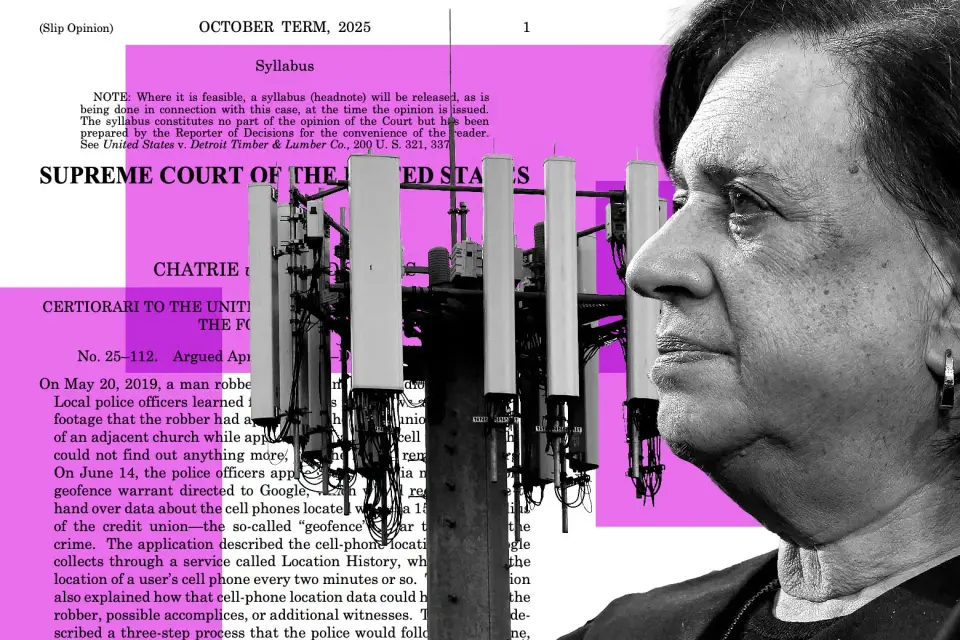
In Chatrie v. United States, Justice Elena Kagan rejects evaluating surveillance piece-by-piece, holding the Fourth Amendment protects against comprehensive digital data collection—from location history to cloud data—regardless of duration, and extends Carpenter’s emphasis on what data reveals to modern technology, signaling stronger constitutional privacy against fragmented or voluntary data sharing.
Topics:nationjurisprudence#carpenter-v-united-states#digital-privacy#fourth-amendment#geofence-warrants#jurisprudence#location-history
- Elena Kagan Just Bolstered the Fourth Amendment in a Badly Needed Way Slate Magazine
- Supreme Court restricts use of geofence warrants NPR
- Supreme Court rules your cellphone location data is protected by the Fourth Amendment The Conversation
- Court rules that law enforcement’s use of “geofence warrant” was a “search” SCOTUSblog
- Supreme Court rules constitutional privacy protections apply to cellphone users' location history AP News
Want the full story? Read the original reporting
Read on Slate Magazine