
Supreme Court to Hear Landmark Climate Liability Case as Alito Recusal Threatens 4-4 Split
The Supreme Court will hear oral arguments on October 5 in Suncor Energy v. Boulder, a pivotal case determining whether federal law preempts state-level climate damages claims against ExxonMobil and Suncor. The City and County of Boulder seek billions in damages for climate-related harms, alleging the companies misled the public. Justice Samuel Alito’s recusal creates a risk of a 4-4 split, which would uphold the lower court’s decision without setting a national precedent. The outcome could impact dozens of similar lawsuits across the US.
Key points
- Oral arguments for Suncor Energy v. Boulder are scheduled for October 5, 2026, focusing on whether federal law preempts state tort claims for climate damages.
- Boulder alleges Exxon and Suncor deceived the public about climate risks and seeks compensation for fires, floods, and droughts, while the companies argue such regulation is inherently a federal matter.
- Justice Samuel Alito recused himself from the case due to stock holdings in energy companies, creating a potential 4-4 split that would leave the Colorado Supreme Court’s ruling intact without establishing a broad precedent.
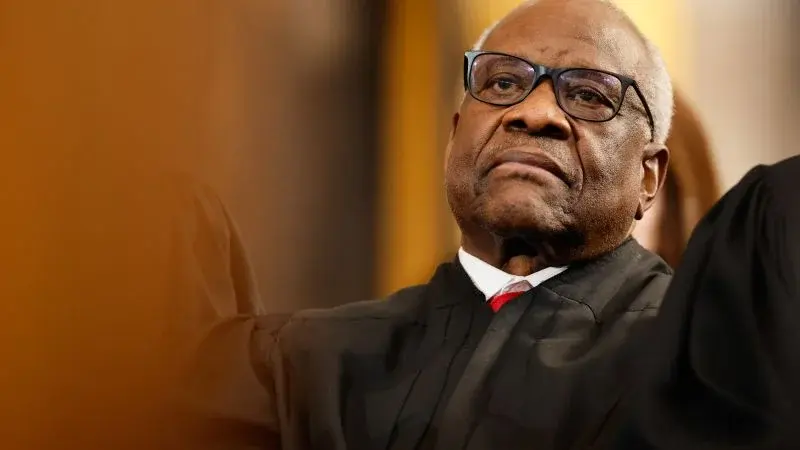
- Justices Clarence Thomas and Neil Gorsuch are viewed as pivotal; their recent opinions rejecting federal preemption in other contexts suggest they may support Boulder’s position that no specific federal statute blocks state lawsuits.
- The Trump administration supports the oil companies, but its recent rescission of EPA climate rules may weaken the argument that federal law exclusively governs greenhouse gas emissions.
Background
This case follows the Supreme Court’s acceptance of the appeal in February 2026 after the Colorado Supreme Court allowed Boulder’s lawsuit to proceed. Earlier this month, Justice Alito recused himself after environmental groups highlighted his holdings in energy stocks, reversing his previous stance that no conflict existed. The case is part of a broader wave of climate litigation in states like California and New York, where local governments seek damages from fossil fuel companies. The Trump administration’s recent rollback of EPA regulations has complicated the legal landscape, as it undermines the argument that federal law exclusively controls climate policy.
How outlets are covering it
CNN emphasizes the legal consistency of Justices Thomas and Gorsuch, noting their recent rejection of federal preemption in an Afghanistan case as a potential basis for supporting Boulder. Mother Jones frames the case as a tort dispute over corporate fraud, with ranchers and environmental groups arguing that the companies’ deception warrants liability. Axios highlights the procedural risk of a 4-4 split and the possibility that the Court may avoid the preemption question by ruling on jurisdiction. The Trump administration and industry allies argue that state lawsuits create a chaotic patchwork of regulations, while environmental groups contend that no federal statute explicitly preempts state tort claims. John Yoo, a former Thomas clerk, suggests the Court may side with the oil companies based on national security and foreign policy concerns, a view opposed by environmental advocates who argue the Clean Air Act does not provide a damages remedy for climate harms.
Why it matters
The ruling in Suncor v. Boulder will determine whether local governments can hold fossil fuel companies financially accountable for climate damages. A decision against Boulder could block dozens of similar lawsuits across the US, while a split or limited ruling may allow state-level litigation to continue. The case also tests the boundaries of federal preemption in environmental law, with implications for other areas such as pharmaceuticals and internet regulation. The outcome will shape the legal landscape for climate liability and influence future policy debates on federal versus state authority in addressing climate change.
What to watch
The Supreme Court will hear oral arguments on October 5, 2026. A decision is expected sometime in 2027. If the Court issues a 4-4 split, the Colorado Supreme Court’s ruling will stand, allowing Boulder’s lawsuit to proceed without setting a national precedent. If the Court rules on the merits, it could either block state-level climate lawsuits or allow them to continue, with potential ripple effects for other cases in California, New York, and Vermont. The Court may also punt the case by ruling it lacks jurisdiction, sending it back to state courts for further review.
- Clarence Thomas is in the hot seat for Supreme Court’s biggest climate case in years CNN
- The Supreme Court will hear a major climate change case involving a devastating Colorado wildfire AP News
- Opinion | A Recusal Question Justice Alito Can’t Avoid wsj.com
- Burned cattle, drought, smoke-choked pastures—and the SCOTUS case to make Exxon and Suncor pay Mother Jones
- What to watch in the Supreme Court's big climate case Axios
Want the full story? Read the original reporting
Read on CNN