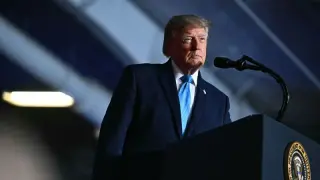
Trump faces a succession dilemma: his most loyal justices, Clarence Thomas and Samuel Alito, are also the oldest. If Democrats win the Senate in November, they could block any future Supreme Court appointments, forcing a strategic choice between immediate retirement or risking a Democratic-controlled confirmation process.
Senate leaders from both parties have signaled that a potential Supreme Court vacancy could trigger a historic confirmation standoff if Democrats win the 2026 midterms. While Republicans are prepared to push nominees through a lame-duck session, Democrats are vowing to block any Trump appointees, citing the precedent set by the 2016 Garland nomination.
With 29 days until the 2026 midterms, the Republican Party faces a severe polling crisis, with Democrats holding an 8.9% lead on the generic ballot and an 11-point party identification advantage. President Trump has shifted from confidence to visible anxiety, campaigning in deep-red states like Nebraska and South Carolina while acknowledging 'worried' races. The GOP is pivoting to Supreme Court stakes to energize voters, while internal fractures emerge in Texas, where candidates distance themselves from the president amid inflation concerns and a potential 'blue wave' comparable to 2006 and 2008.
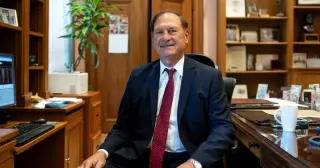
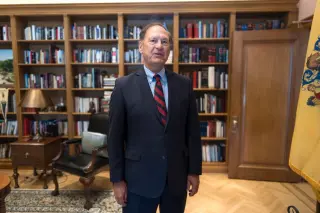
Supreme Court Justice Samuel Alito has confirmed he will not retire during the upcoming lame-duck session, intending to serve through the current term until June 2027. This decision removes the possibility of President Trump filling a vacancy before the new Congress convenes, a move that could be blocked if Democrats win the Senate majority in November. Alito, 76, stated he made this choice months ago, prioritizing his ability to contribute to the court over political calculations. The announcement comes as Senate control remains a tight race, with Democrats needing to flip at least four seats to potentially block future nominations. While Alito acknowledged considering retirement earlier this year, he emphasized that he does not feel physically or mentally decrepit and believes he can still make a significant contribution to the court's work.
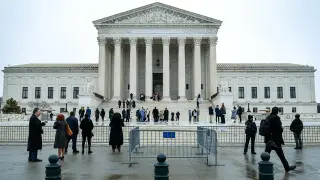
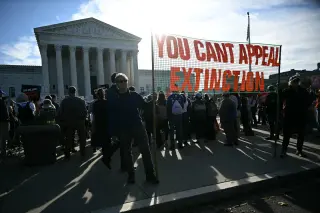
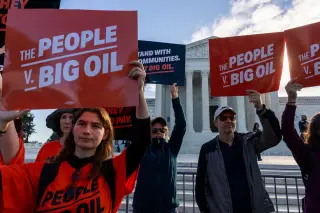
The Supreme Court heard oral arguments in Suncor v. Boulder, a pivotal case determining if federal law preempts state climate lawsuits against fossil fuel companies. With Justice Alito recused, a 4-4 split could leave the lower court’s ruling intact without setting national precedent. Justices signaled deep divisions, with liberals seeking procedural exits and conservatives emphasizing federal preemption, potentially impacting dozens of similar suits nationwide.
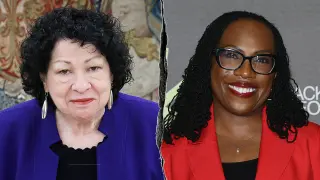
With 34 days left until the 2026 midterms, Republicans are intensifying warnings that losing Senate control would block President Trump from appointing Supreme Court justices, potentially freezing the court's composition for decades. While Democrats frame this as a necessary check against ideological appointments, GOP leaders argue that a Democratic majority would enable court-packing and other judicial overhauls. The urgency is heightened by the aging Supreme Court, with Justices Clarence Thomas, Samuel Alito, and Sonia Sotomayor nearing retirement. Trump has publicly expressed concern about losing key red-state races, while Democrats vow to block judicial nominees if they gain Senate control. The stakes extend beyond the court, with Republicans warning that a Democratic Congress could also pursue DC statehood and other structural changes.
Justice Samuel Alito has stated he intends to remain on the Supreme Court through the current term, dismissing speculation that he might retire to allow President Trump to appoint a successor before the November 3 midterms. Alito, 76, emphasized that his decision was made months ago and that he does not feel physically or mentally decrepit. This statement clarifies the political stakes surrounding the two oldest justices, Alito and Clarence Thomas, as polls indicate the Senate is up for grabs. While a post-election retirement would be unusual, it could allow Republicans to confirm a nominee before January 3, whereas a Democratic Senate would likely block such appointments. Alito also discussed his new book, 'So Ordered,' defending his originalist judicial philosophy and rejecting accusations that the conservative majority is driven by partisan results.
The Supreme Court heard oral arguments in Suncor Energy v. Boulder, a case determining whether federal law preempts state-level climate damages claims against fossil fuel companies. Justices appeared divided on both the merits and jurisdiction, with conservatives leaning toward preemption and liberals seeking procedural exits. The outcome could impact dozens of similar lawsuits nationwide.
The Supreme Court heard oral arguments in Suncor v. Boulder, a case determining if state laws can hold oil companies liable for climate damages. Justices signaled concern over a potential flood of lawsuits but struggled to find a clear legal basis to dismiss the case, with some seeking a procedural exit.
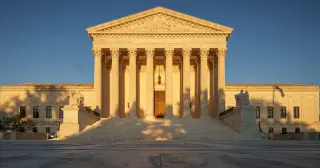
The Supreme Court heard arguments in Suncor v. Boulder on Monday, with Justice Samuel Alito recused, creating a risk of a 4-4 tie that would leave state climate lawsuits unresolved. Justices split on whether federal law preempts local government suits against fossil fuel companies for climate damages.
Justice Samuel Alito stated that the surge in Supreme Court emergency rulings is likely to continue as presidents increasingly use executive orders, bypassing Congress. He criticized the harsh rhetoric from political figures, noting it damages public trust in the court, though he maintains decisions are made on merit. Alito also explained his decision to recuse himself from a major climate change case involving oil companies, citing inherited stock holdings.
A federal judge in Maryland canceled a scheduled hearing regarding the deportation case of Kilmar Abrego Garcia, a Salvadoran national previously sent to a prison in El Salvador despite a court order. While the hearing was postponed, the Trump administration continues to seek his removal to a third country, citing potential destinations like Eswatini, Liberia, or Uganda. Abrego Garcia’s legal team argues that Costa Rica is the appropriate destination, as it has offered him refugee status and residency. The case remains active as the government pursues alternative removal options following the dismissal of criminal charges against him.
A federal judge in Florida has ruled that the decades-old federal statute criminalizing noncitizen voting is unconstitutional, dealing a significant blow to the Trump administration's aggressive enforcement campaign ahead of the 2026 midterm elections. The ruling, which dismisses a case against a Jamaican national, asserts that voter qualifications are a power reserved to the states, not Congress. While the decision applies only to the specific defendant, it puts dozens of pending federal cases at risk and has prompted the Justice Department to appeal to the 11th Circuit Court. The outcome could ultimately reach the Supreme Court, challenging the legal foundation of the administration's election integrity agenda.
The U.S. Supreme Court heard oral arguments on October 5 regarding a lawsuit by Boulder, Colorado, against ExxonMobil and Suncor Energy for climate-related damages. The eight-justice panel, missing Samuel Alito due to a recusal, showed no clear consensus, leaving the future of similar state lawsuits uncertain.
Senate Minority Leader Chuck Schumer and other Democrats have signaled they will refuse to confirm President Trump’s judicial nominees, including any Supreme Court candidate, if they win control of the Senate in the 2026 midterms. This stance mirrors the Republican strategy used against President Obama’s Merrick Garland nomination. The threat gains urgency after Justice Samuel Alito indicated he considered retirement, potentially creating a vacancy during Trump’s final term. Republicans argue this is partisan obstruction, while Democrats frame it as a necessary response to ideological appointments.