
Cornell Retires External Review as New York Debates Intoxication Consent Laws
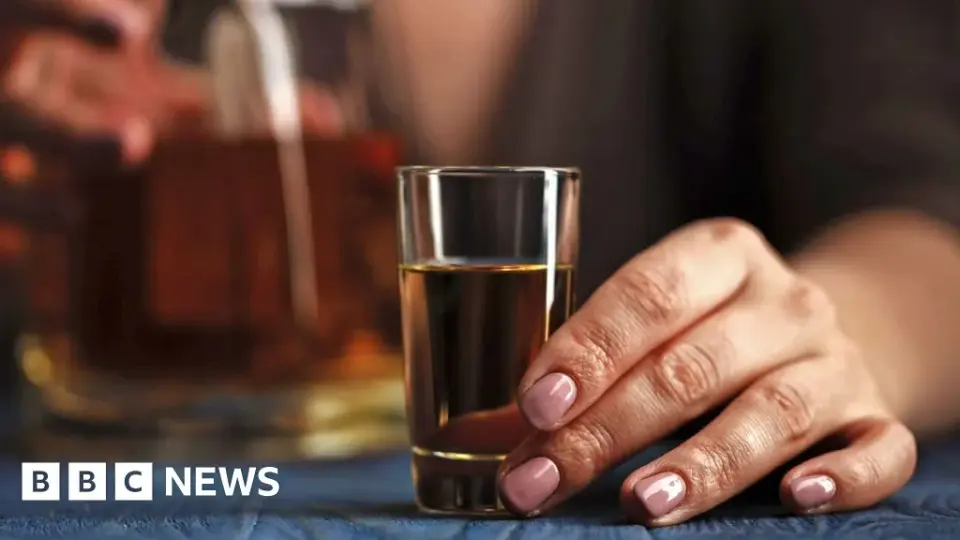
Cornell University has hired former US Deputy Attorney General Sally Yates to lead an independent review of its sexual misconduct policies following the 2024 alleged gang rape of a student. Simultaneously, New York officials are debating whether to amend state laws regarding 'voluntary intoxication,' which currently requires victims to prove they were physically incapacitated to consent. While the university’s disciplinary actions for the seven accused men range from expulsion to writing reflection papers, critics argue the current legal standard places an undue burden on victims who were intoxicated but not unconscious.
Key points
- Cornell’s Board of Trustees appointed Sally Yates to investigate the university’s handling of the Jane Doe case and broader sexual misconduct policies.
- The New York Senate has passed a bill to lower the bar for incapacitation, but the Assembly has not voted on it, leaving the 'voluntary intoxication' loophole in place.
- Disciplinary outcomes for the seven accused Chi Phi members varied significantly, with two expelled, two suspended, and three receiving lesser penalties like training or papers.
- Legal experts are divided on whether the current law is too vague or if the proposed changes are too broad to be fairly enforced.
Background
In early October 2026, New York Governor Kathy Hochul appointed Attorney General Letitia James as a special prosecutor to investigate the 2024 incident after criticizing the Tompkins County District Attorney for failing to review key evidence. This followed a lawsuit filed by the victim, known as Jane Doe, alleging she was drugged and assaulted by fraternity members. The case has sparked a broader debate in the US regarding how states define consent when a victim has voluntarily consumed alcohol or drugs.
How outlets are covering it
The New York Times detailed the specific disciplinary measures taken by Cornell, noting that sanctions ranged from expulsion to writing reflection papers, highlighting a lack of transparency in the university’s closed proceedings. The BBC emphasized the legal debate, noting that while Governor Hochul calls the current law a 'loophole,' former prosecutor Dan Schorr argues that the law already protects victims who are incapacitated, regardless of how they became intoxicated. Conversely, defense attorneys and some legal experts argue that the proposed legislative changes are too vague to be fairly enforced, warning that they could lead to inconsistent convictions. Cornell’s official statement frames the Yates review as a proactive step to improve campus safety, whereas critics view it as a response to public pressure and a failure of the university’s initial response.
Why it matters
This case highlights a critical gap in US sexual assault law regarding the definition of consent for intoxicated individuals. If New York fails to pass the proposed amendments, victims who are impaired but not unconscious may still face a high legal burden to prove non-consent. The outcome of the Yates review will also set a precedent for how universities handle Title IX and Clery Act compliance in the face of high-profile misconduct allegations.
What to watch
The Yates-led review will produce recommendations for Cornell’s policies, which the Board intends to share with the community. Meanwhile, New York lawmakers, including Representative Lea Webb, are pushing to bring the Senate-passed bill to a vote in the Assembly. The special prosecutor, Letitia James, will continue her investigation into whether the initial local authorities failed to properly review the victim's statements and evidence.
- How drunk is too drunk? Cornell rape allegations expose 'loopholes' in consent laws BBC
- Special committee of Board of Trustees retains Sally Yates of King & Spalding to lead independent review Cornell University
- How Cornell Punished Each of the 7 Men Accused of Sexual Assault The New York Times
- ‘Nothing has changed’: Cornell assault case reignites female fury The Boston Globe
- The ‘Cornell 7’ Lawsuit Has Reignited America’s Debate Over Sexual Consent WSJ
Want the full story? Read the original reporting
Read on BBC