
Texas uses same drug as Pike botch; legal experts debate second execution
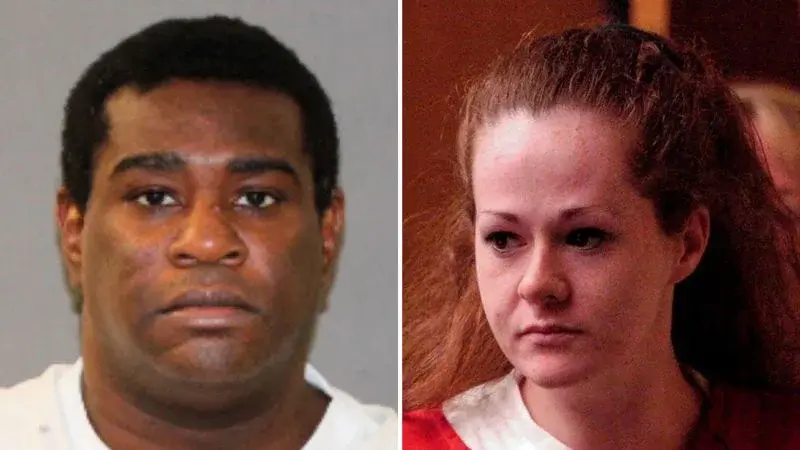
Christa Pike is recovering in a Tennessee hospital after surviving two doses of pentobarbital during a botched execution attempt on September 30. While she is now walking but suffering from arm swelling and cognitive fog, the state has paused executions for the year. Meanwhile, Texas used the same drug to execute Jamaal Howard on October 7, raising legal questions about whether a second attempt on Pike would violate the Eighth Amendment.
Key points
- Pike, 50, survived the lethal injection and is now walking, though her arms are swollen and she experiences mental fog, according to her lawyer Stephen Ferrell.
- Tennessee Governor Bill Lee has paused all executions for the remainder of 2026 to investigate the failure, while the state prisons chief has resigned.
- Texas executed Jamaal Howard on October 7 using pentobarbital, the same drug used in Pike's failed attempt, despite legal concerns raised by Pike's attorneys.
- Pike's legal team argues a second execution attempt would constitute cruel and unusual punishment, citing her unique physical conditions and the precedent of the 1947 Willie Francis case.
- A judge has ordered the preservation of all evidence from the execution room, including IV lines and syringes, to support potential future lawsuits.
Background
This incident follows the botched execution of Christa Pike in Tennessee on September 30, 2026. Pike, convicted in 1995 for the murder of Colleen Slemmer, is believed to be the first person to survive a lethal injection attempt in the U.S. The event occurred shortly before the execution of Jamaal Howard in Texas on October 7, 2026, which used the same drug, pentobarbital. The case has drawn comparisons to the 1947 Supreme Court case of Willie Francis, who survived a botched electrocution and was subsequently executed.
How outlets are covering it
CNN highlights the direct link between the drug used in Pike's failed attempt and the successful execution of Jamaal Howard in Texas, emphasizing the continuity of the practice despite the controversy. BBC focuses on Pike's physical recovery, noting that while she is walking, she faces potential permanent damage and cognitive issues, with her legal team urging a sentence commutation. ABC News provides historical legal context, contrasting Pike's situation with the 1947 Willie Francis case, where the Supreme Court ruled that a second execution attempt did not violate constitutional rights, though it notes that Pike's attorneys argue her case is distinct due to the 'accident' nature of the failure and her specific medical vulnerabilities.
Why it matters
The case tests the limits of the Eighth Amendment regarding repeated attempts at execution and the state's obligation to ensure lethal injection protocols are followed correctly. It also highlights the ongoing debate over the reliability of pentobarbital and the potential for permanent physical and psychological harm to inmates who survive failed executions.
What to watch
Tennessee Governor Bill Lee has ordered a pause on executions for the rest of 2026 to investigate the incident. The state is currently reviewing the evidence preserved by court order, and Pike's legal team is pushing for a commutation to life without parole. If the state decides to retry the execution, it will likely face a constitutional challenge based on the 'cruel and unusual punishment' clause.
- The lethal injection drug used in Christa Pike’s botched execution was just used in Texas. A look at the two cases CNN
- Christa Pike now walking after US execution went wrong, lawyer says BBC
- Christa Pike, Confused After Failed Tennessee Execution, Is at Center of Legal Storm The New York Times
- 'Accidents happen': What the Supreme Court has said about survivors of botched executions ABC News - Breaking News, Latest News and Videos
- A look at the legal fight ahead following Christa Pike's botched execution NPR
Want the full story? Read the original reporting
Read on CNN