
Hasan files habeas petition to delay Dec. 3 firing squad; Army bars three Fort Hood survivors from witnessing
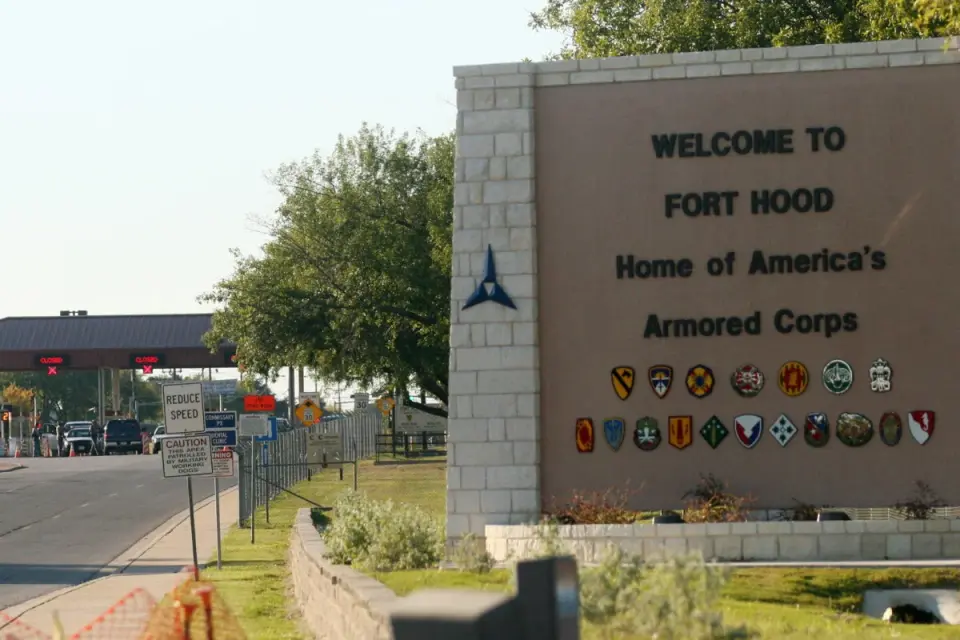
Nidal Hasan, the former Army major convicted of the 2009 Fort Hood mass shooting that killed 13 people, has filed a federal habeas corpus petition to delay his scheduled December 3 execution by firing squad. Simultaneously, the Army denied requests from three survivors to witness the execution, citing security and space constraints, a decision the survivors described as an institutional betrayal.
Key points
- Hasan’s legal team, including the ACLU of Kansas, filed a motion for a stay of execution to pursue federal review of his military conviction, a process experts say could stall the execution beyond President Trump’s term.
- The Army rejected requests from retired Colonel Kathy Platoni, retired Major C. Alan Hopewell, and civilian employee Julia Wilson to attend the execution, stating they did not meet the narrow definition of 'victim' under military regulations.
- The three survivors argued that the Uniform Code of Military Justice defines victims broadly to include those suffering emotional or physical harm, not just those struck by gunfire.
- The execution is set for 1 p.m. on December 3 at Fort Hood, the first military firing squad since World War II and the first military execution since 1961.
- Defense Secretary Pete Hegseth initially proposed livestreaming the event, but President Trump reversed that decision after bipartisan backlash and concerns over propaganda and the optics of executing a paralyzed man.
Background
Hasan was convicted in 2013 for the November 5, 2009 attack at Fort Hood, Texas, which he described as a jihad in protest of U.S. wars in Iraq and Afghanistan. The attack resulted in 13 deaths and over 30 injuries. In October 2026, President Trump approved the death sentence after Hasan exhausted military appeals. Plans to livestream the execution were scrapped in October following widespread opposition from lawmakers, religious leaders, and the public, with polls showing 80% of Americans opposed the broadcast.
How outlets are covering it
AP and The Guardian focused on the emotional impact on survivors, highlighting Platoni’s statement that the denial felt like a betrayal and Wilson’s description of 'institutional betrayal.' NBC News emphasized the legal strategy, noting that the habeas petition could effectively stall the execution for years and that the case has become a 'political spectacle.' ABC News detailed the specific experiences of the three denied survivors, including Wilson’s trauma and Hopewell’s duty to represent victims, while noting the Army’s refusal to comment on witness lists. All sources agreed on the factual timeline of the denial and the legal filing but differed in emphasis: legal procedure versus survivor advocacy.
Why it matters
The case tests the limits of military justice and federal oversight, with the habeas petition potentially delaying the execution indefinitely. The exclusion of survivors highlights tensions between strict military regulations and the psychological needs of those affected by mass violence. The controversy over livestreaming reflects broader societal debates about the spectacle of state executions and the balance between deterrence and dignity.
What to watch
The federal court will review Hasan’s habeas petition, a process that could take years. The Army has stated it will not release details about the firing squad protocols or the number of service members involved. Survivors have indicated they will continue to appeal the decision to the Department of Defense and lawmakers. The execution remains scheduled for December 3 unless the court grants a stay.
- Three Fort Hood shooting survivors lose final appeal to witness Nidal Hasan’s execution AP News
- Fort Hood survivors denied bid to witness shooter’s firing-squad execution The Guardian
- Fort Hood mass shooter makes legal move to stop Pentagon’s firing squad execution NBC News
- They want to watch Fort Hood shooter Nidal Hasan die but the Army won’t let them ABC News - Breaking News, Latest News and Videos
- Most Fort Hood soldiers will not go to work when the Army executes Nidal Hasan Task & Purpose
Want the full story? Read the original reporting
Read on AP News