
5th Circuit Hears Challenge to Texas Law Banning Overnight Campus Speech
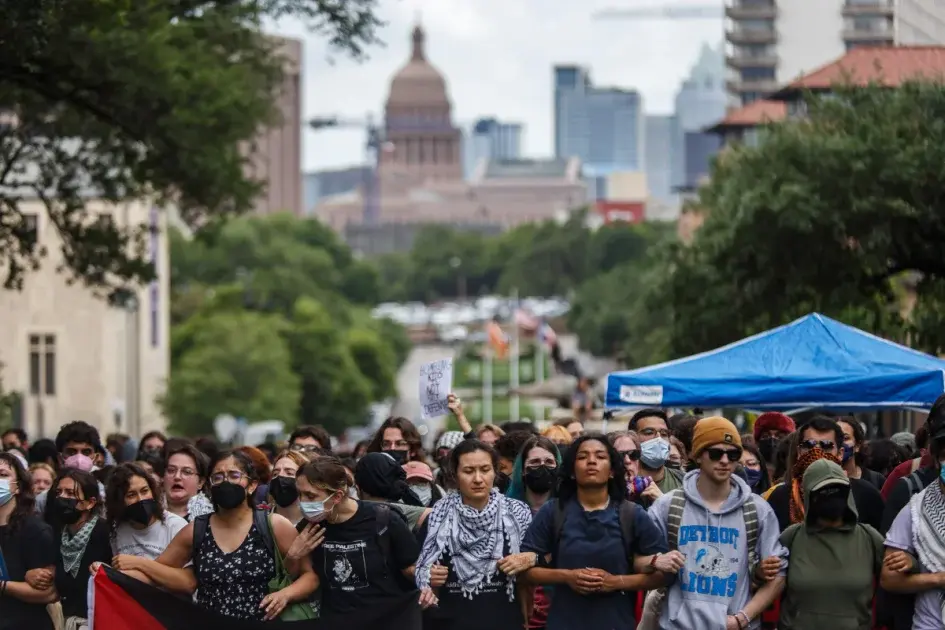
The U.S. Court of Appeals for the 5th Circuit heard arguments on Tuesday regarding Senate Bill 2972, a Texas law requiring public colleges to restrict expressive activity from 10 p.m. to 8 a.m. and during final exam periods. State lawyers argued the law merely directs campuses to create their own policies, while student advocates contended the statute itself imposes unconstitutional restrictions. A federal judge had previously blocked enforcement of the law, which took effect in September 2025 after nationwide pro-Palestinian protests.
Key points
- The 5th Circuit reviewed a temporary injunction blocking key parts of Senate Bill 2972, known as the Campus Protection Act.
- Assistant Solicitor General Daniel Ortner argued the law does not directly regulate students but requires colleges to adopt their own speech policies.
- Ortner acknowledged that a policy banning all overnight expressive activity would be difficult to defend under the First Amendment.
- Student lawyers, represented by the Foundation for Individual Rights and Expression, argued the state’s distinction between the law and campus policies is impractical.
- The law mandates that colleges prohibit invited speakers, amplified sound, and percussion during the final two weeks of a semester.
- A federal judge in Austin blocked enforcement in October 2025, finding the restrictions unconstitutionally broad.
Background
This case follows a pattern of Texas legislation facing First Amendment challenges, similar to the recent federal strike-down of the state’s drag-show ban. The current dispute arises from the 2024-2025 wave of campus protests, specifically the encampment at Columbia University and walkouts at UT-Austin, which prompted state officials to intervene with troopers and subsequently pass restrictive legislation. The legal battle centers on whether the state can mandate broad restrictions on speech to maintain order during exams and overnight hours without violating constitutional protections.
Why it matters
The outcome will determine whether Texas public colleges can enforce broad restrictions on student speech during nights and final exam periods. If the injunction is overturned, it could set a precedent for other states to implement similar 'quiet hours' or exam-period speech restrictions, potentially limiting student journalism, religious worship, and artistic expression. The case tests the limits of state authority to regulate campus speech in response to political unrest.
What to watch
The 5th Circuit must decide whether to uphold the temporary injunction blocking the law or allow its enforcement. If the court rules against the students, the law will take full effect, requiring Texas public colleges to enforce the specified restrictions. If the injunction is upheld, the law remains blocked while the constitutional challenge continues. The decision may also influence how other states approach campus speech regulations.
Want the full story? Read the original reporting
Read on The Texas Tribune