
Army Study Confirms ICE Shock Gloves Cause Pain and Fear
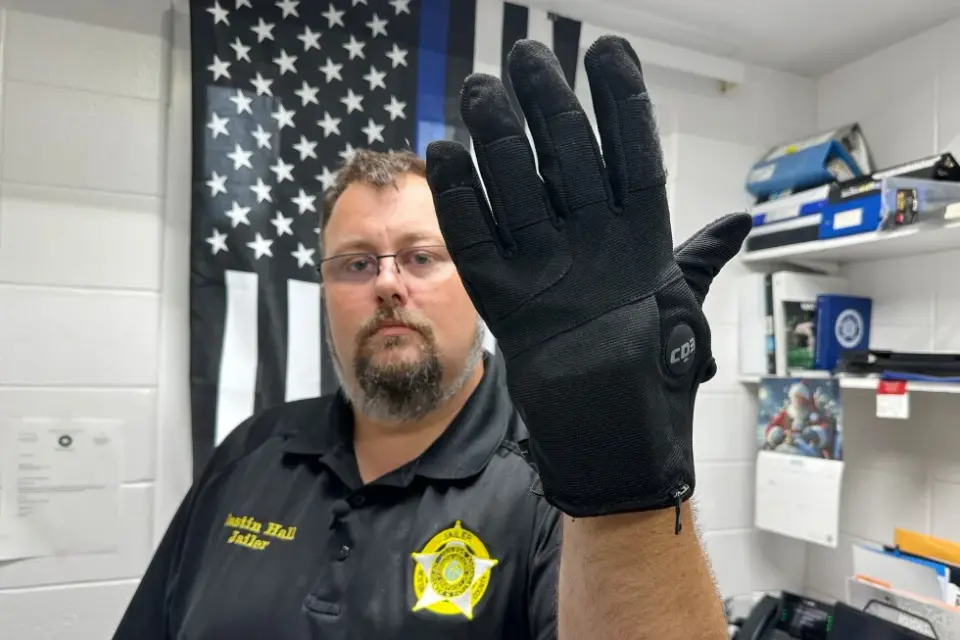
A U.S. Army study found that electric-shock gloves used by ICE officers cause pain, compliance, and fear, raising concerns about their use in immigration enforcement.
Key points
- A U.S. Army study concluded that the electric-shock gloves used by ICE officers cause pain, compliance, and fear.
- The study highlights the potential risks and ethical concerns associated with using such devices in immigration enforcement.
- The findings add to growing criticism of the use of electric-shock gloves by ICE, which has been a point of contention in recent policy debates.
Background
In August 2026, the Department of Homeland Security (DHS) announced plans to spend up to $20 million to equip ICE officers with Compliant Technologies’ G.L.O.V.E. electric-shock gloves. This move drew significant criticism from civil rights advocates who raised concerns about potential misuse and insufficient oversight. The device delivers 324–380 volts on skin contact and has been used in various settings, including police, schools, and healthcare facilities, with past incidents cited in Kentucky jails and Omaha schools. In September 2026, California Governor Gavin Newsom signed a package of bills that included a ban on electric-shock gloves, a 25% tax on private detention facilities, and restrictions on using state property for ICE operations. These measures aimed to increase oversight and accountability, though legal challenges from the federal government were expected.
Why it matters
The findings of the Army study underscore the ethical and practical concerns surrounding the use of electric-shock gloves in immigration enforcement. As these devices have been linked to pain, compliance, and fear, their use raises significant questions about the treatment of individuals in custody and the potential for misuse. This study adds to the broader debate over the balance between security and human rights in immigration enforcement, highlighting the need for rigorous oversight and accountability.
What to watch
The Army study's findings may lead to further scrutiny of the use of electric-shock gloves by ICE and other law enforcement agencies. There could be increased calls for policy changes, including bans or stricter regulations on the use of such devices. Additionally, the study may influence ongoing legal challenges and policy debates at both the state and federal levels, potentially leading to new legislation or court rulings on the matter.
Want the full story? Read the original reporting
Read on AP News