
Clavicular Pleads Not Guilty to Cape Cod Rape Charges
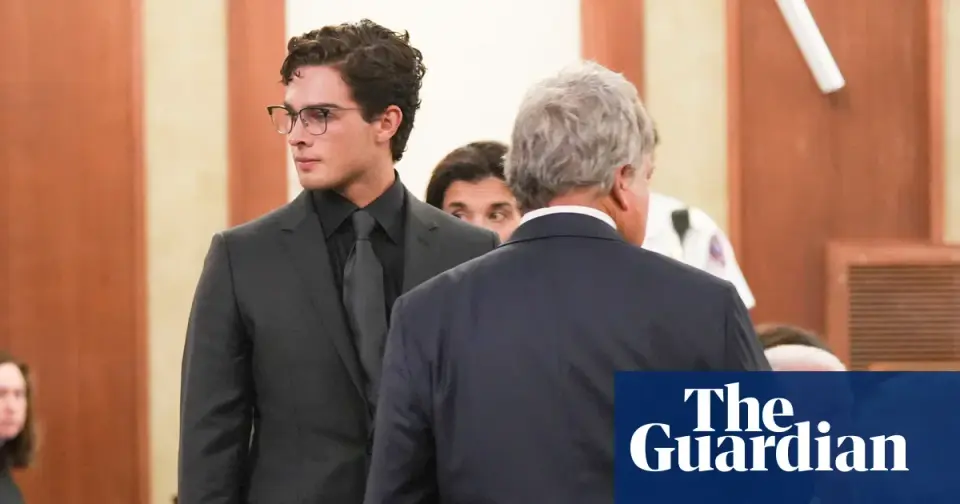
Braden Peters, the 20-year-old 'looksmaxxing' influencer known as Clavicular, pleaded not guilty to rape and related charges in Massachusetts on October 22. He faces allegations that he sexually assaulted a 17-year-old woman, identified as Alorah, at his family home in Chatham, Cape Cod, in May 2025. Peters was released on $10,000 bail and ordered to stay away from the accuser. Prosecutors allege he intoxicated her with vodka during a livestream before assaulting her while she slept. Peters maintains the encounter was consensual, while the accuser claims she was in shock and unable to consent.
Key points
- Peters pleaded not guilty to charges of rape, drugging a victim for sexual intercourse, and providing liquor to a minor in Orleans District Court.
- The alleged incident occurred on May 23, 2025, at a family home in Chatham, Massachusetts, where Peters livestreamed on Twitch.
- The accuser, then 17, told police she was given vodka and later woke up to find Peters sexually assaulting her.
- Peters posted $10,000 bail, surrendered his passport, and was ordered not to contact or post about the accuser.
- The case follows a civil lawsuit in Florida, where the accuser recently dropped sexual assault claims to avoid interfering with the criminal case.
Background
Peters has faced multiple legal issues in 2026, including a dropped misdemeanor battery charge in Florida and a probation sentence for firing a gun in public. He was also hospitalized in April for a suspected overdose. The current criminal case stems from a civil suit filed in Miami, which alleged similar misconduct, including the use of an unapproved fat-dissolving substance on the accuser during a November livestream. Formal criminal charges were issued in Massachusetts on September 8, 2026, following a probable cause hearing.
How outlets are covering it
The Guardian and WCVB focus on the arraignment details, noting Peters arrived with a barking dog and maintained a neutral expression. NBC News provides deeper insight into the defense strategy, highlighting a memo arguing the accuser willingly created content with Peters and continued to profit from their relationship after the alleged incident. NBC also notes the accuser dropped her civil sexual assault claims in Florida earlier in October to avoid interfering with the criminal case. All sources agree on the core charges and the not guilty plea, but NBC emphasizes the defense's argument that the accuser's motivations were financial, while The Guardian and WCVB focus more on the procedural aspects of the court appearance.
Why it matters
The case highlights the legal and ethical risks associated with the 'looksmaxxing' online subculture, where influencers often engage in controversial content involving minors and substance use. It also raises questions about the intersection of social media monetization and sexual exploitation, as the accuser was reportedly paid to appear in Peters' videos. The outcome may influence how platforms regulate content involving minors and the use of substances during livestreams.
What to watch
The next step in the legal process will likely be a pre-trial hearing or trial scheduling. Peters must comply with bail conditions, including no contact with the accuser and no public posting about her. The defense may continue to argue that the encounter was consensual, while prosecutors will focus on evidence of intoxication and lack of consent. The case may also be affected by the outcome of any related civil proceedings, though the accuser has dropped her sexual assault claims in Florida.
- ‘Looksmaxxing’ influencer Clavicular pleads not guilty to raping teen The Guardian
- ‘Looksmaxxing’ streamer known as Clavicular pleads not guilty to rape charge WOODTV.com
- Manosphere Influencer Clavicular Pleads Not Guilty to Rape Charge The New York Times
- Influencer 'Clavicular' appears in Cape Cod court on rape charge WCVB
- ‘Looksmaxxing’ influencer Clavicular pleads not guilty to Massachusetts rape charges NBC News
Want the full story? Read the original reporting
Read on The Guardian