
ICE Agent Morgan Battles State Assault Charges in Federal Jurisdiction Fight
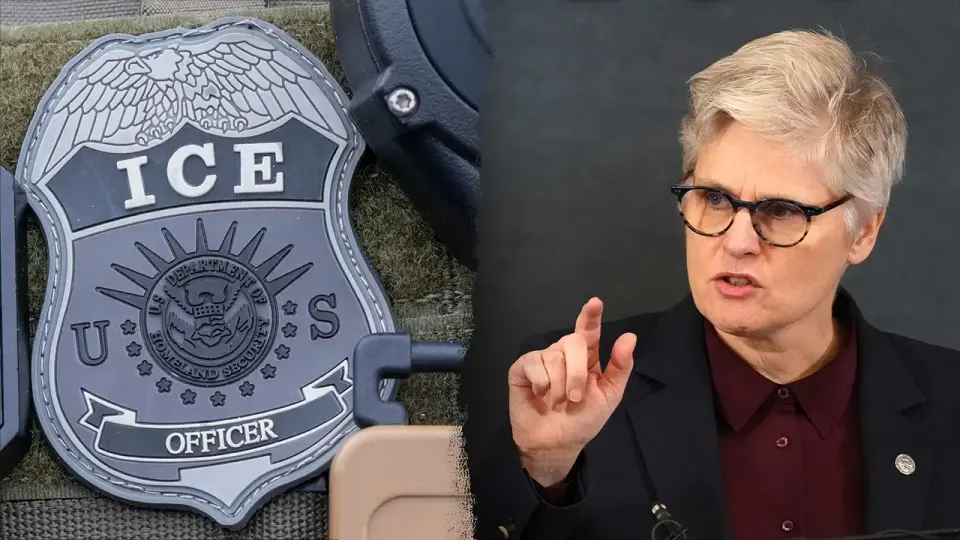
ICE agent Gregory Morgan faces up to six years in prison for two counts of second-degree assault with a dangerous weapon stemming from a February 5, 2026, highway encounter during Operation Metro Surge. Charged on April 16, Morgan is fighting to move the case from state to federal court, arguing his actions were connected to his official duties. Prosecutors allege he deliberately used the highway shoulder to bypass traffic and pointed his firearm at a Cadillac driver who attempted to slow him down. No one was injured in the incident. The case hinges on a federal law dating to the War of 1812, which allows federal officers to move state charges to federal court if the conduct is sufficiently connected to their duties. Morgan’s attorneys argue his authority to protect himself did not end when he left an enforcement site, while prosecutors claim he was no longer actively enforcing immigration law. A federal judge, Nancy Brasel, will decide the jurisdiction, with Morgan’s lawyers seeking dismissal under the Supremacy Clause if the case stays in federal court.
Key points
- Morgan was charged on April 16 with two counts of second-degree assault with a dangerous weapon for a February 5, 2026, highway encounter during Operation Metro Surge, in which no one was injured.
- Morgan’s attorneys argue he was returning to base under orders after leaving a hostile neighborhood where a protester had threatened to kill him, and that he mistakenly drove on the highway shoulder due to unfamiliarity with Minnesota roads.
- Prosecutors allege Morgan deliberately used the highway shoulder to bypass rush-hour traffic and pointed his firearm at the Cadillac’s occupants after the driver attempted to slow him down.
- The case hinges on a federal law dating to the War of 1812, which allows federal officers to move state charges to federal court if the conduct is sufficiently connected to their official duties and they have a plausible federal defense.
- Morgan’s attorneys argue his authority to protect himself and his fellow agent did not end when he left an enforcement site, while prosecutors claim he was no longer actively enforcing immigration law during the encounter.
- A federal judge, Nancy Brasel, will decide the jurisdiction, with Morgan’s lawyers seeking dismissal under the Supremacy Clause if the case stays in federal court.
Background
This case follows a pattern of state and local prosecutions of ICE agents for actions taken during immigration enforcement operations, including the October 2026 charges against ICE agent David Gonzalez III in Fresno, California, and ICE officer Mario Alberto Morales in Houston, Texas. These cases highlight ongoing tensions between local prosecutors and federal immigration authorities, with some local officials characterizing federal immigration operations as 'occupations' or 'stunts.' The Morgan case is seen as a potential precedent for how state and local prosecutors may pursue federal officers nationwide, with Morgan’s attorneys warning that the outcome could embolden state and local prosecutors to bring criminal charges against federal officers carrying out President Donald Trump’s immigration crackdown.
How outlets are covering it
Fox News and Mezha.net both report on the core facts of the case, including the charges, the highway encounter, and the jurisdictional fight. However, Fox News provides more detail on the legal arguments, including the War of 1812 law and the Supremacy Clause, and quotes from Morgan’s attorneys, Ryan Pacyga and Rachel Paulose, who characterize the prosecution as 'political grandstanding' and a 'stunt.' Mezha.net, while reporting the same facts, emphasizes the potential nationwide impact of the case, noting that Morgan’s lawyers warn the case could affect how state and local prosecutors pursue federal officers nationwide. Both sources agree that no one was injured in the incident, but Fox News provides more detail on the evidentiary hearing, including the Fifth Amendment rights invoked by the Cadillac occupants and Morgan’s testimony. Mezha.net also notes that Morgan has lost tens of thousands of dollars in income due to his reassignment, a detail not emphasized in Fox News.
Why it matters
The outcome of the Morgan case could set a precedent for how state and local prosecutors may pursue federal officers for actions taken during immigration enforcement operations. If the case stays in federal court, Morgan’s lawyers intend to seek dismissal under the Supremacy Clause, which could shield federal officers from state criminal liability for actions authorized by federal law. If the case goes to state court, Morgan’s lawyers are prepared to appeal to the Eighth Circuit. The case also highlights the financial and professional repercussions faced by federal officers who are prosecuted by state and local authorities, with Morgan having lost tens of thousands of dollars in income and facing the potential loss of his law enforcement career.
What to watch
U.S. District Judge Nancy Brasel will decide whether the case stays in federal court or is returned to state court. If the case stays in federal court, Morgan’s lawyers intend to seek dismissal under the Supremacy Clause. If the case goes to state court, Morgan’s lawyers are prepared to appeal to the Eighth Circuit. The case is expected to have far-reaching consequences, potentially emboldening state and local prosecutors nationwide to bring criminal charges against federal officers carrying out President Donald Trump’s immigration crackdown.
Want the full story? Read the original reporting
Read on Fox News