
Judge Halts Prosecutors' Midnight Filing in Ex-FBI Hunter Biden Case
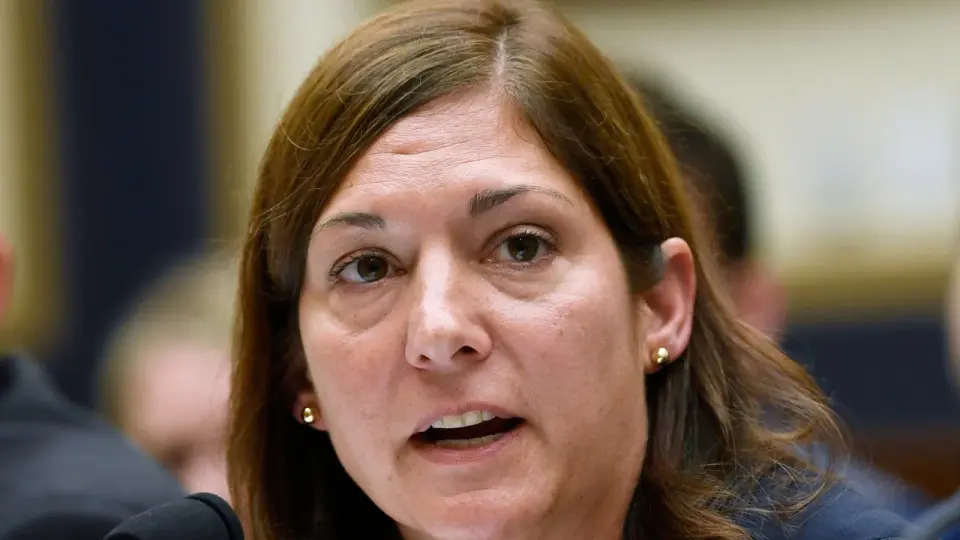
A federal judge refused to sign a new criminal complaint against former FBI officials Nikki Floris and Bradley Benavides, criticizing prosecutors for bypassing standard judicial approval. The complaint, filed by the D.C. U.S. Attorney's office, added obstruction charges to existing allegations of lying to Congress about the Hunter Biden investigation. Judge Zia Faruqui rejected the document, stating it was unsigned and unsworn, and ordered prosecutors to seek a grand jury indictment instead. Floris and Benavides were arrested on October 20 but have since been released. Defense attorneys called the move a bad-faith attempt to delay legal challenges and manipulate public perception ahead of midterm elections.
Key points
- Judge Zia Faruqui refused to sign the superseding complaint, calling it procedurally improper and unsigned.
- The new complaint added obstruction charges to the original allegations of false statements to Congress.
- Prosecutors filed the document overnight, hours before a scheduled preliminary hearing.
- Faruqui noted that cases involving past conduct typically require a grand jury indictment, not a criminal complaint.
- Defense attorneys argued the filing was a bad-faith attempt to shield the government's allegations from adversarial testing.
Background
This case follows earlier controversies involving federal charging procedures, such as the expanded torture charges against former Venezuelan President Nicolás Maduro in October 2026. It also aligns with recent DOJ actions, including the dropping of charges against former CIA analyst Sue Mi Terry. The current dispute highlights ongoing tensions between prosecutors and judges regarding the use of criminal complaints versus grand jury indictments for historical conduct.
Why it matters
The judge's intervention underscores strict adherence to judicial safeguards in criminal proceedings. By rejecting the unsigned complaint, Faruqui emphasized that prosecutors cannot bypass grand jury requirements for cases involving past conduct. This decision may set a precedent for how federal prosecutors handle superseding complaints, particularly in politically sensitive cases involving former officials and congressional investigations.
What to watch
Prosecutors must now seek a grand jury indictment to pursue the obstruction charges. If they fail to obtain an indictment within 30 days of the defendants' arrest, the case risks dismissal. The preliminary hearing for the original complaint will proceed, where Floris and Benavides can challenge the initial charges. The outcome will determine whether the case moves forward or is dismissed due to procedural irregularities.
Want the full story? Read the original reporting
Read on CNBC