
Judge Kuntz Rejects BBC Motion to Dismiss Trump's $10B Defamation Suit
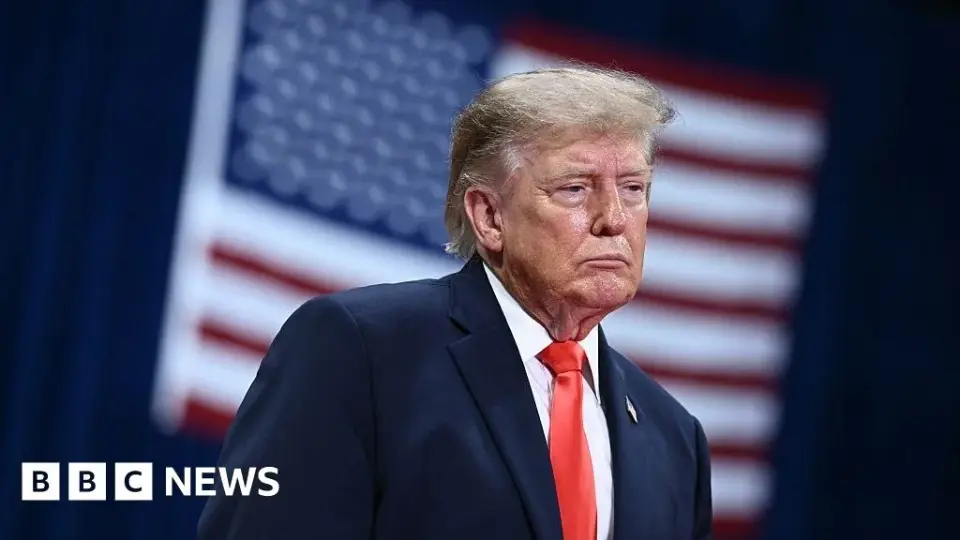
U.S. District Judge Jeffrey Kuntz ruled that President Donald Trump’s $10 billion defamation lawsuit against the BBC can proceed, rejecting the broadcaster’s motion to dismiss. The case centers on a 2024 documentary that edited Trump’s January 6, 2021, speech to imply he endorsed violence. While the judge found the editing plausibly defamatory, Trump must still prove actual damages and malice at trial.
Key points
- Judge Jeffrey Kuntz denied the BBC’s motion to dismiss, allowing Trump’s $10 billion defamation claim to move forward.
- The lawsuit stems from the BBC documentary 'Trump: A Second Chance,' which spliced comments from Trump’s January 6 speech that were nearly 55 minutes apart.
- The judge ruled that the editing plausibly established 'actual malice,' a legal standard required for public figures to win defamation cases.
- Kuntz dismissed Trump’s claim that the BBC violated Florida’s Deceptive and Unfair Trade Practices Act.
- Trump must still prove he suffered 'actual damages' from the documentary, which was not broadcast in Florida.
- The BBC apologized for the editing error but did not offer to pay damages, and its leadership stepped down in the aftermath.
Background
This ruling follows a series of procedural disputes in late 2026. In October, a Florida magistrate judge ordered Trump to sit for a deposition by December 11 or face sanctions, after his legal team canceled a previously agreed session. The BBC had also sought to compel this deposition, arguing that delays obstructed the core of the case. The current ruling allows the case to proceed to trial, which is scheduled for February 2027, despite the BBC’s arguments that the program aired only in England and that Trump had already accepted their apology.
How outlets are covering it
The BBC expressed surprise at the decision but stated it respects the court’s authority and remains confident in its position, noting it will continue to respond through the legal process. Trump hailed the ruling as a 'huge victory' on Truth Social, calling the BBC a 'terable abuser of truth' and vowing to defeat those who try to deceive the American people. The judge emphasized that while the editing may independently establish the plausibility of actual malice, Trump must still prove he sustained damages at summary judgment or trial. The BBC had contended that Trump lacked personal jurisdiction because the documentary did not air in Florida, but the judge ruled that Trump had sufficiently claimed jurisdiction due to extensive contacts tying the BBC to the state.
Why it matters
The ruling sets a precedent for how courts evaluate the plausibility of 'actual malice' in defamation cases involving public figures and media editing. It also highlights the ongoing legal battles between Trump and media outlets, with the case now moving toward a trial in February 2027. The decision underscores the significance of the documentary’s editing decision, which the judge noted was not merely 'trimming around the edges' but creating something different than what was stated in the speech.
What to watch
The case will proceed to the next stage, with a trial scheduled for February 2027. Trump must prove that he suffered 'actual damages' from the airing of the documentary, which was not broadcast in Florida. The BBC will continue to respond through the proper legal process, and the judge has noted that whether Trump can prove these claims and establish he sustained damages at summary judgment or trial is left for another day.
- Judge allows Trump's $10bn defamation case against BBC to proceed BBC
- Federal judge allows Trump’s $10bn defamation lawsuit against BBC to proceed The Guardian
- Judge rejects BBC’s motion to dismiss Trump libel suit Politico
- Judge Declines To Dismiss Donald Trump’s Defamation Claim Against BBC Deadline
- US judge says Trump’s $10 billion BBC defamation case can proceed Reuters
Want the full story? Read the original reporting
Read on BBC