
Judge rejects Lindsay Clancy defense claim that she did not kill her children
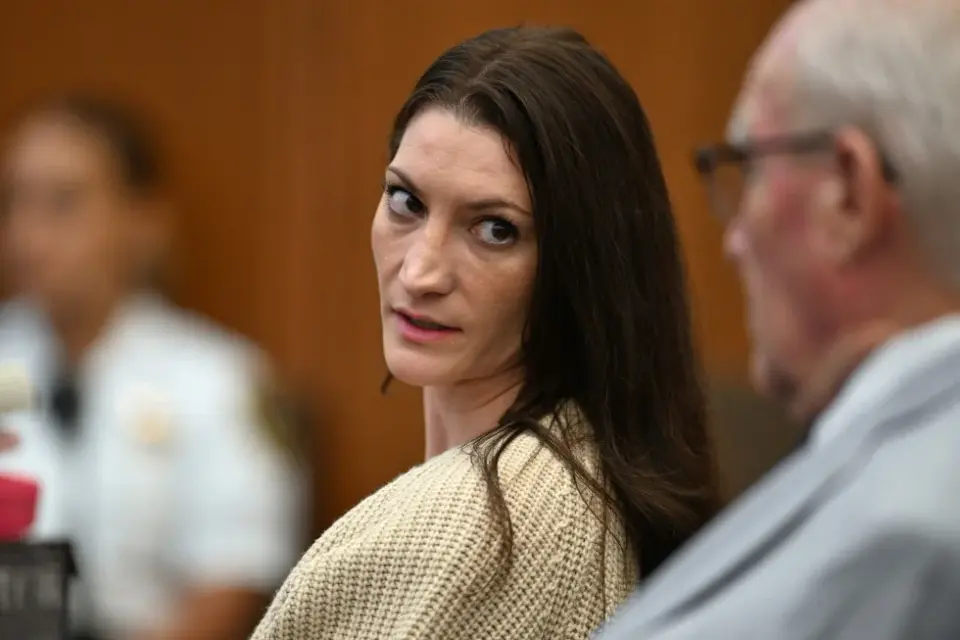
A Massachusetts judge denied a motion to acquit Lindsay Clancy after her defense attorney argued there was no evidence she killed her three children. The ruling rejects a new legal strategy that contradicts previous trial admissions, keeping the case alive for a retrial despite a prior mistrial.
Key points
- Judge William Sullivan denied a motion for a required finding of not guilty, stating the prosecution provided sufficient physical and circumstantial evidence to prove Clancy's criminal responsibility.
- Defense attorney Kevin Reddington argued that the state failed to prove Clancy committed the killings, a stance that contradicts his earlier pretrial offer to stipulate to the children's deaths.
- Prosecutor Shanan Buckingham noted this was the first time the defense argued there was no evidence Clancy committed the crime, emphasizing the voluminous record supporting her involvement.
- Clancy remains charged with murder and is expected to stay at a psychiatric hospital until her case is resolved, with a hearing scheduled for November 2.
- The judge ruled that mental illness alone does not preclude a finding of criminal responsibility, rejecting the defense's argument that postpartum psychosis negated her actions.
Background
Lindsay Clancy, 36, is accused of killing her three children, Cora (5), Dawson (3), and Callan (8 months), at their Duxbury, Massachusetts home on January 24, 2023. Her defense has consistently argued she suffered from postpartum psychosis, which impaired her judgment. A previous trial ended in a mistrial on September 4 after jurors deadlocked, with 11 jurors favoring acquittal and one dissenting. The case has drawn intense public interest and sparked debates about maternal mental health and the legal standards for insanity defenses.
How outlets are covering it
The Washington Post frames the defense's new argument as a routine but unlikely legal strategy, noting that Reddington previously conceded the killings during the trial. Fox News emphasizes the judge's ruling that mental illness does not automatically negate criminal responsibility, highlighting the prosecution's focus on premeditation and extreme cruelty. WCVB reports on the judge's surprise at the defense's sudden shift in strategy, noting that Reddington had previously offered to admit to the killings. AP News provides a neutral overview, focusing on the judge's denial and the ongoing legal proceedings. All sources agree that the case will proceed to a retrial unless further motions are successful.
Why it matters
The ruling sets a precedent for how courts handle defense strategies that contradict prior admissions in high-profile mental health cases. It underscores the legal threshold for proving criminal responsibility despite severe mental illness, potentially influencing future cases involving postpartum psychosis and insanity defenses.
What to watch
Clancy is due back in court on November 2 for a hearing on her pending double jeopardy motion and a request for an inquiry into the lone holdout juror from the previous trial. The case is expected to proceed to a retrial unless further legal motions are successful.
- Judge denies defense motion asking Lindsay Clancy be found not guilty due to a lack of evidence AP News
- Why Lindsay Clancy’s lawyer is disputing whether she killed her children The Washington Post
- Judge denies motion asking for Lindsay Clancy to be found not guilty due to lack of evidence PBS
- Court denies Reddington motion to find Lindsay Clancy not guilty in murder of 3 children WCVB
- Lindsay Clancy's motion for a finding of not guilty denied weeks after mistrial foxnews.com
Want the full story? Read the original reporting
Read on AP News