
Lawsuit Alleges AI Gun-Detection Error Led to Armed Police Detaining Baltimore Teens
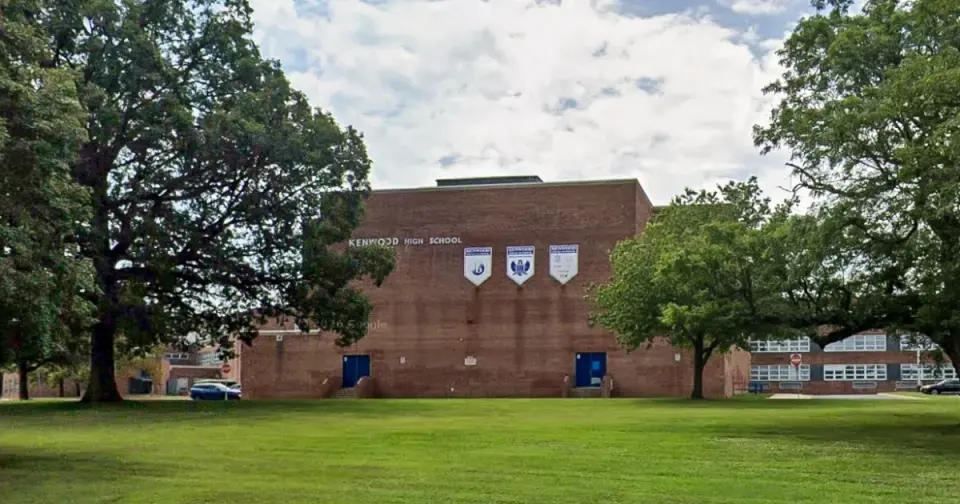
Four Black teenagers in Baltimore County have filed a civil rights lawsuit alleging that an artificial intelligence surveillance system falsely identified a bag of chips as a firearm, triggering a violent police response. The incident occurred on October 20, 2025, outside Kenwood High School, where officers surrounded the students, forced them to the ground, and handcuffed them. The lawsuit claims that despite school and police officials canceling the alert after verifying no weapon was present, armed officers were still dispatched due to a lack of proper protocols. The complaint names the AI provider Omnilert, the school district, and local police, seeking damages and procedural reforms to prevent future false alarms from leading to armed confrontations.
Key points
- The lawsuit was filed on November 17, 2026, in the Circuit Court for Baltimore County by the Lawyers' Committee for Civil Rights Under Law on behalf of four students: Taki Allen, Yui-Osa Ogbeide, Devon Thompson Jr., and Keith Winfield III.
- The incident occurred on October 20, 2025, when the students were waiting outside Kenwood High School for a ride home from football practice. One student was eating Cool Ranch Doritos given by his coach.
- The Omnilert AI system flagged the bag of chips as a gun with a 90% probability, prompting an armed police response. At least six officers arrived with guns drawn, forcing the teens to their knees and searching them.
- The complaint alleges that although school and police officials canceled the alert after determining it was a mistake, the principal sent a screenshot of the footage to the school resource officer, who forwarded it to the police, triggering the response.
- The lawsuit seeks to reform local police and school procedures, demanding better verification of AI alerts, more training, and transparency regarding the use of AI technology in public safety.
Background
This case highlights growing concerns about the reliability of AI-powered surveillance systems in public safety, particularly in schools. Previous incidents have raised questions about the accuracy of such technologies and their potential to disproportionately impact Black communities. The lawsuit follows a November 2025 report by the Maryland Office of the Inspector General for Education, which found no evidence of racial bias in the incident but noted that the Omnilert system perceived the student's hand movement as a potential threat. The case is part of a broader national debate on the regulation and oversight of AI in criminal justice and education.
How outlets are covering it
The primary source, NBC News, emphasizes the emotional impact on the students and the failure of the AI system to correctly identify the bag of chips. The secondary source, The New York Times, focuses on the civil rights violations and the immediate police response. The Lawyers' Committee for Civil Rights Under Law, which filed the lawsuit, highlights the systemic failures in communication and coordination between school and police officials, as well as the need for better protocols to prevent false alerts from triggering armed responses. The Maryland Office of the Inspector General for Education, in a November 2025 report, found no evidence of racial bias but noted that the Omnilert system perceived the student's hand movement as a potential threat, suggesting that the error was due to the AI's interpretation of movement rather than the object itself.
Why it matters
This case underscores the risks of relying on AI technology for public safety, particularly in schools. The incident highlights the potential for false alarms to lead to traumatic and potentially dangerous encounters with law enforcement, especially for Black students. The lawsuit seeks to hold the AI provider, school district, and police department accountable for their roles in the incident and to push for reforms that ensure AI systems are used responsibly and with proper oversight. The case also raises broader questions about the regulation and transparency of AI in public safety, as well as the need for better communication and coordination between school and police officials to prevent similar incidents in the future.
What to watch
The lawsuit is expected to proceed through the Circuit Court for Baltimore County, where the plaintiffs will seek damages and procedural reforms. The case may also prompt broader discussions about the use of AI in public safety and the need for better regulation and oversight of such technologies. The Lawyers' Committee for Civil Rights Under Law has indicated that the case holds lessons for educators and police officials across the country, and they may use the case to advocate for changes in how AI is used in schools and public safety. The outcome of the case could have significant implications for the use of AI in public safety and the protection of civil rights, particularly for Black communities.
- Teens say AI surveillance system at Baltimore school mistook Doritos bag for a gun NBC News
- A.I. Mistook a Bag of Chips for a Gun, Teenagers’ Lawsuit Says The New York Times
- Students sue Baltimore County schools after AI weapons detection system mistook chips for gun The Baltimore Banner
- Baltimore County schools, police sued for AI software ‘bag of chips’ mistake Maryland Matters
- Lawyers’ Committee Files Lawsuit on Behalf of Black Students Detained and Searched Due to AI Alert Falsely Identifying a Bag of Chips as a Firearm Lawyers' Committee for Civil Rights Under Law
Want the full story? Read the original reporting
Read on NBC News