
Utah Judge Frees Douglas Carter After 41 Years on Death Row Following DNA Exclusion
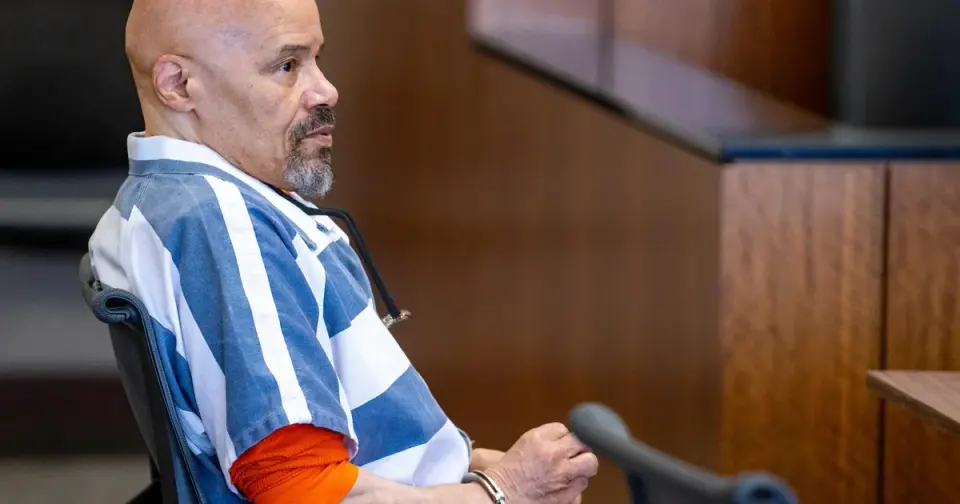
A Utah judge ordered the release of Douglas Carter on bail after he spent 41 years in prison, including decades on death row, for the 1985 murder of Eva Olesen. The decision followed new DNA testing that excluded Carter from crime scene samples and prosecutors withdrawing their request for the death penalty. Carter, now 71, faces strict bail conditions, including a GPS monitor and curfew, while the victim's family opposes his release. His attorneys argue he is innocent and call for the case to be dismissed, citing evidence of police misconduct and coerced confessions.
Key points
- Judge Derek Pullan granted bail to Douglas Carter on September 28, 2026, after new DNA analysis excluded him from blood and genetic material found at the 1985 crime scene.
- Carter, 71, had been incarcerated for 41 years, including time on death row, for the murder of Eva Olesen, a 57-year-old woman killed in her Provo home.
- Prosecutors withdrew their intent to seek the death penalty in the upcoming retrial, citing the DNA results, but the aggravated murder charge remains active.
- The victim's family, including daughter-in-law Theresa Olesen, opposed the release, arguing that the lack of a DNA match does not prove Carter's innocence and that he poses a risk.
- Carter's defense attorney, Neal Hamilton, called for the case to be dismissed and for an independent investigation into police misconduct, including the coercion of Carter's confession and the suppression of evidence regarding other suspects.
Background
Carter was convicted in 1985 based on a signed confession and testimony from two witnesses who later recanted, claiming they were bribed and threatened by police. In 2022, Judge Pullan vacated the conviction due to misconduct, and the Utah Supreme Court ordered a new trial in 2025. Carter has maintained his innocence, stating the confession was coerced to protect a friend held alongside him during interrogation.
How outlets are covering it
CBS News and KSL.com emphasize the DNA exclusion and the withdrawal of the death penalty as key factors in the release, while noting the victim's family's opposition. The Salt Lake Tribune highlights the defense's call for a factual innocence petition and an independent investigation into police misconduct, including the role of then-Lieutenant George Pierpont. KUTV's coverage is limited to the bond hearing, focusing on the procedural aspects of the release. All sources agree on the basic facts of the release and the conditions imposed, but differ in emphasis on the ongoing legal and ethical questions surrounding the case.
Why it matters
The release of Douglas Carter after 41 years underscores the importance of DNA evidence in overturning wrongful convictions and highlights the need for accountability in police misconduct. It also raises questions about the adequacy of bail conditions for high-profile cases and the impact of prolonged incarceration on individuals and their families.
What to watch
Carter will live under strict bail conditions, including a GPS monitor and curfew, while awaiting a retrial scheduled for July 2027. His attorneys are pursuing a factual innocence petition and an independent investigation into the prosecution. The victim's family is expected to continue opposing the release and may seek further legal action.
- Man who spent decades on death row in Utah ordered released on bail after no DNA match CBS News
- Douglas Carter released on bail after 41 years behind bars KSL.com
- Former Utah death row inmate walked out of jail — but aggravated murder charge remains The Salt Lake Tribune
- Former Utah death row inmate appears in court for bond hearing 40 years after conviction KUTV
- Bond hearing set for Douglas Carter after death penalty dropped: What happens next? ABC4 Utah
Want the full story? Read the original reporting
Read on CBS News