
Arbitrator Rules Washington Post Wrongfully Fired Opinion Editor Karen Attiah
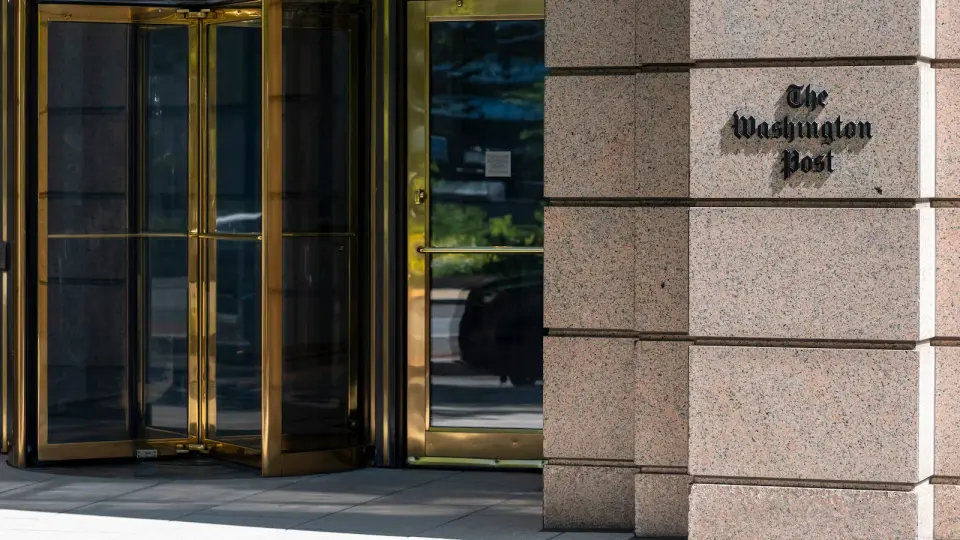
An independent arbitrator has ordered The Washington Post to reinstate opinion editor Karen Attiah and pay her back wages after she was fired in September 2025 for social media posts regarding the killing of Charlie Kirk. The ruling found that the newspaper lacked sufficient cause for termination and violated its collective bargaining agreement. Attiah, who was the only Black female opinion writer at the time, had posted comments criticizing the performative mourning of Kirk, a conservative activist who had previously made controversial statements about race. The arbitrator rejected the Post’s claims of security risks and gross misconduct, deeming the rapid termination disproportionate. This decision is viewed by advocates as a landmark victory for press freedom and union protections against corporate retaliation.
Key points
- Arbitrator Sarah Miller Espinosa ruled that The Washington Post did not have 'good and sufficient cause' to terminate Karen Attiah, ordering her immediate reinstatement and full back pay.
- Attiah was fired on September 11, 2025, one day after Charlie Kirk was killed, for posting on Bluesky that refusing to mourn a 'white man that espoused violence' was not an act of violence.
- The Post cited 'gross misconduct' and potential security risks to staff as reasons for the termination, but the arbitrator found these justifications unsupportable and the decision disproportionate.
- Attiah was the founding global opinion editor and the only Black female opinion writer at the Post at the time of her dismissal.
- The ruling was supported by the Washington-Baltimore News Guild and the Democracy Defenders Fund, which described it as a landmark moment for press freedom and union rights.
Background
This case follows the September 2025 assassination of conservative activist Charlie Kirk at Utah Valley University, an event that triggered widespread public debate and several high-profile firings across various industries. Attiah had previously served as the editor for Jamal Khashoggi before his murder, a background that advocates highlighted to underscore her commitment to free speech. The arbitration hearing took place in June 2026, with the final ruling issued in August 2026.
How outlets are covering it
The Washington Post maintained that Attiah’s posts violated its social media policy by harming the organization’s integrity and endangering staff safety. Opinion editor Adam O’Neal testified that the comments were 'beyond the pale' and created a security concern. In contrast, Attiah and her legal team, including the Democracy Defenders Fund, argued that her comments were within her professional mandate as an opinion writer and did not constitute misconduct. The arbitrator sided with Attiah, stating that the Post attempted to hold her accountable for external threats rather than her own words. The New York Times reported the ruling as a significant legal precedent, while The Guardian emphasized the arbitrator’s finding that the termination was 'absolutely disproportional.'
Why it matters
The ruling sets a precedent for the limits of corporate media discipline regarding employee speech, particularly in the context of polarizing public figures. It affirms that union protections and collective bargaining agreements can override internal social media policies when termination lacks just cause. The case highlights ongoing tensions between press freedom, corporate control, and the safety of newsroom staff in a polarized political environment.
What to watch
The Washington Post has stated it respects the arbitration process but has not indicated whether it will appeal the ruling. Attiah has called for further action, suggesting 'more to come soon' in her public statements. The outcome may influence future labor disputes in media organizations regarding the scope of employee speech and the application of 'gross misconduct' standards.
- Washington Post ordered to reinstate Black opinion writer fired after Charlie Kirk posts ABC News - Breaking News, Latest News and Videos
- Washington Post Ordered to Rehire Fired Columnist Karen Attiah The New York Times
- Washington Post ordered to reinstate opinion writer fired over Charlie Kirk posts The Guardian
- Karen Attiah Secures Landmark First Amendment Victory in Wrongful Termination Case Against The Washington Post Democracy Defenders Fund
- WaPo has been ordered to rehire Karen Attiah, who was fired for posts about white men following Charlie Kirk's killing Business Insider
Want the full story? Read the original reporting
Read on ABC News - Breaking News, Latest News and Videos