
Arbitrator Rules Washington Post Must Reinstate Karen Attiah After Kirk-Related Firing
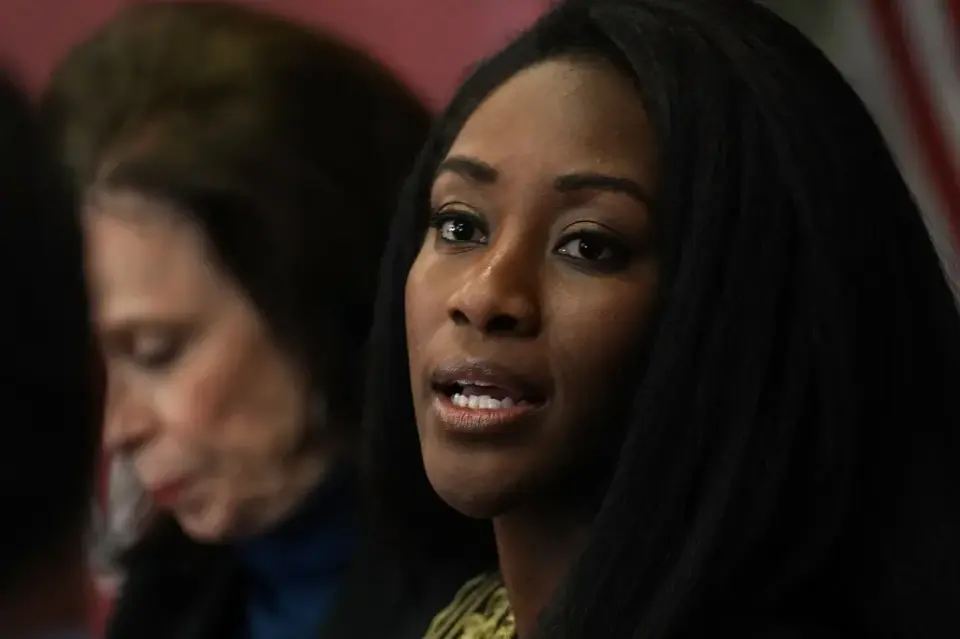
An independent arbitrator has ruled that The Washington Post must reinstate opinion columnist Karen Attiah and provide back pay, finding her September 2025 termination violated collective bargaining agreements. Attiah was fired for social media posts criticizing 'white men who espouse hatred' following the assassination of conservative activist Charlie Kirk. The arbitrator, Sarah Miller Espinosa, determined the Post lacked 'good and sufficient cause' for dismissal, rejecting arguments that Attiah’s comments constituted gross misconduct or created security risks. The ruling, supported by the Washington-Baltimore News Guild and the Democracy Defenders Fund, highlights tensions between editorial standards and press freedom. Attiah, the last full-time Black opinion columnist at the paper, stated the decision confirms her right to perform her job as an opinion journalist. The Post has not confirmed whether it will appeal the decision.
Key points
- Arbitrator Sarah Miller Espinosa ordered The Washington Post to reinstate Karen Attiah and pay back wages, ruling the firing violated the collective bargaining agreement.
- Attiah was terminated in September 2025 for social media posts made after the assassination of Charlie Kirk, which criticized 'white men who espouse hatred and violence.'
- The Post argued Attiah’s posts violated its social media policy and posed security risks, but the arbitrator deemed the termination 'absolutely disproportional' and lacking sufficient cause.
- The Washington-Baltimore News Guild and the Democracy Defenders Fund supported Attiah, framing the ruling as a landmark for press freedom and protection against arbitrary firings.
- Attiah, who joined the Post in 2014, was the last full-time Black opinion columnist at the publication; the Post declined to comment on the ruling beyond respecting the arbitration process.
Background
This ruling follows Attiah’s termination in September 2025, shortly after the assassination of conservative activist Charlie Kirk. The Post cited its social media policy, which requires employees to avoid conduct that harms the newspaper’s editorial integrity. Attiah’s posts, which referenced Kirk’s past comments and criticized performative mourning, were deemed by the Post’s leadership to be 'beyond the pale' and a security concern. The arbitration process was initiated by the Washington-Baltimore News Guild, which argued Attiah’s firing was pretextual and penalized her for speech within her job description. The decision comes amid broader financial and editorial shifts at the Post, including layoffs and a restructured opinion section under owner Jeff Bezos.
How outlets are covering it
The New York Times and Deadline emphasized the arbitrator’s finding that the Post violated its labor agreement and lacked sufficient cause for termination, highlighting Attiah’s statement that she was 'doing her job as an opinion journalist.' The Guardian detailed the Post’s internal response, noting that opinion editor Adam O’Neal called Attiah’s posts 'completely unacceptable' and that leadership decided on termination within four hours. Al Jazeera contextualized the firing within a broader conservative campaign targeting individuals who made comments about Kirk’s assassination deemed offensive, while noting the Post’s financial pressures and editorial shifts under Bezos. All sources agreed on the arbitrator’s ruling but differed in emphasis: The Times and Deadline focused on the legal and labor aspects, while The Guardian and Al Jazeera highlighted the security and editorial integrity arguments made by the Post.
Why it matters
The ruling sets a precedent for press freedom and labor protections in media, particularly regarding the boundaries of opinion journalism and social media conduct. It underscores the tension between editorial standards and the right to express opinions, especially in politically charged contexts. The decision may influence future cases involving journalists fired for social media posts and highlights the role of unions in protecting employees from arbitrary terminations. It also raises questions about the Post’s editorial direction and the impact of financial pressures on newsroom decisions.
What to watch
The Washington Post has not confirmed whether it will appeal the arbitration ruling. Attiah’s reinstatement and back pay are expected to be implemented, though the timeline is unclear. The ruling may prompt further discussions about the Post’s social media policy and its application to opinion writers. The case could also influence other media organizations’ approaches to employee conduct and press freedom, particularly in politically sensitive contexts.
- Arbitrator Orders Washington Post To Reinstate Columnist Karen Attiah Deadline
- Washington Post Ordered to Rehire Fired Columnist Karen Attiah The New York Times
- Washington Post ordered to rehire columnist fired over Charlie Kirk posts Al Jazeera
- Washington Post ordered to reinstate opinion writer fired over Charlie Kirk posts The Guardian
- Karen Attiah Secures Landmark First Amendment Victory in Wrongful Termination Case Against The Washington Post Democracy Defenders Fund
Want the full story? Read the original reporting
Read on Deadline