
Social Media 'Forensic Fandom' Distorts Lindsay Clancy Trial as Jurors Deliberate
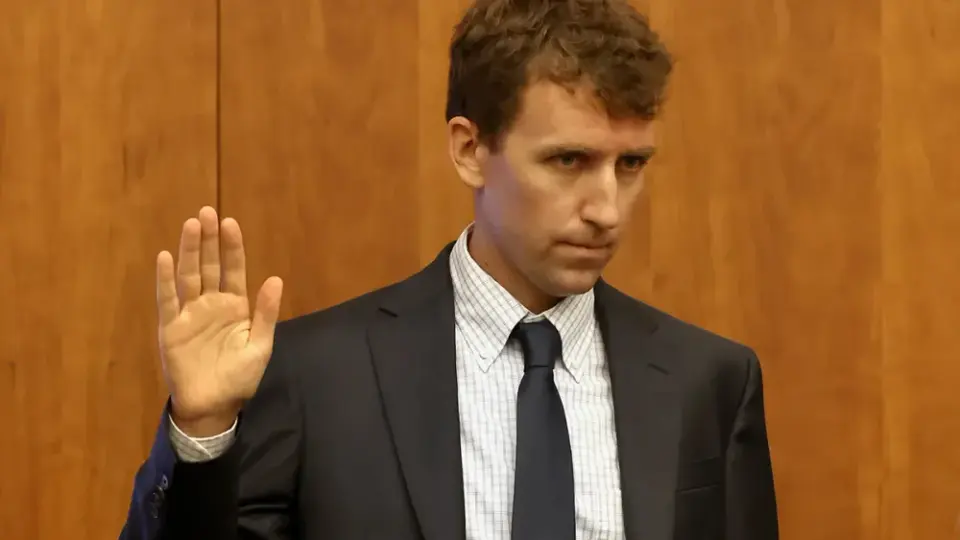
The trial of Lindsay Clancy, who admitted to strangling her three children in January 2023, has evolved into a national media spectacle. While the legal proceedings focus on her mental state at the time of the killings, online communities have fixated on her ex-husband, Patrick Clancy, as the culprit. This 'forensic fandom' has generated widespread conspiracy theories and harassment, despite a lack of evidence linking Patrick to the crimes. Experts note that social media algorithms amplify these narratives, creating a parallel 'social media trial' that often contradicts the established facts presented in court.
Key points
- Lindsay Clancy, 36, is on trial for killing her three children; her defense argues she suffered from postpartum psychosis and overprescription of psychiatric medications.
- Jurors are currently deliberating whether Clancy should serve time in prison or a state psychiatric facility, based solely on courtroom evidence.
- Online sleuths and influencers, including Lisa Rinna, have promoted theories that Patrick Clancy committed the murders, despite no legal evidence supporting this claim.
- Boston University professor Kathryn Coduto describes the phenomenon as 'forensic fandom,' where users seek to participate in solving real-life cases, often prioritizing narrative coherence over factual accuracy.
- Social media platforms like TikTok amplify conspiracy theories through engagement-driven algorithms, making it difficult for the public to distinguish speculation from fact.
- The case has drawn interest from studios and streamers, with rumors of a documentary being produced, mirroring the commercialization of true crime content.
Background
The Lindsay Clancy case has become the latest in a series of high-profile true crime events that dominate social media discourse, following cases like the Karen Read trial and the Idaho college murders. Historically, public fascination with criminal trials dates back to the 1892 Lizzie Borden trial, but the advent of social media has transformed passive viewing into active, real-time speculation. This shift has led to increased harassment of individuals falsely accused online, as seen in the 2026 lawsuit against influencer Ashley Guillard for defaming a University of Idaho professor. The current trial highlights the tension between legal proceedings and the 'social media trial,' where public opinion is shaped by viral content rather than judicial evidence.
How outlets are covering it
Variety emphasizes the absurdity of online theories targeting Patrick Clancy, noting that Lindsay Clancy’s own lawyer has confirmed she committed the killings. NBC News frames the trial as a cultural fixation that divides spectators, highlighting the national attention and support for the defendant outside the courthouse. CBS News focuses on the 'forensic fandom' phenomenon, explaining how users feel a need to participate in finding justice, often mistaking speculation for evidence. The Guardian highlights the role of TikTok algorithms in amplifying conspiracy theories and notes the defense’s attempt to leverage social media content in court. All sources agree that the case is not a 'whodunit' but rather a debate over mental state, yet they differ in their emphasis: Variety and The Guardian critique the misinformation, while NBC and CBS provide a more neutral analysis of the media landscape and public engagement.
Why it matters
The Lindsay Clancy trial illustrates the growing influence of social media on public perception of legal cases, where viral narratives can overshadow factual evidence. This phenomenon, known as 'forensic fandom,' can lead to real-world consequences, including harassment of innocent individuals and the spread of misinformation. As true crime content becomes more commercialized, the line between entertainment and justice blurs, raising concerns about the integrity of legal proceedings and the potential for public opinion to be shaped by algorithmic amplification rather than judicial process.
What to watch
Jurors are expected to deliver a verdict soon, determining whether Lindsay Clancy will serve time in prison or a psychiatric facility. Regardless of the outcome, the case is likely to become the subject of documentaries and media adaptations, given the interest from studios and streamers. The ongoing online debate may continue to shape public perception, with potential implications for future high-profile trials and the role of social media in legal proceedings.
- Online Sleuthing Is Out of Control, and the Vitriol Against Patrick Clancy Proves It Variety
- How the Lindsay Clancy trial became a national media spectacle NBC News
- Patrick Clancy lawyer puts influencers, celebrities ‘on notice’ over murder conspiracy claims CT Insider
- Lindsay Clancy murder trial elevates "forensic fandom" phenomenon: "They want to be participants" CBS News
- Social media goes into overdrive with Lindsay Clancy conspiracy theories The Guardian
Want the full story? Read the original reporting
Read on Variety