
CNN’s Peter Bergen Donates 150,000-Page Al-Qaeda Archive to Georgetown
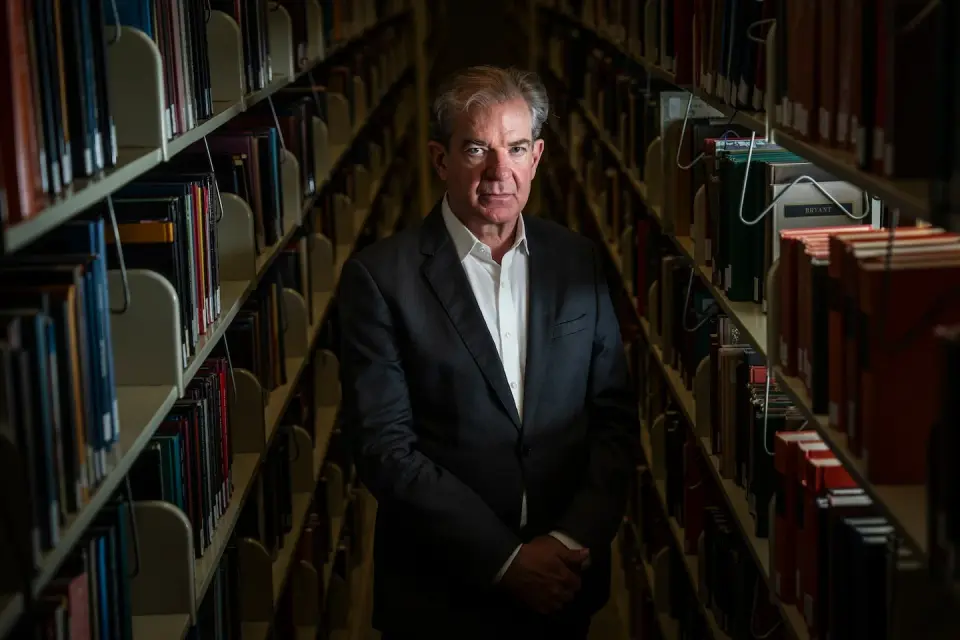
CNN national security correspondent Peter Bergen has donated a massive personal archive of documents related to al-Qaeda to Georgetown University. The collection, comprising over 150,000 pages, was released on the 25th anniversary of the September 11 attacks. Bergen, who produced Osama bin Laden’s first television interview in 1997, aims to preserve historical records for future research.
Key points
- Peter Bergen, a CNN journalist since the 1990s, donated his personal collection to Georgetown University.
- The archive contains more than 150,000 pages of documents detailing the rise of al-Qaeda.
- The donation coincides with the 25th anniversary of the September 11 attacks.
- Bergen previously produced bin Laden’s first TV interview for CNN in 1997.
- The collection includes rare items such as a fatwa by Omar Abdel-Rahman and issues of al-Jihad magazine.
Background
This donation follows a period of heightened tension between the White House and CNN reporters, including public confrontations involving CNN correspondent Kristen Holmes in August 2026. While those incidents focused on press freedom and political attacks, Bergen’s donation highlights the enduring value of long-term journalistic archives in documenting historical events like the war on terror.
Why it matters
The transfer of such a comprehensive primary source to an academic institution ensures that the historical record of al-Qaeda’s development remains accessible to scholars and students. It provides a tangible resource for understanding the origins of modern terrorism and the media’s role in documenting it, independent of current political narratives or news cycles.
What to watch
Georgetown University will likely integrate the 'Peter Bergen Papers' into its library and research collections, making them available for academic study. Researchers may begin analyzing the documents to provide new insights into the history of counterterrorism and the evolution of al-Qaeda.
Want the full story? Read the original reporting
Read on The Washington Post