
WaPo Columnist Demands Prosecution of Source Behind Pentagon Leak on Iran War
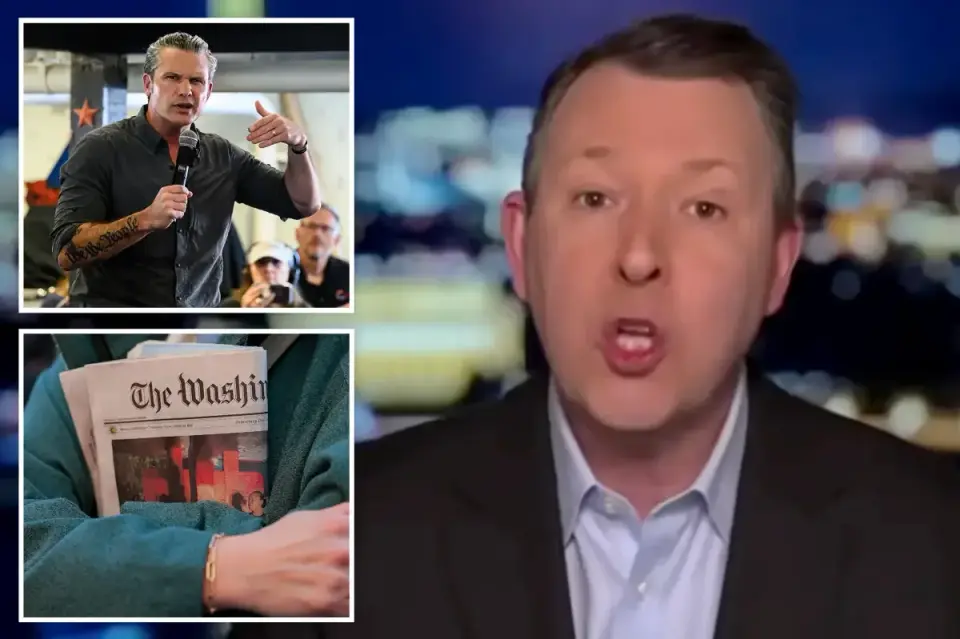
Washington Post columnist Marc Thiessen has called for the prosecution of an anonymous source who leaked classified military assessments to his own newspaper. The leak revealed that top US military leaders warned Defense Secretary Pete Hegseth that prolonged operations against Iran could weaken the US ability to address domestic threats. While Thiessen labeled the leaker a 'traitor,' other WaPo columnists and the Pentagon defended the reporting as standard journalistic practice, highlighting a sharp internal and external conflict over the boundaries of press freedom and national security.
Key points
- Marc Thiessen, a conservative columnist for The Washington Post and Fox News contributor, posted on X that the source of a recent Iran war report 'ought to be prosecuted' and is a 'traitor.'
- The report, published Sunday, cited anonymous sources to reveal that military brass warned Secretary of Defense Pete Hegseth that extended large-scale operations against Iran risk weakening US readiness for other threats.
- The information was allegedly contained in a classified August 14 edition of the Secretary of Defense Orders Book.
- Josh Rogin, another WaPo columnist, responded by citing the newspaper's statement that publishing such information is not a crime and is 'responsible' journalism.
- Thiessen countered that he has consistently opposed government whistleblowers, referencing Edward Snowden and Julian Assange, and clarified that he was targeting the leaker, not the reporters.
- Pentagon spokesman Sean Parnell called the leak a 'betrayal of the force' and a crime, asserting that the published assessments were inaccurate and that the story was motivated by political animosity toward President Trump and Hegseth.
Background
This dispute occurs amid ongoing tensions regarding the US-Iran conflict, which has seen volatile shifts in policy since February 2026, including previous Senate hearings where Hegseth was pressed on the status of Iran's military capabilities. The incident also follows a recent court-ordered reinstatement of a Black columnist at The Washington Post, highlighting broader debates within the publication regarding free expression and editorial independence.
Why it matters
The incident exposes a critical fracture in the relationship between the US military, the executive branch, and the press. It raises legal and ethical questions about the definition of 'leaking' versus 'reporting' classified information, particularly when the source is an internal government official. The public clash between columnists of the same newspaper underscores the deep polarization within mainstream media regarding national security transparency and the limits of journalistic access to sensitive military assessments.
What to watch
The situation may lead to further internal investigations at The Washington Post regarding the source of the leak, as well as potential legal actions by the Department of Defense if the government pursues the claim that the disclosure constitutes a criminal offense. The Pentagon may continue to deny the accuracy of the assessments, while the press is likely to face increased scrutiny regarding the sourcing of classified military documents.
Want the full story? Read the original reporting
Read on nypost.com