
US officials report boat strikes fail to curb cocaine flow
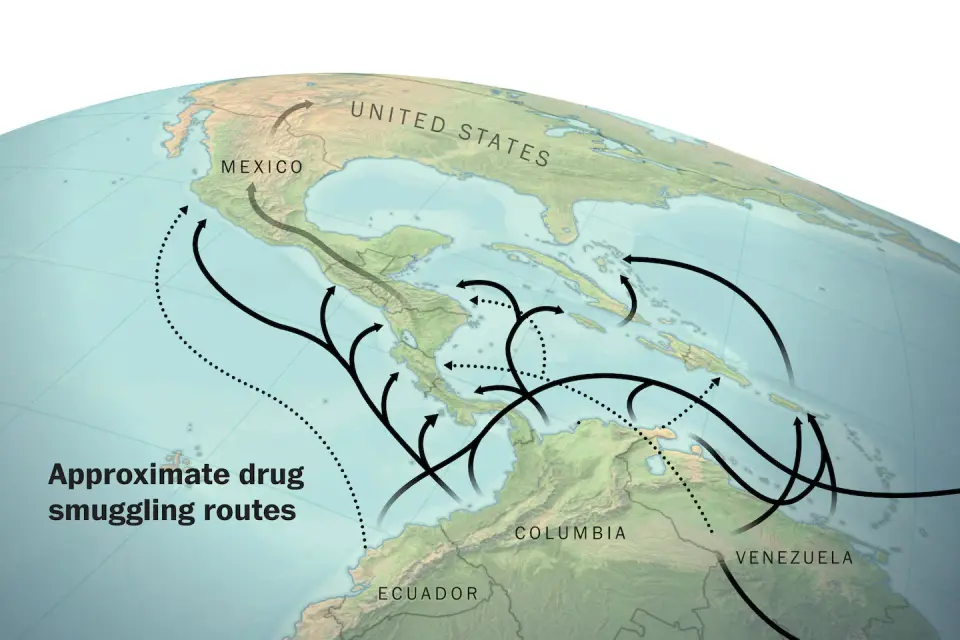
A new assessment indicates that Operation Southern Spear has not reduced cocaine entering the US. While the administration claims success, the DEA and Pentagon analysts report that drug flows remain steady. The strikes have killed 221 people but are forcing cartels to adapt tactics, undermining traditional investigations.
Key points
- The Drug Enforcement Administration (DEA) and Pentagon analysts conclude that military strikes on alleged drug boats have not reduced cocaine entering the United States.
- Operation Southern Spear has resulted in 67 boat strikes and 221 deaths since September 2025, but cocaine seizures at US borders remain high.
- Criminal organizations are adapting to the strikes by using new routes and tactics, which is undermining traditional law enforcement investigative methods.
- The White House claims the operation has virtually ended drug trafficking by sea, a claim contradicted by internal government assessments.
- The campaign has cost approximately $527 million in the first quarter of 2026, with total estimates reaching $5 billion since the buildup began.
Background
Operation Southern Spear began in September 2025 with US military strikes on boats in the Caribbean and Eastern Pacific. The campaign follows a broader shift in US policy toward Latin America, including the January 2026 raid in Caracas, Venezuela, which captured former leader Nicolas Maduro. Previous reporting noted that the administration designated cartels as terrorist organizations to justify military action, a move criticized by legal experts and international partners.
How outlets are covering it
The Washington Post and CNN report that the strikes have failed to reduce cocaine supply, citing DEA assessments and law enforcement skepticism. CNN notes that while sea-borne seizures have dropped, this may be due to cartels shifting to overland routes or container ships rather than a reduction in total supply. Breaking Defense argues that the policy is ineffective and costly, noting that cocaine prices and seizure volumes have not significantly changed. WOLA, a human rights organization, characterizes the strikes as extrajudicial executions that violate US and international law, arguing they are a poor drug policy that ignores the complex nature of organized crime. The Trump administration and Southern Command maintain that the operation is necessary to dismantle cartels and prevent violence from reaching US shores.
Why it matters
The failure of Operation Southern Spear to reduce drug supply suggests that military force alone cannot solve complex transnational crime issues. The high cost and lack of results may strain US military resources and diplomatic relations with Latin American partners. Additionally, the legal and ethical questions surrounding the strikes could have long-term implications for US foreign policy and international law.
What to watch
The US government may continue the strikes or adjust tactics based on the DEA's assessment. Congress may seek further clarification on the operation's objectives and effectiveness. International partners may continue to limit intelligence sharing to avoid liability for wrongful deaths. The administration may face pressure to justify the cost and legality of the campaign as the 2027 defense budget is debated.
- 67 boat strikes. 221 dead. The cocaine hasn’t slowed, officials report. The Washington Post
- The US military hasn’t blown up an alleged drug boat in a month. Has the campaign worked? CNN
- Killing Spree: Extrajudicial executions in the U.S. boat strikes campaign Washington Office on Latin America | WOLA
- The US military campaign to stop drug trafficking has failed. It’s time to move on. Breaking Defense
- US pauses Southern Spear strikes, experts warn of limited impact Межа. Новини України.
Want the full story? Read the original reporting
Read on The Washington Post