
Pentagon Urges Industry to Accelerate Production as Iran War Depletes U.S. Missile Stockpiles
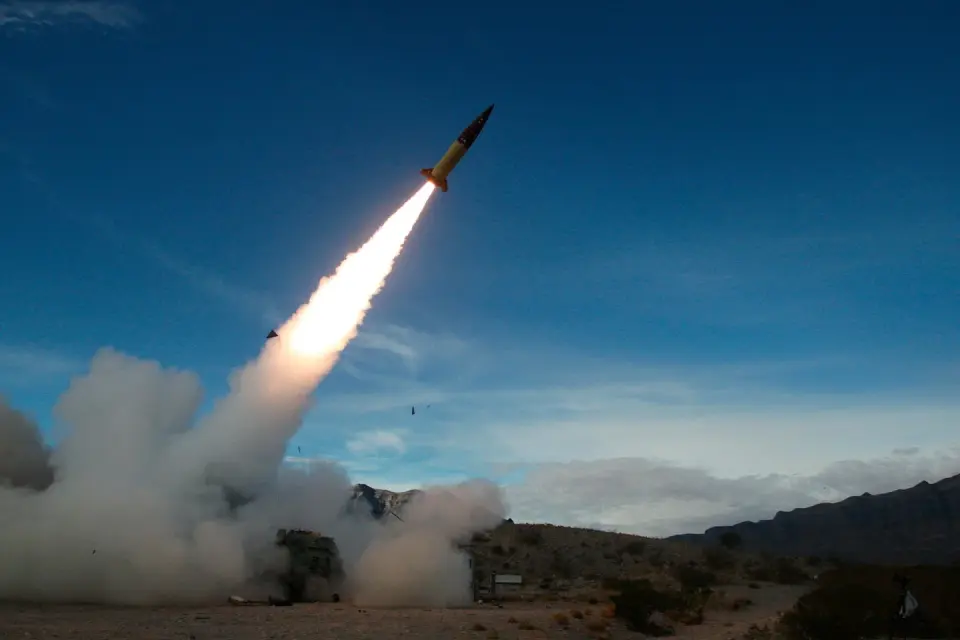
The Pentagon has directed U.S. defense contractors to rapidly increase weapon production after the war with Iran severely depleted critical missile stockpiles. Deputy Defense Secretary Steve Feinberg issued a memo urging faster delivery schedules, as the U.S. has used nearly all its long-range precision missiles and faces a multi-year gap in replenishing interceptor supplies.
Key points
- Deputy Defense Secretary Steve Feinberg sent a memo to the defense industry demanding accelerated production and delivery of weapons, particularly those in extreme shortage due to the Iran conflict.
- Sources indicate the U.S. has used virtually all of its Army Tactical Missile Systems (ATACMS) and Precision Strike Missiles during the war, leaving stockpiles at roughly 20% of desired levels.
- Interceptor stocks are critically low; the U.S. has dropped from 2,330 Patriot interceptors to between 759 and 827, and from 452 THAAD interceptors to between 234 and 278, with full replenishment not expected until at least 2029 or 2030.
- Defense Secretary Pete Hegseth has publicly dismissed concerns about the shortage, calling them a 'manufactured story,' while simultaneously pleading with Republicans in Congress for billions in funding to replenish arsenals.
- The Pentagon has awarded tens of billions in contracts to boost production, but industry capacity cannot meet current demand in the short term, forcing military planners to make split-second decisions on whether to expend limited interceptors.
Background
This development follows months of congressional debate over Iran war funding, with the Pentagon lobbying for a multi-billion-dollar package in July. Earlier reports noted that the conflict has cost taxpayers approximately $130 billion, with $21 billion spent on munitions. Additionally, Joint Chiefs Chairman Dan Caine has reportedly sought an exit strategy from the war, citing concerns that continued bombing may not secure a ceasefire, even as President Trump threatened to resume large-scale attacks if U.S. terms are not met.
How outlets are covering it
The Washington Post highlights the Pentagon’s direct pressure on industry to accelerate production, framing it as a response to a critical shortage. CBS News emphasizes the severity of the depletion, noting that the U.S. has used nearly all its long-range precision missiles and that interceptor stocks are dwindling faster than the industry can replace them. The Atlantic provides a broader strategic analysis, arguing that the U.S. has squandered its strategic advantage, with stockpiles so low that they cannot effectively defend against threats in Asia or support Ukraine. While the Pentagon and Defense Secretary Pete Hegseth dismiss the shortage as a 'manufactured story,' The Atlantic and CBS News cite defense officials and reports from the Center for Strategic and International Studies to underscore the reality of the crisis. The outlets differ in their focus: The Post and CBS News concentrate on the immediate production and stockpile issues, while The Atlantic frames the shortage as a long-term strategic failure exacerbated by industrial capacity limits and partisan politics.
Why it matters
The depletion of U.S. missile stockpiles due to the Iran war has significant implications for national security and global stability. It limits the U.S. ability to respond to threats in other regions, such as Asia, and undermines its support for allies like Ukraine. The shortage also highlights the fragility of the U.S. defense industrial base and the challenges of sustaining prolonged conflicts. As the U.S. faces a multi-year gap in replenishing critical munitions, the situation could influence diplomatic negotiations with Iran and shape future defense policy and budget allocations.
What to watch
The Pentagon is expected to continue pressing defense contractors to accelerate production, while Congress debates additional funding to replenish stockpiles. The U.S. may face difficult decisions on the use of limited interceptors in the coming months, and the situation could influence diplomatic efforts to end the war with Iran. Long-term, the U.S. may need to rethink its defense industrial strategy to ensure it can sustain future conflicts without depleting critical stockpiles.
- Pentagon presses defense firms to build weapons as Iran war depletes stocks The Washington Post
- The U.S. Is Burning Through Weapons in Iran. Russia and China Are Taking Note. The New York Times
- U.S. has used nearly all its stockpile of long-range missiles in Iran war, sources say CBS News
- How the U.S. Squandered Its Strategic Advantage The Atlantic
- Trump Orders Leak Probe After Venting About Media Coverage of Munitions Stockpile WSJ
Want the full story? Read the original reporting
Read on The Washington Post