
Minority Grocers Sue to Block Mamdani’s City-Run Grocery Plan
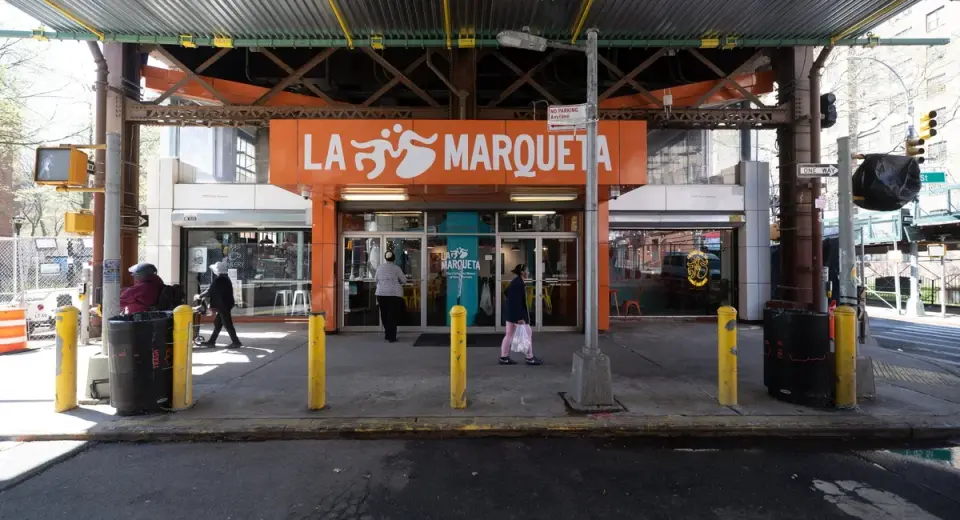
A coalition of minority-owned business owners has filed a class-action lawsuit against the New York City administration, alleging that Mayor Zohran Mamdani’s plan to open five city-owned grocery stores will discriminate against and bankrupt independent retailers. The lawsuit, filed in New York State Supreme Court, argues that the municipal stores, which will offer staple items at 30% lower prices, exceed the city’s legal authority and unfairly siphon customers from immigrant-owned bodegas and supermarkets. While the administration maintains the plan is legal and necessary to combat rising food costs, critics contend the city failed to conduct a proper impact analysis and is effectively subsidizing a competitor that does not face the same operational burdens as private businesses.
Key points
- The Multicultural Business Coalition filed a class-action suit on August 24, 2026, claiming the city’s grocery plan violates civil rights by harming minority-owned businesses.
- Mayor Mamdani’s initiative aims to open five city-owned stores, one in each borough, with the first location opening in the Bronx next year and others by 2030.
- The city plans to offer staple foods at 30% below market rates, which officials estimate could reduce the average New Yorker’s grocery bill by approximately $90 per month.
- Plaintiffs argue the city selected store locations arbitrarily and failed to analyze the impact on existing local businesses, particularly Hispanic- and Korean-owned supermarkets near the planned East Harlem site.
- The administration has allocated $70 million for the program and is seeking private operators to manage the stores, which will not sell cigarettes, prepared foods, or lottery tickets.
Background
This legal challenge is the latest in a series of controversies surrounding Mamdani’s affordability agenda. Earlier in August, the city faced lawsuits regarding a pied-à-terre tax and a rent freeze. Previous analyses from Vox and local business leaders have criticized the grocery plan as fiscally inefficient, arguing that five subsidized stores cannot meaningfully lower citywide prices and may divert funds from direct food assistance. Critics have also noted that the plan’s model, which includes tax and rent exemptions for operators, creates an uneven playing field compared to private retailers who must cover all operational costs.
How outlets are covering it
Gothamist and CNN both report on the lawsuit but emphasize different aspects of the conflict. Gothamist focuses on the specific demographic impact, highlighting the historical role of Puerto Rican, Dominican, and Korean immigrants in NYC’s grocery landscape and quoting Jairo Guzman of the NY State Mexican Chamber of Commerce. CNN provides broader context on the legal and economic arguments, noting that the lawsuit is the third major legal challenge to Mamdani’s affordability policies. CNN also details the plaintiffs' argument that the city-run stores are analogous to a 'Walmart' that does not pay rent or full product costs, a point not explicitly detailed in the Gothamist report. Both outlets agree that the administration is confident in the plan's legality, with Mamdani citing existing city-subsidized markets like Essex Street Market as proof that the new stores will not harm nearby businesses.
Why it matters
The outcome of this lawsuit could determine the future of municipal retail in New York City and set a precedent for how cities can intervene in private markets to address affordability. If the court blocks the plan, it may force the city to rely on alternative methods, such as cash transfers or regulatory changes, to address food insecurity. Conversely, if the plan proceeds, it could reshape the competitive landscape for small business owners, potentially leading to a consolidation of grocery retail under city oversight and altering the economic viability of traditional neighborhood bodegas.
What to watch
The case will proceed in New York State Supreme Court, where a judge will decide whether to issue an injunction against the city’s grocery plan. The first store is scheduled to open in the Bronx in 2027, with the remaining four locations opening by 2030. The city is currently accepting proposals from external operators to run the stores, and the administration is expected to defend the legality of the program in court while continuing to seek regulatory changes to help existing bodega owners.
- Mamdani’s plan for cheaper groceries could hurt minority grocers, lawsuit says Gothamist
- New York City minority business owners sue Mamdani in bid to stop city-run grocery store plan CNN
- Local Business Group Sues Over Mamdani’s Plan to Open Municipal Grocery Stores WSJ
- Group of supermarkets, bodegas, suing NYC over mayor's city-run grocery store plan ABC7 New York
- Big Apple targeted in lawsuits over Mamdani's government grocery store plans Fox Business
Want the full story? Read the original reporting
Read on Gothamist